

Meet the Contenders: An Overview
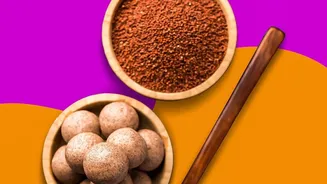
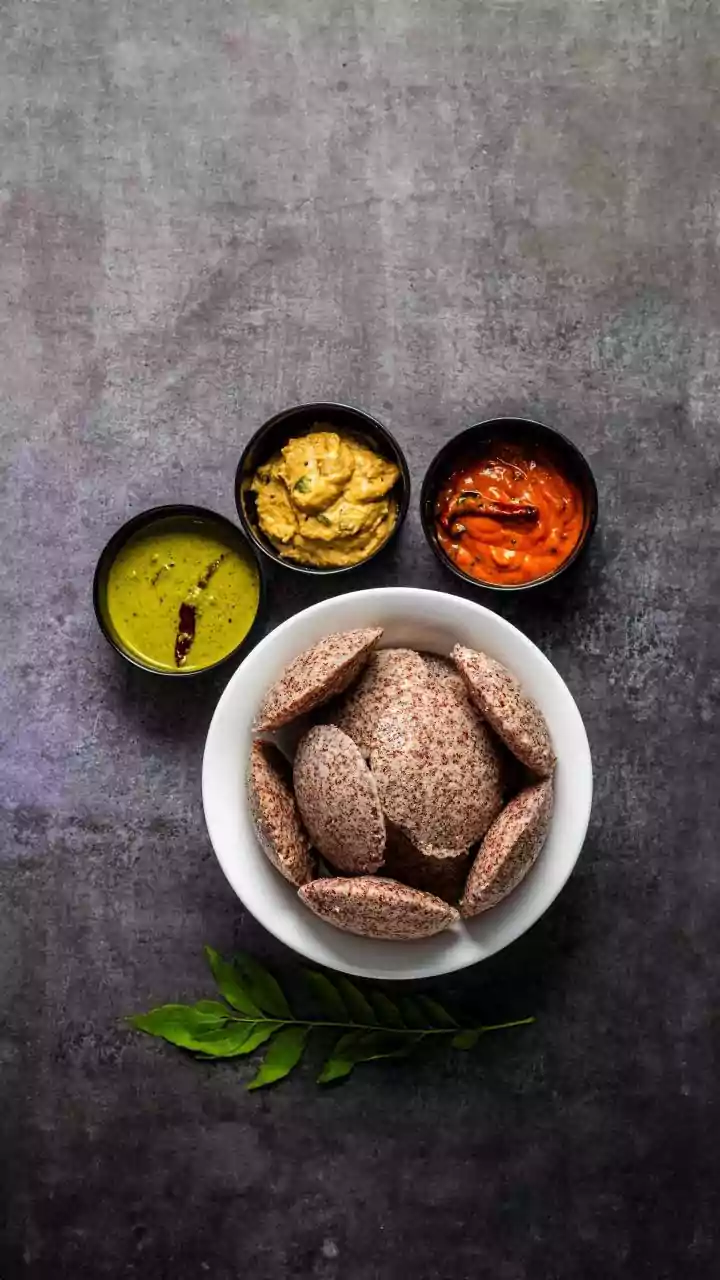
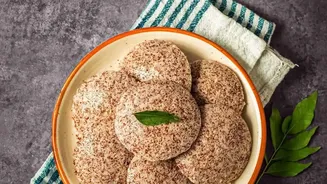
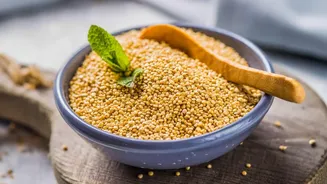
Ragi, also known as finger millet, is an ancient grain that has been a staple in parts of India and Africa for centuries. Recognised for its resilience in harsh growing conditions, this reddish-brown millet has a mild, nutty flavour and is a cornerstone
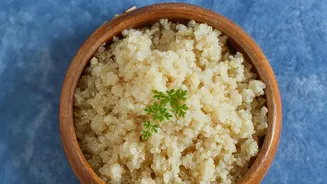
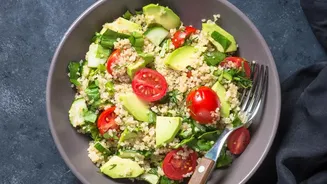
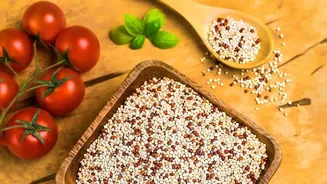
of South Indian cuisine, used in everything from rotis and dosas to porridge. On the other side is quinoa, a seed from South America often consumed as a grain. Dubbed 'the mother of all grains' by the Incas, quinoa's popularity has exploded globally, earning it superfood status for its impressive nutritional profile. Both are celebrated for being gluten-free and packed with health benefits, but they have distinct strengths.
The Protein Power Play
When it comes to protein, quinoa takes a clear lead. It is one of the few plant-based foods considered a 'complete protein', meaning it contains all nine essential amino acids that the body cannot produce on its own. Uncooked quinoa contains approximately 13-14 grams of protein per 100g serving. Ragi, while still a good source, provides about 7-10 grams of protein for the same amount and is not a complete protein. For those focused on muscle repair and maximising protein intake, quinoa has the edge. However, the protein gap is often bridged in traditional Indian meals, where millets are paired with dals or curd to create a complete amino acid profile.
The Unbeatable Calcium Champion
While quinoa wins on protein, ragi is the undisputed champion of calcium. Ragi contains a remarkable 344-364 mg of calcium per 100g. This is significantly higher than quinoa, which offers around 47-198 mg of calcium per 100g, depending on the data source. For context, ragi delivers several times more calcium than milk. This makes ragi an exceptional choice for bone health, helping to prevent osteoporosis, and is particularly beneficial for children and older adults. If strengthening your bones is a priority, ragi is the superior grain.
Fibre and Digestive Health
Both grains are excellent sources of dietary fibre, which is crucial for good digestion, gut health, and feeling full for longer. Depending on the analysis, the fibre content is comparable, with some sources stating ragi has more and others giving quinoa a slight edge. Some data indicates ragi has around 11g of fibre per 100g, while quinoa has about 7g. Conversely, another analysis shows quinoa at 14.7g and ragi at 11.2g. Regardless of the exact numbers, both are high-fibre foods that aid digestion and can help with weight management by promoting satiety.
A Look at Other Key Minerals
Beyond the headline nutrients, the mineral content varies. Quinoa generally contains more iron, zinc, potassium, and folate. One analysis reports that quinoa provides 7.51 mg of iron per 100g compared to ragi's 4.62 mg. However, ragi is a richer source of magnesium and selenium. Ragi's iron content is still significant and helps in combating anaemia. The choice here depends on specific dietary needs; if you're looking to boost iron and folate, quinoa may be better, but for magnesium, ragi holds its own.
Glycemic Index and Blood Sugar Control
For individuals managing blood sugar levels, the glycemic index (GI) is a critical factor. Both grains are good choices. Quinoa has a low GI, typically around 53, which means it causes a slower, more gradual rise in blood sugar. This is due to its protein and fibre content slowing digestion. Ragi has a low-to-moderate GI, ranging from 54 to 68 depending on its form and preparation. While slightly higher than quinoa's, ragi's GI is still favourable compared to refined grains, making it a safe and beneficial food for people with diabetes.