



A Dual-Purpose Solution
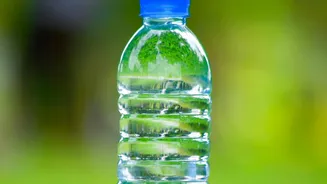
Every year, millions of tonnes of polyethylene terephthalate (PET) plastic, the kind used for drink bottles, end up in landfills and oceans, posing a persistent environmental threat. At the same time, finding sustainable food sources is a growing global
concern. A team of researchers at Southern Illinois University (SIU) decided to tackle both problems at once, asking a simple question: since plastic is made of carbon, and food is made of carbon, could one be turned into the other? Their project, which recently presented findings at the American Chemical Society's Fall 2026 meeting, demonstrates a novel way to upcycle plastic waste into valuable food components.
Step One: A Chemical Breakdown
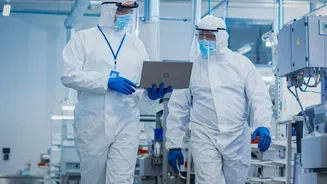
You can’t just feed a plastic bottle to yeast. The first step in the process involves physically and chemically dismantling the tough plastic polymer. The SIU team uses a method called oxidative hydrothermal dissolution, developed by geology professor Ken Anderson. This technique uses water and oxygen at high temperatures and pressures to break down not only the PET plastic but also agricultural waste like corn stalks and leaves. This essentially creates a liquid mixture of smaller, water-soluble carbon compounds that microorganisms can access and digest, something they could never do with an intact plastic bottle.
Step Two: The Microbial Chefs
This is where the engineered yeast comes in. The carbon-rich liquid from the first step becomes a feedstock for several different strains of genetically programmed yeast, including common baker's yeast. Think of it as a buffet for microbes, where each is designed for a specific task. Some yeast strains are programmed to convert the available carbon into single-cell protein. Another strain is engineered to produce beta-carotene, which the human body converts into Vitamin A. A third has been modified to create vanillin, the molecule responsible for vanilla flavoring. By using a consortium of these microbial workers, the scientists can produce a whole range of useful food ingredients from the initial waste materials.
From Lab Bench to Cookie Sheet
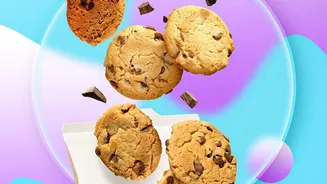
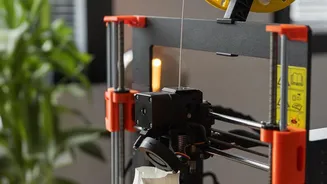
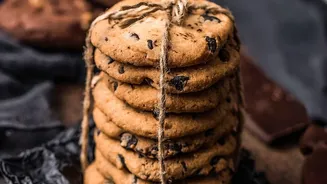
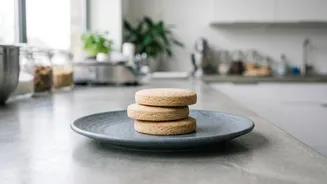
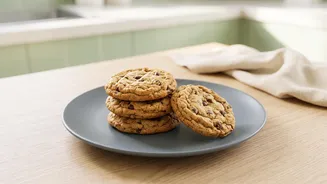
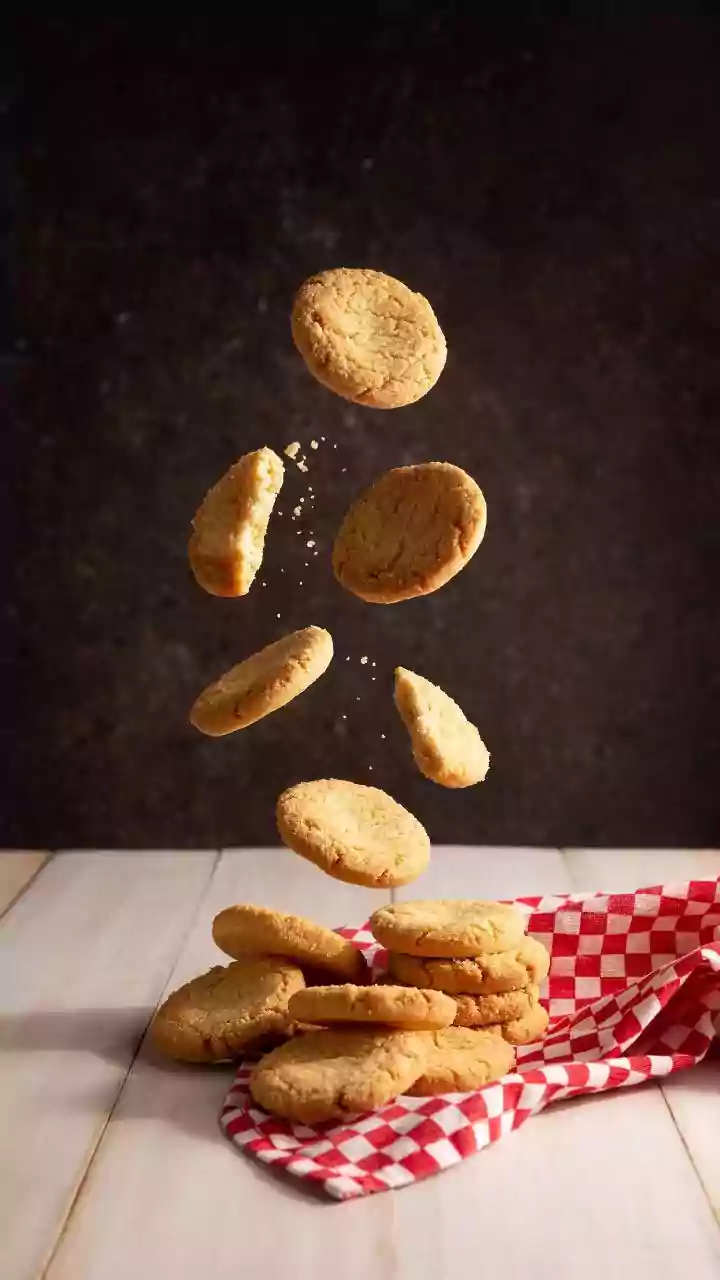
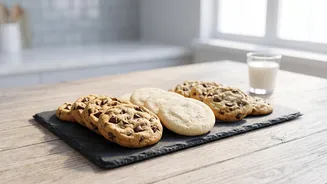
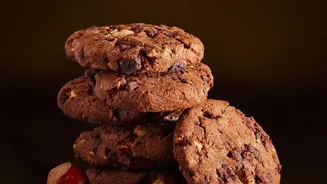
To prove their concept, the team has already created a food prototype: a 3D-printed cookie they call a "µBite" (pronounced "micro-bite"). The main ingredient is the protein-rich biomass harvested from the yeast itself. This is then mixed with other ingredients like fiber and sweeteners before being extruded by a 3D printer into a cookie shape. The researchers are continuing to work on improving the flavor, aroma, and nutritional profile of their creation. While still a demonstration, the µBite offers a tangible glimpse into a future where waste materials could become a foundation for creating nutrient-dense foods, with potential applications in everything from disaster relief to long-duration space missions for NASA.
But Is It Really Safe to Eat?
The idea of eating something derived from plastic waste naturally raises safety concerns. However, it's crucial to understand that the process is not about grinding up plastic and adding it to food. It's a complete chemical transformation. The yeast consumes the basic carbon building blocks of the broken-down plastic and uses its own metabolic processes to build entirely new molecules—like proteins and vitamins. The resulting vanillin, for example, is chemically identical to the vanillin derived from a vanilla bean or the synthetic version made from fossil fuels, which accounts for the vast majority of vanillin used today. While the food products from this specific process will still require rigorous testing and regulatory approval before they can be consumed, the fundamental science is an extension of biotechnologies already used to safely produce things like insulin with engineered yeast.