


The Ancient Grain in the Spotlight
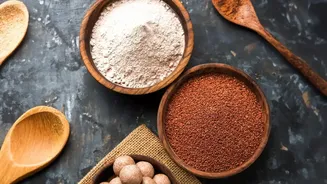
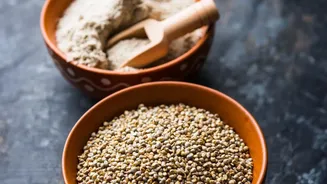
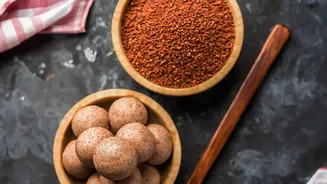
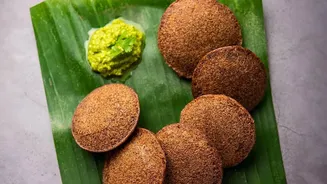
Ragi, also known as finger millet, is a humble yet mighty cereal crop that has been a staple in parts of India and Africa for centuries. Known scientifically as Eleusine coracana, this small grain is renowned for its resilience, able to grow in tough
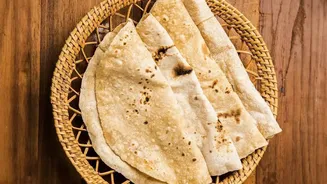
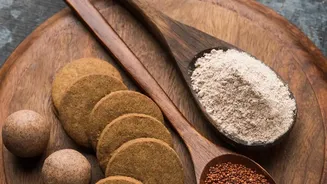
climates where other crops might fail. Traditionally, it has been used to make everything from porridge (ragi kanji) and flatbreads (ragi roti) to the dense, dough-like balls called ragi mudde in Karnataka. Because the grain is too small to be polished, it is typically consumed in its whole, unprocessed form, retaining all its natural goodness. This has made it a long-trusted food, especially for infants and new mothers.
A Nutritional Powerhouse
The reason ragi is gaining popularity in modern health-conscious kitchens is its impressive nutritional profile. It is naturally gluten-free, making it an excellent choice for those with celiac disease or gluten sensitivity. Furthermore, it is a fantastic plant-based source of calcium, crucial for bone health, with about 350 milligrams of calcium per 100-gram serving. Ragi is also rich in iron, which helps combat anaemia, and high in dietary fibre. This high fibre content promotes a feeling of fullness, aiding in weight management, and helps in the slow release of sugar into the bloodstream, making it beneficial for managing blood sugar levels.
Why Ragi Works Wonders in Desserts
While it's a staple in savoury dishes, ragi's unique flavour profile makes it a surprisingly brilliant ingredient for desserts. The flour has a distinct earthy and slightly nutty taste that pairs wonderfully with rich, bold flavours like chocolate, jaggery, and coffee. It also complements the sweetness of bananas. When used in baking, ragi flour can create a wonderfully dense and fudgy texture, perfect for brownies and rich cakes. Swapping out a portion of refined all-purpose flour for ragi flour not only adds a complex flavour dimension but also significantly boosts the nutritional value of your favourite treats, turning an indulgence into something more wholesome.
Recipe: Fudgy Ragi Chocolate Brownies
Ready to give it a try? This simple recipe for eggless ragi brownies yields a dense, fudgy, and intensely chocolatey treat. Ingredients: ½ cup Ragi Flour 2 tbsp Unsweetened Cocoa Powder ¼ cup Jaggery Powder (or brown sugar) ¼ cup Plain Yogurt (Curd) 2 tbsp Oil ¼ tsp Baking Soda ¼ tsp Vanilla Essence 2 tbsp Chocolate Chips Instructions: 1. Preheat your oven to 180°C and line a 6-inch square baking tin with parchment paper. 2. In a mixing bowl, whisk together the yogurt, powdered jaggery, oil, and vanilla essence until the mixture is smooth and glossy. 3. Place a sieve over the bowl and add the dry ingredients: ragi flour, cocoa powder, and baking soda. Sift them into the wet mixture. 4. Gently fold the dry ingredients into the wet using a spatula until just combined. Be careful not to overmix; the batter should be thick, almost like a paste, for a fudgy result. 5. Fold in half of the chocolate chips. 6. Pour the batter into your prepared baking tin, spreading it evenly. Sprinkle the remaining chocolate chips on top. 7. Bake for 20-25 minutes, or until a toothpick inserted into the center comes out with moist crumbs attached, but not wet batter. 8. Let the brownies cool in the tin before slicing and serving. They taste even better slightly warm.
Tips for Baking with Ragi
Working with ragi flour can be a little different from using regular wheat flour. Here are a few tips to ensure success. First, ensure your ragi flour is fresh, as it can go rancid relatively quickly due to its natural oils; storing it in the freezer can help prolong its life. Since ragi flour is gluten-free, it doesn't create the same elastic structure as wheat flour. That's why it often works best in recipes that are meant to be dense and moist, like brownies, muffins, or certain cakes, rather than light and airy breads. When substituting, you can start by replacing 25-50% of the all-purpose flour in a recipe with ragi flour to get accustomed to its taste and texture.