





The Allure and the Challenge
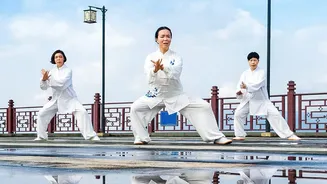
Tai Chi, often called 'meditation in motion', is a centuries-old practice known for its profound benefits, especially for improving balance, reducing stress, and enhancing mobility. Its slow, deliberate movements are designed to build strength and stability.
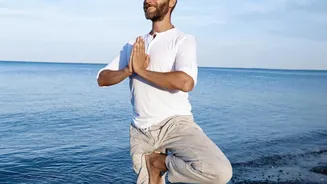
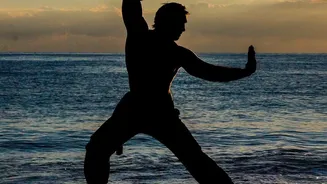
Taking this practice outdoors, particularly to a beach, amplifies the mental health benefits by combining exercise with the calming effects of nature. Studies show that exercising in natural environments can improve mood and reduce stress more effectively than indoor workouts. The beach, however, presents a distinct hurdle: the ground beneath you is not solid. While a firm floor provides predictable feedback, sand is an unstable surface that constantly shifts, forcing your body to work much harder to maintain equilibrium.
Why Sand Is a Balance Game-Changer
When you perform Tai Chi on a solid surface, your feet and ankles have a stable base. On sand, this foundation is compromised. Every time you shift your weight, your feet sink slightly, and the sand moves. This instability forces the small, stabilizing muscles in your feet, ankles, legs, and core to work overtime. This process enhances proprioception—your body's ability to sense its own position, movement, and balance. While this can be an excellent way to build strength and improve your balance in the long run, it can be frustrating and even risky for the unprepared. The very movements that feel graceful and controlled on a flat floor can suddenly feel wobbly and uncertain.
Tips for Finding Your Footing
Instead of avoiding the beach, you can adapt your practice to master the sand. Start by choosing your spot wisely. The wet, compact sand near the water's edge is firmer and provides a more stable surface, making it ideal for beginners. As you gain confidence, you can gradually move to the softer, looser sand, which offers a greater challenge. Before you begin, take a moment to simply stand and feel the sand beneath your feet. Shift your weight gently from side to side and from your heels to your toes to get accustomed to the sensation. When you start your forms, adopt a slightly wider and lower stance than you normally would. This creates a more stable base, lowering your centre of gravity and making it easier to balance.
Adapting Your Tai Chi Form
You don't need to change the essence of your practice, but small modifications can make a big difference. Focus on your core engagement; a strong and stable core is crucial for maintaining balance on any surface, but especially on sand. Slow your movements down even more than usual. The temptation might be to rush through wobbly parts, but slowing down gives your body more time to adjust and find its stability. Reduce the height of your kicks and the depth of your stances initially. As your body adapts, you can gradually return to your full range of motion. Most importantly, keep your 'standing' leg slightly bent and active—never lock the knee. This allows for micro-adjustments to help you stay upright.
The Ultimate Physical and Mental Reward
While it requires patience and adjustment, practicing Tai Chi on the beach offers immense rewards. The increased muscular effort required to stabilize yourself on the sand means you get a more intense lower-body and core workout, strengthening the muscles that prevent falls and improve posture. The enhanced proprioceptive training can significantly improve your balance and coordination in all aspects of your life. Beyond the physical, the mental benefits are undeniable. The combination of focused movement, rhythmic breathing, and the soothing environment of the sea creates a deeply meditative and restorative experience. The challenge of the sand forces you to be more present and in tune with your body, turning your practice into a true mind-body dialogue.