



A Sudden Drop Over Asia
Passengers on Air India flight AI2379 were cruising at altitude when the aircraft suddenly encountered a pocket of severe clear-air turbulence. The plane reportedly experienced a rapid altitude deviation, causing a terrifying jolt that threw unsecured
passengers and crew members around the cabin. In the chaotic moments that followed, those who were not buckled in were violently tossed, with some hitting the ceiling. The flight landed safely in Delhi, but not before 17 people—13 passengers and four crew members—sustained injuries requiring hospital evaluation. Passenger accounts describe a frightening few seconds that served as a dramatic illustration of why cabin safety rules exist.
Understanding In-Flight Bumps
Turbulence is one of the most misunderstood aspects of flying. It is not a sign that the plane is in danger of crashing. Modern aircraft are engineered to withstand incredible stress, far more than any turbulence can typically exert. The phenomenon is simply the movement of air, caused by factors like atmospheric pressure, jet streams, or weather systems. What happened on the Air India flight was a case of Clear-Air Turbulence (CAT), which is particularly hazardous because it is invisible to radar and can occur in cloudless skies without warning. Pilots do their best to avoid it using forecasts and reports from other aircraft, but CAT can still be completely unexpected.
The Golden Rule: Keep Your Seatbelt On
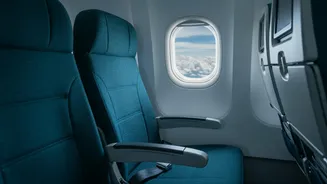
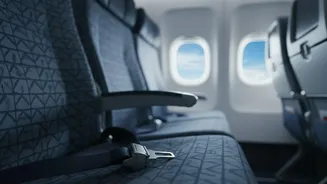
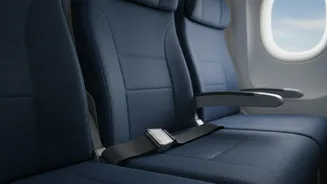
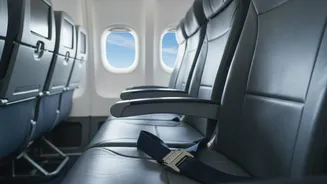
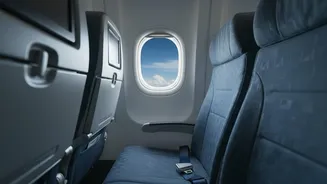
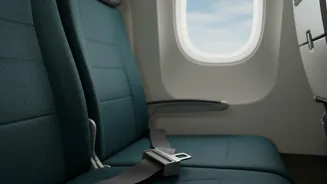
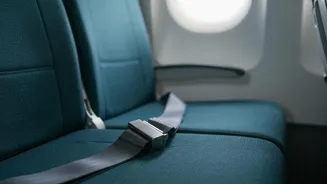
The vast majority of turbulence-related injuries are preventable and share a common theme: the person was not wearing a seatbelt. The Federal Aviation Administration (FAA) reports that in-flight turbulence is the leading cause of nonfatal injuries on commercial flights. When a plane hits a sudden pocket of turbulence, the primary risk isn't to the aircraft itself, but to the people inside. An unsecured body can become a projectile, leading to head injuries, broken bones, and spinal trauma. Aviation safety experts agree that the single most effective way to protect yourself is to keep your seatbelt fastened whenever you are seated, even if the sign is off. A sudden jolt can happen at any time, and a fastened seatbelt is your best defence.
Beyond the Belt: Other Simple Precautions
While fastening your seatbelt is paramount, other simple habits can significantly enhance your safety. First, ensure all your carry-on luggage is securely stowed. An item that falls from an overhead bin during turbulence can cause serious injury. Be mindful of hot beverages; it is wise to put them away if the flight gets bumpy. Pay attention to the pre-flight safety briefing. Knowing where the exits are and how to use the safety equipment is part of being a responsible passenger. For those traveling with small children, using an approved child restraint system is the safest option, offering much more protection than holding a child on your lap.
Trust the Professionals in the Cabin
Flight attendants are highly trained safety professionals. Their primary role is not just service but to ensure the well-being of everyone on board. They are often the most likely to be injured during turbulence because their duties require them to be on their feet. Following their instructions immediately is critical. When the seatbelt sign comes on, it may be because pilots have received a report of turbulence ahead, even if the air feels smooth at that moment. If a crew member instructs you to return to your seat and buckle up, do so without delay. Their guidance is based on professional training and real-time information from the cockpit.