







It’s a question that can define your morning: black or with milk and sugar? On International Coffee Day, we explore why this simple choice is more than just a preference—it’s a statement that divides coffee lovers across the globe.
A Tale of Two Coffees
In one corner, you have
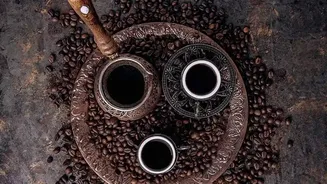
the purists. For them, coffee is best enjoyed black, allowing the complex notes of the bean—be it fruity, nutty, or earthy—to shine through. They might discuss roast profiles and brewing methods with the passion of a wine sommelier. In the other corner, you have those who prefer their coffee softened and sweetened. A splash of milk, a spoonful of sugar, or a swirl of creamy foam turns a potentially bitter brew into a comforting, enjoyable drink. This isn't just a matter of taste; it’s a cultural phenomenon that pits the black coffee advocate against the latte lover in a friendly, yet firm, divide. The debate is often steeped in a touch of snobbery, with purists sometimes viewing additives as a way to mask the ‘true’ flavour of a meticulously sourced and brewed cup.
A History Steeped in Sweetness
Drinking coffee black wasn't always the default. When coffee first spread from the Middle East to Europe in the 16th and 17th centuries, it was often a bitter, potent brew. To make it more palatable to European tastes, which were more accustomed to tea, people began adding sweeteners. The practice of adding milk is believed to have been started in the 1660s by a Dutch ambassador in China, who was inspired by the Manchu tradition of adding milk to tea. The trend caught on, and soon, coffee houses across Europe were serving coffee with milk and sugar. These additions weren't just about taste; sugar was once an expensive status symbol, and adding it to your cup was a sign of wealth. The milky, sweet coffee we know today became an everyday beverage only after industrialisation made dairy and sugar widely accessible.
The Science of Your Sip
Your preference for black coffee might actually be in your genes. Recent studies suggest that people with a genetic variant that allows for faster caffeine metabolism often prefer black coffee. It’s not that they enjoy the bitter taste more, but that they learn to associate bitterness with the stimulating effect of caffeine they crave. For others, the aversion to bitterness is very real. Milk and sugar do an excellent job of masking it. The fat in milk can soften coffee's bitterness and mellow its acidity, while sugar, of course, provides sweetness. This makes the drink more balanced and enjoyable for a wider range of palates. And while some worry that adding milk negates coffee’s health benefits, research suggests this is largely a myth; antioxidants are still absorbed, though adding heaps of sugar can counteract some of coffee's positive effects.
The Indian Coffee Scene
In India, coffee culture is a fascinating mix of the traditional and the modern. Southern India has a long-standing love for filter coffee, or 'kaapi'. This traditional brew is made in a special metal filter, typically mixed with a generous amount of warm milk and sugar, and served in a steel tumbler and dabara. It’s a sweet, comforting, and integral part of daily life. However, a new wave of coffee culture is sweeping across India's urban centres. Inspired by global trends, specialty coffee shops are booming, introducing a generation of young, curious consumers to the world of artisanal coffee. In these cafes, pour-overs, cold brews, and single-origin espressos are taking centre stage, encouraging a new appreciation for drinking coffee black to savour its unique regional flavours, from the chocolatey notes of Coorg beans to the spicy hints of the Nilgiris.