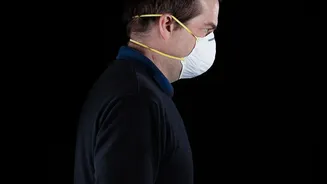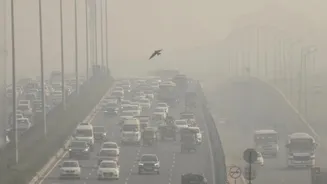








As a thick blanket of smog settles over Delhi, a scratchy throat can feel like an unavoidable part of daily life. But while it's easy to dismiss it as 'just the air', that persistent irritation could be a sign of something more serious.
Your Throat on High Alert
When you breathe
in Delhi's polluted air, your respiratory system is the first line of defence. The air is a cocktail of harmful pollutants, including tiny particulate matter (PM2.5), nitrogen oxides, and sulfur dioxide. These particles and gases act like sandpaper on the delicate lining of your throat, causing inflammation, dryness, and a scratchy sensation. This irritation is your body's immediate response to an environmental assault, triggering that all-too-familiar cough and constant need to clear your throat. Doctors in the capital report that even young and otherwise healthy individuals are experiencing these symptoms, highlighting the severity of the current pollution levels.
Irritation vs. Infection
It's crucial to distinguish between a simple irritation and a full-blown infection. A sore throat from pollution often feels like a dry, scratchy, or burning sensation. It might improve when you are indoors, especially with an air purifier. An infection, however, whether viral or bacterial, often comes with other tell-tale signs. A viral infection, like the common cold, might be accompanied by a runny nose and a persistent cough. A bacterial infection like strep throat could bring a higher fever, painful swallowing, body aches, and sometimes white patches on the tonsils, but often without a cough. If your throat pain is paired with these other symptoms, it's less likely to be just the smog.
Red Flags: When to Call a Doctor
While many pollution-induced sore throats are temporary, certain symptoms should never be ignored. You should seek professional medical advice if your sore throat lasts for more than a few days or worsens over time. Pay close attention if the irritation is accompanied by a high fever, difficulty swallowing or breathing, or severe chest tightness. Other warning signs include persistent hoarseness, coughing up coloured phlegm, swollen glands in your neck, or feeling excessively fatigued. Doctors warn that if you are gasping for air or cannot complete a sentence in one breath, you need immediate emergency care.
The Risks of Ignoring Persistent Symptoms
Dismissing a lingering sore throat as normal can be dangerous. Continuous exposure to high levels of air pollution weakens your throat's natural defences, making you more vulnerable to secondary bacterial or viral infections like laryngitis or pharyngitis. For those with pre-existing conditions like asthma or allergies, smog can severely aggravate their symptoms, leading to more frequent and intense flare-ups. In the long term, chronic inflammation caused by pollutants is linked to a higher risk of developing serious respiratory conditions, including chronic bronchitis and other lung diseases. The damage is cumulative, quietly building up even on days when the AQI is only moderately high.
What a Doctor Can Do for You
Self-medicating with lozenges or home remedies like saltwater gargles can provide temporary relief, but they don't address the underlying issue if it's more than simple irritation. A doctor can properly diagnose the cause of your sore throat, determining if it’s environmental, viral, or bacterial. This distinction is critical because antibiotics, for example, are only effective against bacterial infections and have no effect on viruses or pollutionnduced inflammation. A healthcare professional can prescribe appropriate medication, such as anti‐inflammatories or specific treatments for an infection, and offer tailored advice to manage your symptoms and protect your long‐term respiratory health.