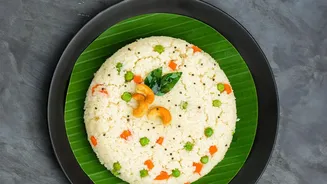




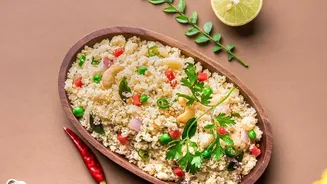
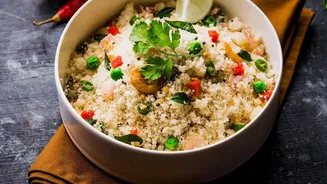
The 'Standard' Semolina Upma
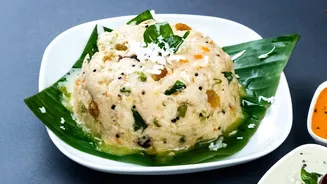
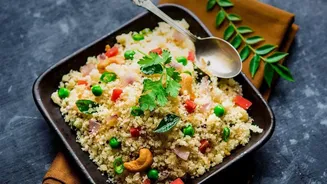
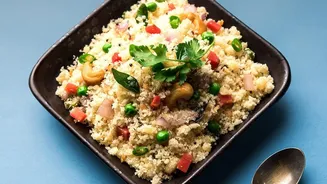
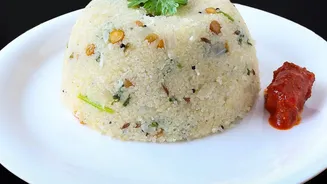
Before diving into the variations, it's worth defining the baseline. The most common version of upma, popular nationwide, is Rava Upma. Made from coarse, dry-roasted semolina (suji or rava), its preparation is straightforward. The classic tempering, or 'tadka',
involves mustard seeds, cumin seeds, urad dal (split black gram), and chana dal (split Bengal gram) sizzled in oil or ghee. Curry leaves, green chillies, and ginger are added for aroma, followed by onions. Hot water is poured in, and the rava is stirred in to cook until fluffy. This version is quick, comforting, and serves as the familiar foundation upon which regional flair is built.
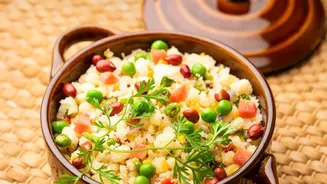
Karnataka’s Spicy Khara Bath
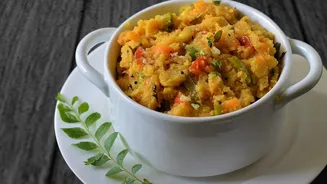
In Karnataka, upma is often known as Khara Bath, and it is a far more aromatic and spicier affair. The core difference lies in the spice mix. A dash of a special masala powder, often vangi bath powder or a similar home blend, is added, infusing the dish with a complex flavour profile that regular upma lacks. Khara Bath is also typically loaded with finely chopped vegetables like carrots, beans, and peas. It has a much softer, almost molten consistency compared to its drier counterparts elsewhere. Famously, it is served as one half of 'Chow Chow Bath', a popular breakfast platter where it sits alongside its sweet sibling, Kesari Bath.
Tamil Nadu's Hearty Arisi Upma
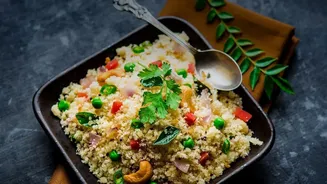
Travel to Tamil Nadu, and you'll find the very grain of the dish changes. Here, Arisi Upma reigns supreme, replacing semolina with coarse rice rava (arisi). This isn't just a minor substitution; it completely transforms the texture. The resulting upma is less of a porridge and more of a fluffy, grain-separated dish, similar to a pilaf. The traditional recipe involves pounding raw rice with toor dal and black peppercorns into a coarse powder. This mixture is then cooked with a tempering of mustard seeds, dals, red chillies, and often a generous amount of grated coconut. The final dish is hearty, wholesome, and carries a distinct, earthy flavour far removed from semolina.
Maharashtra’s Tangy Sanja
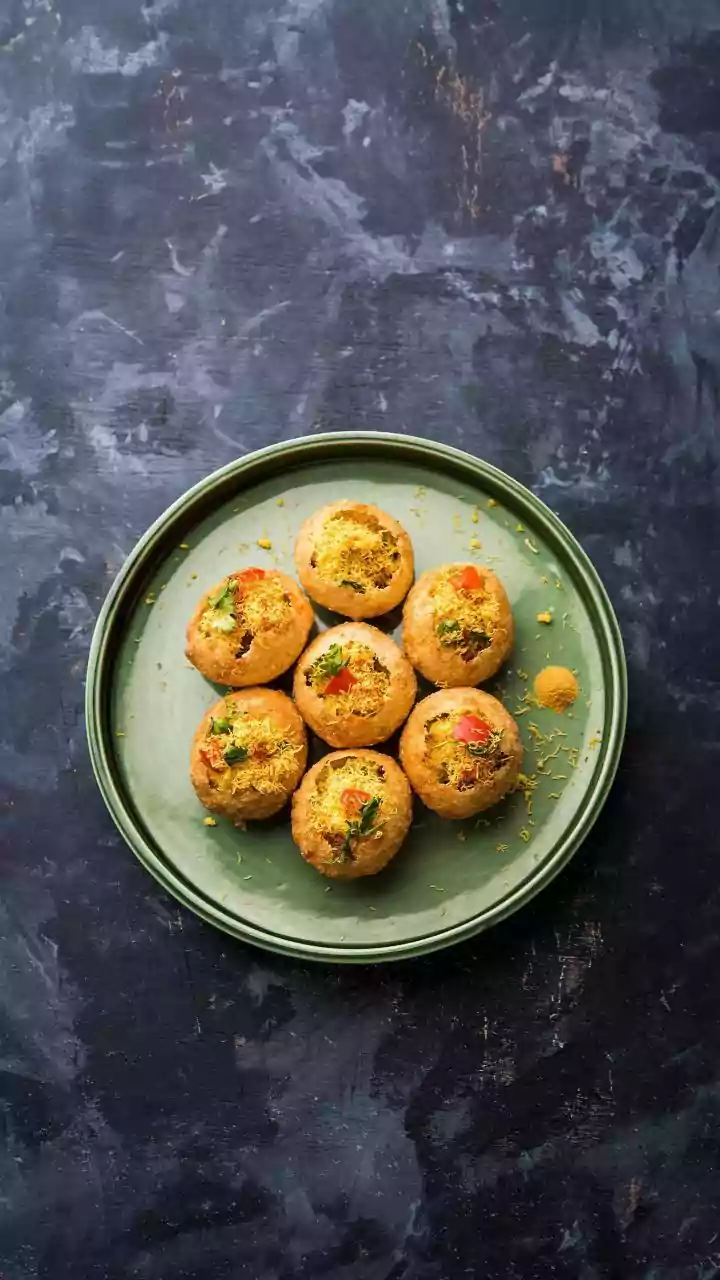
In Maharashtra, the local name for the savoury semolina dish is Sanja. While it shares its base ingredient with the standard upma, the Maharashtrian version introduces a few key twists. The tempering often includes peanuts, adding a delightful crunch. Turmeric is a common addition, giving the Sanja a characteristic yellow hue. But the most significant departure is the occasional use of buttermilk (dahi mixed with water) instead of just water for cooking the rava. This lends a subtle, pleasant tang to the dish, balancing the flavours in a way that is distinctly Maharashtrian. It's often garnished with fresh coriander and sometimes sev.
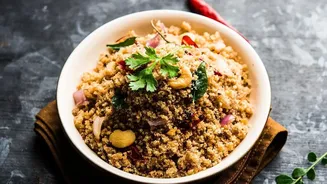
Kerala's Wholesome Gothambu Upma
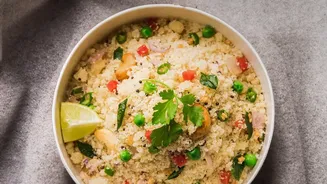
In Kerala, a state known for its lush greenery and focus on wholesome ingredients, upma often takes a healthier turn with Gothambu Upma. This version uses broken wheat (nurukku gothambu) instead of semolina. The texture is chewier and nuttier, and it's considered a more robust and filling meal. The preparation involves sautéing onions, ginger, and green chillies, often with the addition of grated coconut, a staple in Keralan cuisine. Sometimes, leafy greens like spinach or drumstick leaves are also incorporated, further boosting its nutritional value. This rustic and earthy version reflects the state’s preference for hearty, less processed grains.