





The Classic Masala Chai of the North
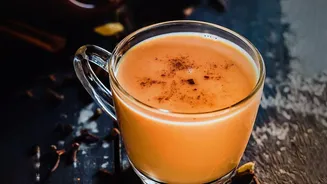
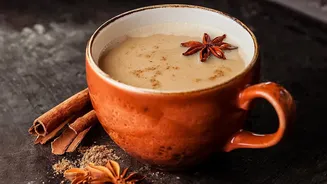
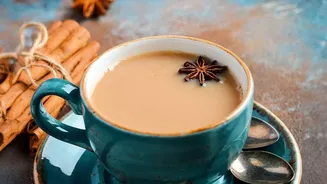
When most people outside India picture chai, they’re likely thinking of Masala Chai. This spiced, milky tea is a staple in many North Indian homes. The foundation is a strong black tea, often a robust CTC (Crush, Tear, Curl) Assam, which is boiled with
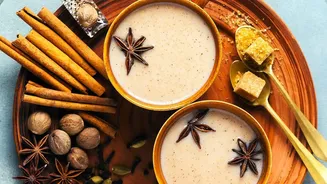
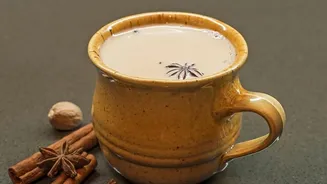
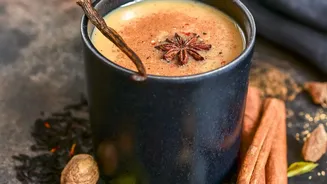
milk and water. What makes it 'masala' is the blend of spices, which varies from family to family but commonly includes ginger (adrak), green cardamom (elaichi), cloves, and cinnamon. This version is strong, sweet, and aromatic—a comforting and energizing brew that punctuates the daily rhythm of life, from morning routines to afternoon breaks.
Kashmir’s Perfumed and Milk-Free Kahwa
Travel to the chilly valleys of Kashmir, and you'll find a chai that’s completely different. Kashmiri Kahwa is an elegant, milk-free green tea brewed with whole spices like cinnamon, cloves, and cardamom. Its most distinctive ingredients are saffron, which imparts a beautiful golden hue and delicate aroma, and a garnish of slivered almonds or walnuts. Traditionally prepared in a brass kettle called a Samovar, Kahwa is a symbol of hospitality, served to welcome guests. It’s a light, warming, and fragrant drink perfectly suited to the cold climate, often enjoyed after meals to aid digestion.
Mumbai’s Fast-Paced Cutting Chai
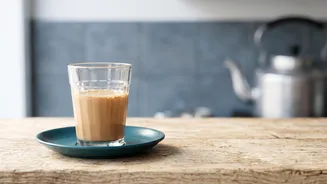
In the bustling metropolis of Mumbai, time and money are precious, and the city’s chai reflects this reality. 'Cutting chai' isn't a different recipe but a different way of serving it. The term 'cutting' means 'cut in half', referring to a half-portion of strong masala chai served in a small glass. This potent, sugary brew provides a quick, affordable caffeine fix for the city's millions of workers, from office-goers to mill laborers. It’s a social ritual, enjoyed at roadside stalls called 'tapris', which serve as hubs for conversation and a quick break from the city's relentless pace.
The Creamy, Rich Irani Chai of Hyderabad
Introduced by Persian immigrants in the 19th century, Hyderabadi Irani chai is a story of cultural fusion. Its preparation is unique. Instead of boiling everything together, the tea decoction and milk are prepared separately. The milk is slow-boiled for hours, sometimes with khoya (milk solids), until it becomes thick, creamy, and slightly caramelized. This sweetened, thickened milk is then combined with a strong, black tea decoction right in the cup. Served in white ceramic cups, often with a side of Osmania biscuits, Irani chai is a smooth, rich, and less spicy brew that defines the cafe culture of the old city.
The Zesty Brews of the East and South
The diversity doesn't stop there. In Kolkata, you’ll find Lebu Cha, a tangy and refreshing black tea without milk, infused with lemon juice and a pinch of black salt. Some vendors even add a hint of green chili for a surprising kick. Head to the Malabar Coast of Kerala, and you can sip on Sulaimani Chai. This light, golden-black tea is another milk-free creation, believed to have Arab origins. It's typically spiced with cardamom and clove, finished with a squeeze of lemon, and served after heavy meals as a palate cleanser and digestive aid.