






India's New Eye in the Sky
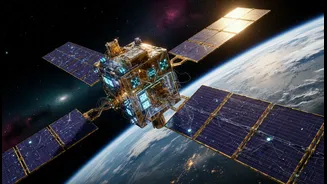
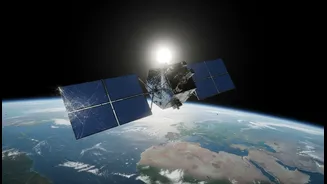
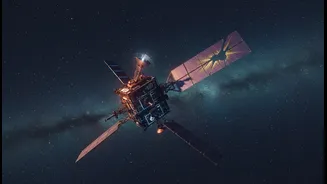
Mission Drishti was not just another satellite; it was a pioneering leap for India's private space industry. Developed by the Bengaluru-based startup GalaxEye, it was the largest Earth observation satellite ever built by a private Indian company, weighing
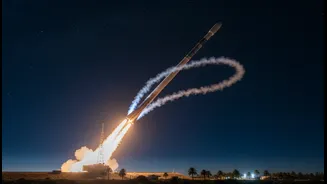
in at 190 kg. Launched on May 3, 2026, aboard a SpaceX Falcon 9 rocket, the mission carried the world's first 'OptoSAR' payload. This innovative technology combines two types of sensors: a standard optical camera and a Synthetic Aperture Radar (SAR). The goal was to create a satellite that could see the Earth's surface day or night and in any weather, overcoming the limitations of traditional satellites that are blinded by clouds or darkness. This capability is crucial for a wide range of applications, including national security, disaster management, and agriculture.
The Most Perilous Part of the Journey
For any satellite, the Launch and Early Orbit Phase (LEOP) is the most critical and dangerous period. This is the initial stage right after the satellite separates from the rocket. During LEOP, ground control teams work around the clock to establish contact, stabilise the spacecraft, deploy its solar panels and antennas, and run checks on all its vital systems. It's a high-stakes, meticulously choreographed sequence of events to ensure the satellite is healthy and ready for its main mission. For Mission Drishti, this phase was handled by GalaxEye's own Mission Control Centre in Bengaluru, a significant demonstration of in-house capability. The satellite had successfully established communication and was proceeding with its deployment and system checks as planned.
A Sudden and Powerful Anomaly
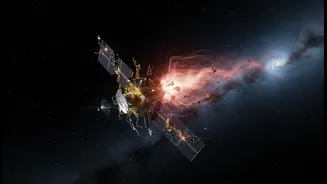
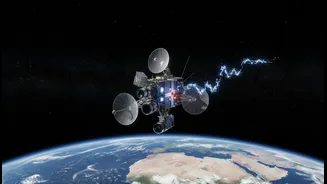
Just as Mission Drishti was nearing the end of this crucial early phase, disaster struck. The satellite encountered a severe geomagnetic solar storm. These storms are powerful bursts of radiation and energy from the sun that can wreak havoc on electronics in space. GalaxEye reported that in the final stage of LEOP, the spacecraft experienced an anomaly. Initial analysis points to the intense radiation from the solar storm damaging a critical onboard system. Communication with the satellite became patchy and intermittent before contact was lost altogether.
A Setback, But Not a Failure
On July 7, GalaxEye officially announced that while recovery efforts are ongoing, the chances of re-establishing contact with the satellite appear low. The news is a significant setback for the promising startup, founded by alumni of IIT Madras. However, the company is emphasizing that the mission was far from a total loss. Before the anomaly occurred, Mission Drishti had already completed a majority of its planned LEOP tasks. It successfully validated many of its key technologies, operational processes, and the infrastructure needed to run such a complex mission. In a statement, GalaxEye's CEO, Suyash Singh, noted that the mission provided invaluable engineering insights that will directly strengthen their future projects.
What's Next for GalaxEye and Indian Space Tech
Despite the loss of the spacecraft, the experience has hardened GalaxEye's resolve. The company has stated that the lessons learned from this mission are already being applied to future designs. They plan to accelerate bringing more of their supply chain and manufacturing in-house to have greater control over the entire process. The startup remains committed to its long-term vision of a constellation of satellites and has announced plans to launch two new OptoSAR satellites within the next 24 months. The journey of Mission Drishti, though cut short, serves as a powerful testament to the ambition and resilience of India's burgeoning private space sector. It highlights both the incredible potential for innovation and the harsh realities of operating in the unforgiving environment of space.