






A New Model for Moon Missions
NASA is doubling down on its strategy to commercialize the journey to the Moon. The agency recently announced a major expansion of its Commercial Lunar Payload Services (CLPS) initiative, selecting eight U.S. companies to compete for future contracts
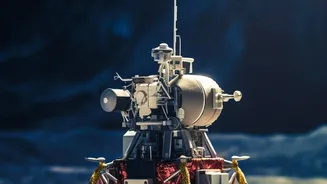
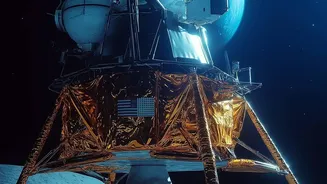
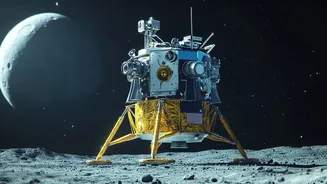
to deliver cargo and equipment to the lunar surface. This move signals a fundamental shift in how space exploration is conducted, moving from bespoke, government-run missions to a more dynamic, service-based model. Instead of building and flying all its own hardware, NASA can now simply buy a ticket to the Moon from a growing list of private vendors. This approach is designed to increase the frequency of missions, reduce costs, and foster a competitive commercial space ecosystem that can serve both government and private customers.
The Companies Leading the Charge
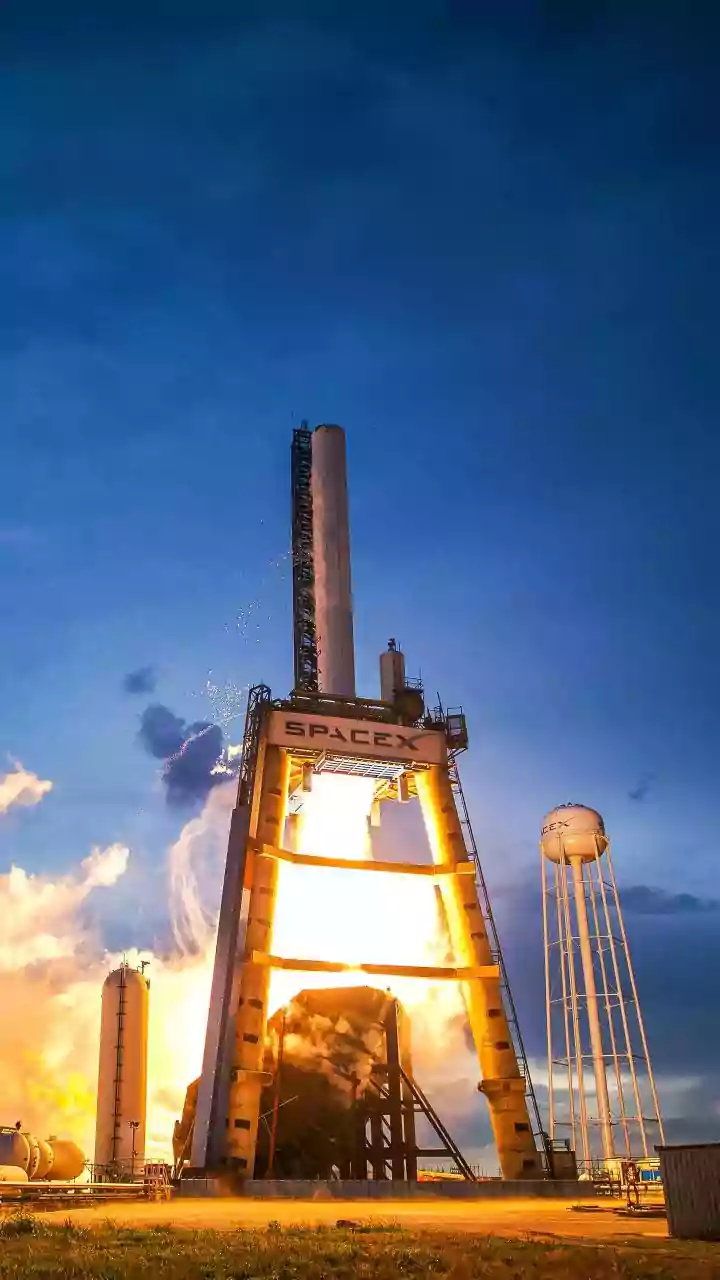
The list of selected companies includes a mix of established aerospace giants and ambitious newcomers. Blue Origin, SpaceX, Lockheed Martin, and Northrop Grumman are joined by Firefly Aerospace, Intuitive Machines, ispace-U.S., and Voyager Technologies. These companies are now eligible to bid on task orders under a new 10-year contract framework known as CLPS 2, which has a combined maximum value of $10 billion. This doesn't mean each company gets a slice of a $10 billion pie; rather, they can now compete for individual delivery missions that NASA will order over the next decade. This group expands on the original CLPS program, which has already seen successes, such as Intuitive Machines' historic first commercial soft landing on the Moon in 2024 and Firefly Aerospace's successful Blue Ghost mission.
What's in the Cargo Bay?
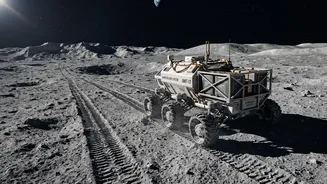
The payloads these companies will transport are crucial for the next phase of the Artemis program, which aims to establish a sustained human presence on the Moon. The deliveries will include a wide array of items, from advanced scientific instruments and technology demonstrations to critical infrastructure. For example, NASA has already tasked Blue Origin with delivering a nuclear-powered rover named PROMISE (Polar Rover for Observation, Mapping, and In-Situ Exploration) to the lunar South Pole around 2028. This rover will search for water ice in permanently shadowed regions, a resource vital for future long-term missions. Other missions will deploy communications satellites, test new landing technologies, and deliver components for a planned mini-communications and solar power tower.
Building a Lunar Outpost, Piece by Piece
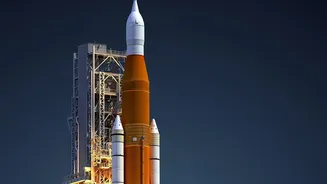
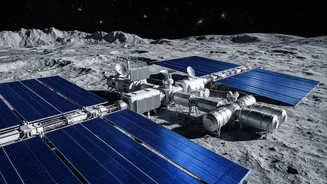
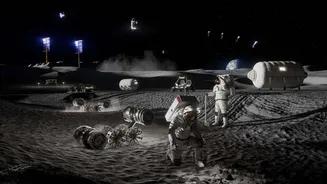
This expansion of the CLPS program is a cornerstone of NASA's plan to build a 'Moon Base'. The idea is to use this network of commercial landers to robotically preposition equipment, supplies, and infrastructure on the lunar surface before astronauts arrive. By having rovers, power systems, and habitats waiting for them, astronaut crews can spend more of their time on science and exploration. The contracts also cover the development of Lunar Terrain Vehicles (LTVs)—the next-generation moon buggies—that can be operated by astronauts or remotely from Earth. These developments are not just about reaching the Moon but about staying there and creating a sustainable outpost for science and, eventually, further exploration into the solar system.