








The Chai Wallah’s Street Corner Parliament
Walk down any bustling Indian street, and you will find a 'chai wallah' presiding over a steaming pot of tea. These tea vendors are the heart of India's street culture, their stalls, or 'tapris', serving as informal community centres. Here, amidst the aromatic
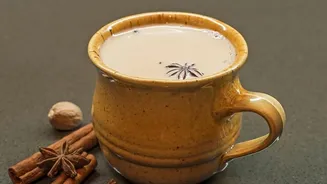
clouds of ginger and cardamom, people from all walks of life gather to gossip, debate politics, and share a moment of connection. The 'chai wallah' is not just a vendor but an artist, each with a secret blend of spices and a unique, theatrical method of pouring the tea from a height to cool it and create a frothy top. This daily ritual, an offering of hospitality and respect, is deeply woven into the social fabric, making the humble chai stall an essential fixture of Indian life.
A Nation Steeped in Variety
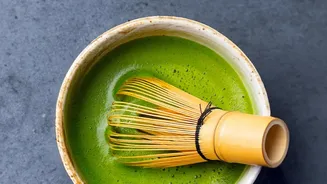
While masala chai is the most famous variant, India’s tea story is a map of diverse regional flavours. The term 'chai' simply means tea, but the preparation changes dramatically from one state to another, reflecting local ingredients and history. In the north, Kashmiri Kahwa is a delicate green tea brewed with saffron, cardamom, and almonds. Down south, in Kerala, one might find 'Sulaimani chai', a brisk black tea with lemon and no milk. The classic milky, spiced masala chai itself has countless family and vendor-specific recipes, often featuring ginger, cinnamon, cloves, and black pepper. This tradition of spiced tea has ancient roots in Ayurveda, where herbal concoctions called 'kadha' were used for medicinal purposes long before black tea leaves were introduced by the British.
An Unsettling Climate Forecast
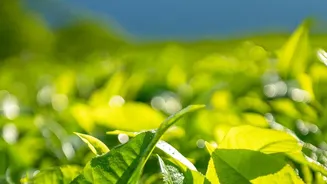
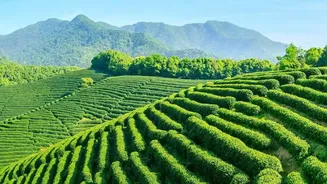
This vibrant culture faces a profound threat from climate change. India's famed tea-growing regions, particularly Assam and Darjeeling, are experiencing erratic weather patterns that jeopardise production. Assam, which produces over half of India's tea, is witnessing extreme swings from drought to flood, while rising temperatures and increased pest attacks are damaging the delicate tea bushes. A study in Darjeeling showed that over two decades, temperatures have risen while rainfall has decreased, affecting the quality, flavour, and aroma of the world-renowned tea. Some estates have reported crop losses of up to 35% in a single season due to these abnormal conditions. Experts warn that without significant adaptation, a large portion of India's tea farms could be lost by 2050, threatening the livelihoods of millions.
Brewing a Resilient Future
The response to this crisis is unfolding both in the sprawling tea gardens and at the local level. Tea producers are being urged to adopt more sustainable practices, such as water conservation, organic farming, and afforestation to improve microclimates. Some estates are already experimenting with intercropping and using herbal pest control to build resilience. For the chai wallah and the home brewer, the focus on local ingredients may become even more important. As the character of large-scale tea production shifts, there is a renewed appreciation for the diversity of regional recipes that have always adapted to what is available. This crisis is forcing a conversation about how to protect not just an industry, but a cornerstone of Indian identity.