


The Two Faces of Cinnamon
Cinnamon is a staple in kitchens across India, essential for everything from garam masala to morning chai. But not all cinnamon is created equal. The spice world is primarily divided into two main types: Ceylon cinnamon (Cinnamomum verum), often called
"true cinnamon," and Cassia cinnamon (from the Cinnamomum cassia tree, among other related species). While they share a name and a certain warmth, they are botanically distinct with significant differences in appearance, taste, and chemical composition. The vast majority of cinnamon found in supermarkets globally is the cheaper, more robust cassia variety, which originates from regions like China, Vietnam, and Indonesia. Ceylon cinnamon, native to Sri Lanka and Southern India, is considered a higher-quality, more premium spice.
Fragile Quills vs. Hardy Bark
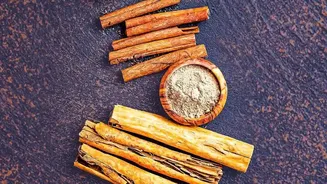
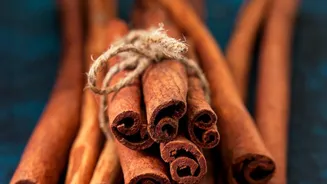
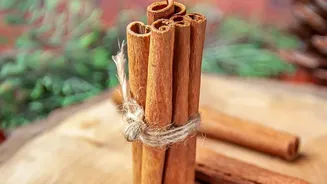
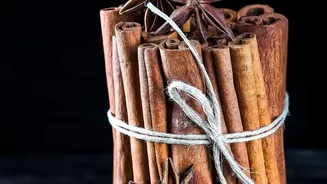
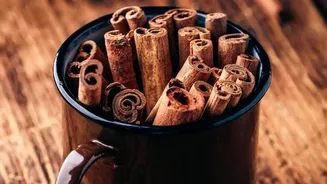
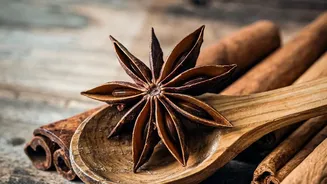
The most immediate way to tell the two apart is by their physical form, which directly addresses the headline's claim. Ceylon cinnamon sticks, or quills, are composed of many thin, papery layers of bark rolled together into a tight, cigar-like stick. These quills are light tan or golden-brown, soft, and notably fragile—you can often crumble a piece between your fingers. Cassia, on the other hand, presents as a thick, single layer of bark that curls inward from both sides, forming a hollow tube. It is dark, reddish-brown, woody, and extremely hard. Trying to break a cassia stick requires significant force and results in a sharp snap, whereas Ceylon's delicate structure gives way easily. This toughness makes cassia much harder to grind at home.
A Tale of Two Flavours
The difference in flavour is just as pronounced as the physical contrast. Ceylon cinnamon offers a delicate, sweet, and complex flavour profile with subtle floral and citrus notes. Its mildness enhances dishes without overpowering them, making it ideal for refined desserts, beverages, and subtle rice dishes. Cassia delivers a much bolder, spicier, and more pungent punch. This intense, fiery flavour comes from a higher concentration of the compound cinnamaldehyde. It’s the aggressive cinnamon flavour many associate with cinnamon-forward sweets or robust, savoury dishes like curries and meat rubs, where it can stand up to other strong spices. In India, while both are referred to as dalchini, cassia is the more prevalent variety used in everyday cooking due to its assertive flavour and lower cost.
The Coumarin Consideration
Perhaps the most important difference for regular consumers is the content of a natural compound called coumarin. Cassia cinnamon contains significantly high levels of coumarin, which, in large or frequent doses, has been linked to potential liver issues, especially in sensitive individuals. The tolerable daily intake is quite low, and a single teaspoon of cassia powder can exceed the recommended limit for some people. Ceylon cinnamon, by contrast, contains only trace or negligible amounts of coumarin, making it a much safer choice for daily or heavy use, such as in health supplements or for those who enjoy a lot of cinnamon in their diet. While occasional use of cassia in food is generally considered safe for most people, those who consume it regularly for health benefits or have pre-existing liver conditions are often advised to switch to Ceylon.
How to Be a Savvy Spice Shopper
When you're at the market, look closely at the sticks. If you see hard, dark, hollow tubes, it's cassia. If you see soft, layered, light-brown quills, it's Ceylon. Ground cinnamon is harder to identify visually, as the colours can be similar, though Ceylon is often a lighter tan. The best way to be sure is to check the label. Products will often specify "Ceylon" or their origin as Sri Lanka if they are true cinnamon. Given that cassia makes up about 90% of the cinnamon sold worldwide, if a product is just labelled "cinnamon" or "dalchini" without further specification, it is almost certainly cassia. This is especially true for lower-priced options, as Ceylon's more labour-intensive harvesting process makes it considerably more expensive.