

The Monsoon Dining Effect
There’s a certain magic to dining out during the Indian monsoon. As the skies open up, people flock indoors, seeking shelter, warmth, and comfort. Restaurants become sanctuaries, buzzing with the energy of groups escaping the downpour. This seasonal shift
triggers a change in our appetites. The desire for light, cool summer foods is washed away by a craving for all things hot, fried, and indulgent. Steaming bowls of soup, crisp bhajis, spicy samosas, and rich, hearty meals become the order of the day. The weather creates a festive, almost conspiratorial atmosphere. It’s a season for connection and comfort, and food is central to that experience. This collective mood, however, sets the stage for a very specific problem: the communal table groaning under the weight of too much food.
The Psychology of Plenty
Ordering in a group is psychologically different from ordering for yourself. Research shows that people eat significantly more when they are with friends and family. This isn't just about hunger; it’s about social dynamics. When one person suggests an extra starter, it gives others permission to add their own “just one more dish.” There's an anxiety to ensure there's enough for everyone, often driven by a cultural impulse towards hospitality and avoiding the embarrassment of scarcity. This phenomenon, known as the social facilitation of eating, is amplified during the monsoon. The desire for variety, the joy of sharing, and the fear of under-ordering all conspire. Each person’s individual craving for a specific rainy-day comfort food—one wants pakoras, another wants chilli chicken, a third insists on khao suey—results in a table laden with more than the group can possibly finish.
The Leftover Dilemma
In a dry season, taking leftovers home is a simple act. During the monsoon, it’s a logistical challenge. The journey from the restaurant door to your home is fraught with peril. Flimsy foil containers and paper bags quickly turn soggy in the relentless drizzle, threatening to disintegrate. Navigating puddles, crowded streets, and the general chaos of a rainy evening while trying to protect a parcel of dal makhani is a recipe for disaster. There's the constant fear of a spill, the struggle to hail an auto or cab while juggling an umbrella and multiple bags, and the high probability of the food being ruined by the time you get home. This difficulty makes people more likely to abandon their leftovers, contributing to food waste, simply because the effort of transporting them feels too great.
A Smarter Way to Feast
Enjoying a monsoon feast doesn't have to end in waste. The key is mindful ordering. Instead of everyone placing individual orders at once, try ordering in rounds. Start with a few shared appetisers and see how the group feels before moving on to mains. Appointing a single person as the 'order captain' can also help streamline the process and prevent impulsive additions. This person can gauge the group's appetite and ensure a balanced order rather than a free-for-all. Another strategy is to focus on platters or combo meals designed for sharing, which offer variety without requiring five separate main courses. Discussing preferences beforehand can also prevent ordering duplicate or clashing dishes.
Solving the Takeaway Problem
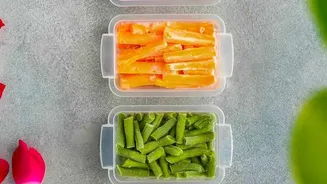
For the inevitable leftovers, a little preparation goes a long way. An increasing number of diners are now carrying their own sturdy, leak-proof containers to restaurants. It’s a simple, eco-friendly solution that eliminates the problem of soggy packaging. Keeping a set of reusable containers in your car can make this a convenient habit. If you're caught unprepared, don't hesitate to ask the restaurant for better packing options. Many establishments are investing in higher-quality, water-resistant packaging for their delivery services, and they might be able to provide it for a small charge. This ensures your food survives the journey home, allowing you to enjoy the remnants of your monsoon feast the next day, safe and dry.