





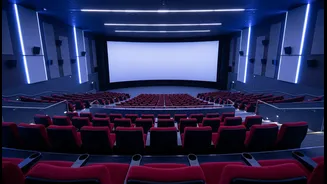


The Ultimate Cinematic Experience
When a director like Christopher Nolan releases a new film, it’s more than a movie; it’s a global event. Known for his commitment to practical effects and in-camera wizardry, Nolan has become Hollywood's staunchest advocate for celluloid in a digital
world. For his new film, an ambitious epic, he has doubled down on his signature format: 15/70mm IMAX. The director has long argued that this format is the gold standard of cinema, offering unparalleled immersion and quality. He believes it provides the highest quality imaging format ever devised, creating a sense of clarity and crispness that digital technology has yet to match. This commitment means that to see his latest work as he truly intended, audiences must seek out a theatre from a very exclusive list.
What Exactly Is 15/70mm IMAX?
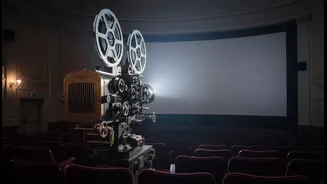
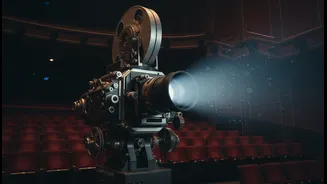
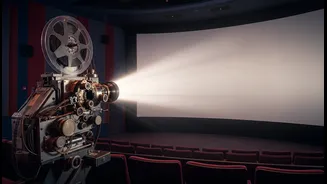
Not all IMAX is created equal. While many multiplexes carry the IMAX brand, they are typically showing a digital projection. The format Nolan champions is 15-perf/70mm film, a reference to the film stock itself. Each frame is 15 perforations wide on a 70mm film strip, which is run horizontally through a massive projector. The resulting image area is enormous—nearly ten times the size of a standard 35mm film frame. This translates to a resolution that some experts equate to 16K or even 18K, dwarfing the 2K or 4K resolution of most digital cinemas. The other key difference is the aspect ratio. True IMAX screens are enormous and have a boxier 1.43:1 aspect ratio, which is much taller than the wider screens most of us are used to. When Nolan films scenes for IMAX, he uses the entire massive frame, creating an immersive experience that fills your peripheral vision and can make you feel like you are inside the movie.
An Endangered Cinematic Species
If 15/70mm film is so superior, why are there only 41 cinemas in the world that can project it? The answer is a mix of technology, cost, and logistics. As digital projection became cheaper and more convenient in the 2000s, most theatres dismantled their analogue film projectors. IMAX film projectors are particularly cumbersome and expensive machines, requiring specially trained projectionists to operate them. The film prints themselves are also a challenge; a single print for a feature-length film can weigh over 270 kgs and be over 17 kilometres long. Shipping and handling these massive reels is a significant undertaking. The scarcity isn't due to a lack of demand—showings for Nolan's previous films in this format have sold out instantly—but to the immense financial and technical challenges of maintaining this legacy technology.
A Global Treasure Hunt for Film Buffs
The 41 cinemas capable of this grand presentation are scattered across the globe, turning a simple movie ticket purchase into a pilgrimage for dedicated cinephiles. These venues are often not your typical suburban multiplex but landmark institutions, including science museums and historic theatres in major metropolitan areas. The list includes famous locations like the BFI IMAX in London, the TCL Chinese Theatre in Hollywood, and Melbourne's IMAX, which boasts the largest screen in the world. In India, for instance, despite having a robust cinema culture and numerous IMAX-branded screens, none are currently equipped for 15/70mm film projection, meaning audiences there will see a digitally converted version. For those lucky enough to live near one of these select venues, the experience is a rare opportunity to witness a film on a scale that few will ever see.