

For a Natural Glow: Turmeric and Gram Flour
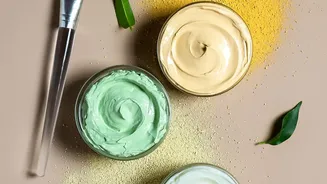
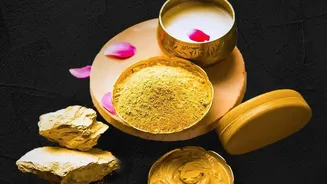
This classic combination is a staple in many Indian households for good reason. Gram flour (besan) acts as a gentle cleanser and exfoliant, while turmeric is known for its anti-inflammatory and brightening properties. To make the mask, mix two tablespoons
of gram flour with a pinch of turmeric. Add enough milk or plain yogurt to form a smooth paste. Apply it evenly to your face, let it sit for about 15 minutes, and rinse with lukewarm water. This pack is particularly good for dull skin, helping to remove dead cells and reveal a more radiant complexion.
For Oily and Acne-Prone Skin: Multani Mitti and Rose Water
Multani mitti, or Fuller's Earth, is a mineral-rich clay renowned for its ability to absorb excess oil and impurities from the skin. This makes it a powerful ally for those with oily or acne-prone skin, as it helps to deep-cleanse pores and control shine. To prepare, mix two tablespoons of multani mitti with enough rose water to create a smooth, lump-free paste. Rose water is known for its calming properties. Apply the mask, avoiding the eye area, and leave it on for 15-20 minutes, but don't let it dry completely and crack, as this can irritate the skin. Rinse with cool water. This mask can help reduce the appearance of blemishes and leave your skin feeling fresh.
For Dry and Sensitive Skin: Oatmeal and Honey
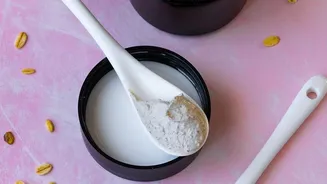
If your skin is dry, irritated, or sensitive, this soothing combination is an excellent choice. Oatmeal is a gentle exfoliant and has anti-inflammatory properties that can help calm redness and itching. Honey is a natural humectant, meaning it helps your skin retain moisture, leaving it soft and hydrated. To make it, grind two tablespoons of oatmeal into a fine powder and mix with one tablespoon of honey. You can add a little water or milk to get the right consistency. Apply the paste and let it rest for about 15-20 minutes before rinsing. This mask nourishes the skin without stripping its natural oils.
For Gentle Exfoliation: Papaya and Honey
Ripe papaya contains a natural enzyme called papain, which acts as a gentle exfoliant to break down and remove dead skin cells. This helps to brighten the skin, improve texture, and can even help fade post-acne marks over time. Mash a few pieces of ripe papaya into a smooth pulp and mix in a tablespoon of honey for its moisturising and antibacterial benefits. Apply the mixture to your face for about 15 minutes and then rinse off. It’s a refreshing treatment that reveals a smoother, more radiant complexion without the need for harsh scrubbing.
For Hydration and Repair: Aloe Vera and Honey
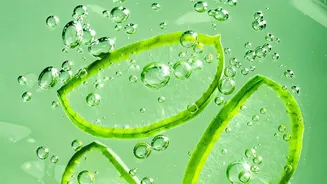
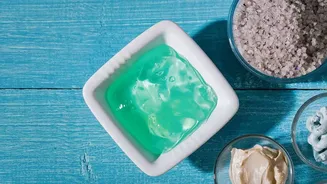
Aloe vera is celebrated for its calming and hydrating properties, making it perfect for skin that needs a dose of moisture and repair. It's anti-inflammatory and helps soothe irritation. When combined with honey, a natural antibacterial and moisturising agent, this mask becomes a healing treatment. Mix two tablespoons of fresh aloe vera gel with one tablespoon of honey. Apply the cool, soothing gel to your face and leave it on for 15-20 minutes before washing off. This is one of the most calming options for all skin types, especially after sun exposure.
For Gentle Brightening: Yogurt and Honey
Yogurt contains lactic acid, a mild alpha-hydroxy acid (AHA) that gently exfoliates the skin, helping to even out skin tone and improve texture. When paired with the hydrating properties of honey, this mask works to brighten the complexion while ensuring the skin stays moisturised and soft. Simply mix two tablespoons of plain yogurt with one tablespoon of honey. Apply a layer to your face for 10-15 minutes, then rinse. It's a simple yet effective treatment for achieving a healthy, subtle glow.
For a Quick Scrub: Coffee and Yogurt
Ground coffee can serve as a physical exfoliant to slough away dead skin cells and boost circulation. However, its texture can be abrasive, so it should be used with care, especially on the face. Mixing it with a creamy base like yogurt can provide a buffer and add a moisturising element. Combine one tablespoon of finely ground coffee with two tablespoons of plain yogurt. Gently massage the mixture onto damp skin in circular motions for no more than a minute, then rinse thoroughly. Due to its abrasive nature, this is best avoided by those with sensitive or acne-prone skin.
Who Should Be Cautious?
While DIY skincare is appealing, it's not suitable for everyone. People with very sensitive skin, eczema, rosacea, or active acne should be particularly careful, as some natural ingredients can cause irritation or flare-ups. Ingredients like raw lemon juice are highly acidic and can disrupt the skin's pH, cause irritation, and even lead to chemical burns when exposed to the sun (a condition called phytophotodermatitis). Similarly, baking soda is too alkaline and can strip the skin's protective barrier. Always perform a patch test before applying any new mixture to your entire face. Apply a small amount to your inner arm or behind your ear and wait 24 hours to check for any redness, itching, or irritation. If you have a known skin condition or are using prescription treatments, it is always best to consult a dermatologist first.