


First, What Are These Particles?
Particulate Matter, or PM, refers to a mixture of tiny solid particles and liquid droplets floating in the air. The numbers—2.5 and 10—refer to their size in micrometers. PM10 particles have a diameter of 10 micrometers or less, while PM2.5 particles are
much smaller, with a diameter of 2.5 micrometers or less. To put that in perspective, a single strand of human hair is about 70 micrometers in diameter. You could fit dozens of PM2.5 particles across its width. This size difference is crucial because it determines where these particles come from and, most importantly, how they affect our health.
The Single-Source Pollution Myth
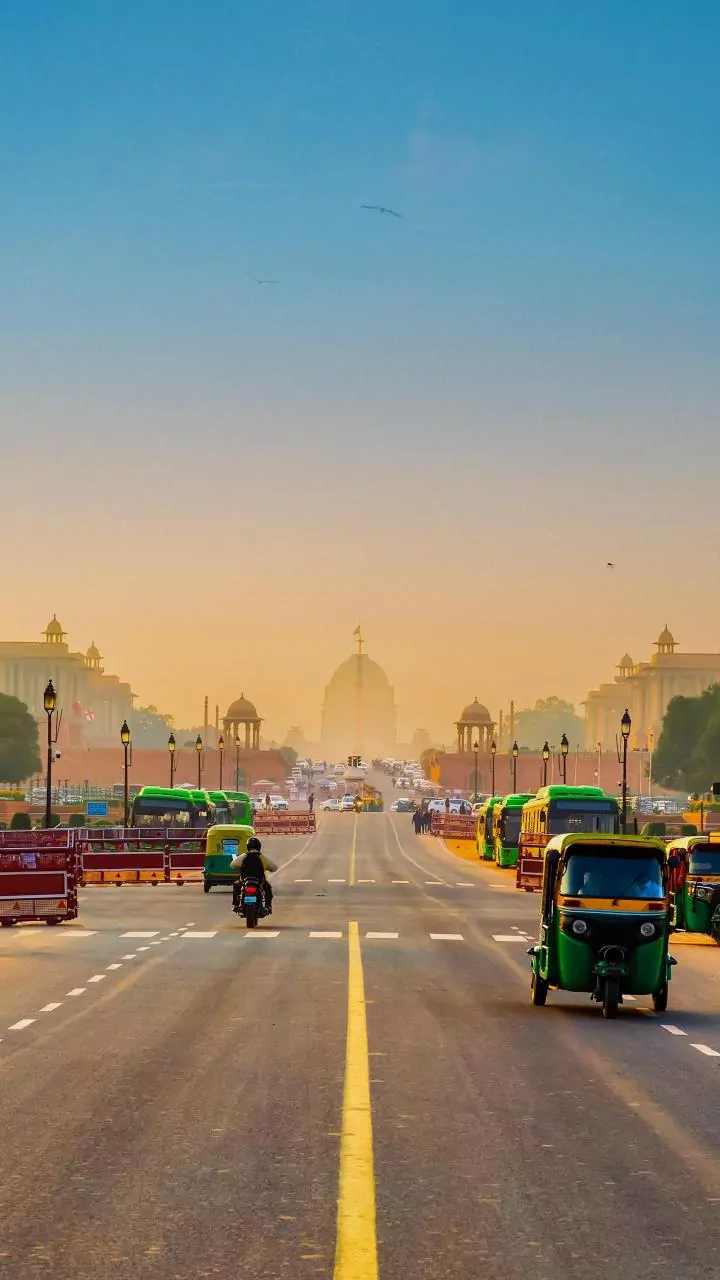
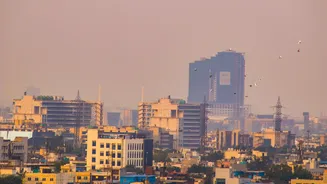
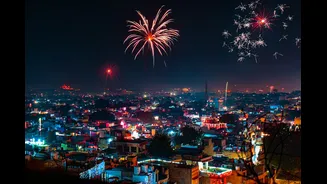
When pollution spikes, it's tempting to point fingers at a single culprit, whether it's stubble burning in neighbouring states, Diwali firecrackers, or Delhi's own traffic. While these are all significant contributors, the reality is far more complex. Delhi's air pollution is a cocktail of emissions from many sources that vary by season and even time of day. Blaming only one factor oversimplifies the problem and distracts from the need for comprehensive, year-round solutions that address all major polluters.
Where PM10 Comes From: The Dust Factor
PM10 particles are often described as 'coarse dust'. Think of them as larger, heavier particles that don't stay suspended in the air for as long. In Delhi, the biggest sources of PM10 are mechanical processes that kick up dust. This includes road dust from vehicle movement on paved and unpaved roads, construction and demolition activities, and industrial processes like mining and quarrying. While they are less of a long-term systemic risk than their smaller cousins, high concentrations of PM10 can still cause significant respiratory irritation, coughing, and worsen conditions like asthma.
Where PM2.5 Comes From: The Combustion Cocktail
PM2.5 particles are the finer, more insidious pollutants. These are primarily generated from combustion processes. Major contributors in Delhi include exhaust from cars, trucks, and buses; industrial emissions from factories and power plants; and biomass burning. This 'biomass burning' category is broad, covering everything from large-scale crop residue burning that plagues the region in winter to local sources like burning garbage for disposal or wood and cow dung for warmth and cooking. Additionally, gases released from these same sources can react in the atmosphere to form new, 'secondary' PM2.5 particles, further complicating the mix.
Why Smaller is More Dangerous
The critical difference between PM10 and PM2.5 lies in how our bodies handle them. The larger PM10 particles are generally trapped in the upper respiratory tract—the nose and throat—where they can cause irritation but are often coughed or sneezed out. However, the tiny size of PM2.5 allows these particles to bypass the body's natural defenses and travel deep into the lungs. From there, the smallest particles can even pass into the bloodstream, circulating throughout the body. This is why long_term exposure to PM2.5 is strongly linked to severe health outcomes, including heart attacks, strokes, reduced lung function, and even cancer.
Seeing the Whole Picture
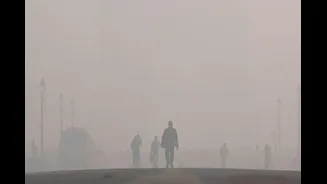
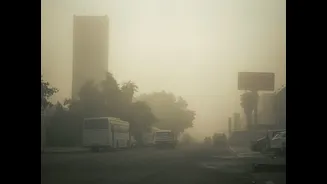
So, while road dust might be the biggest source of PM10, transport is a dominant source of the more dangerous PM2.5. In winter, stubble burning can contribute significantly to PM2.5 levels, but vehicular emissions, industry, and local burning are everpresent factors. Winter weather conditions, like lower temperatures and weaker winds, also play a huge role by trapping all these pollutants close to the ground, turning the city into a gas chamber. Understanding this multi_source reality is key. It shows that effective action must involve managing dust, transitioning to cleaner vehicles, curbing industrial pollution, and providing alternatives to biomass burning, all at the same time.