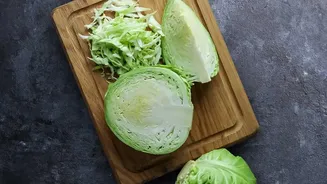






The Cabbage Conundrum
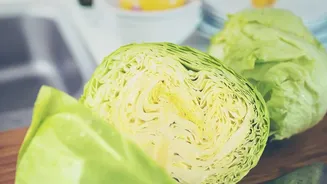
Why does cabbage pose such a challenge? It comes down to its structure. Cabbage is dense and full of water. When cooked, the goal is to break down its tough fibers just enough to become tender, while also allowing some of its water content to evaporate,
concentrating its flavour. The common mistake is boiling it for too long, which turns it mushy and releases that pungent sulphur smell. Overcooking is the primary culprit behind most cabbage disappointments. Another misstep is overcrowding the pan; this causes the cabbage to steam in its own moisture instead of browning, leading to a limp texture.
The Golden Rule: Control Time and Heat
The secret to perfect cabbage lies in choosing the right cooking method and controlling the time and temperature. You don't need complicated tools, just a good understanding of how cabbage reacts to heat. For a crisp-tender result, high heat and short cooking times are your friend, as in a quick stir-fry or sauté. For a silky, melt-in-your-mouth texture, a low-and-slow method like braising works wonders. Roasting offers a fantastic middle ground, creating tender interiors with delightfully crispy and caramelized edges. The key in all methods is to start checking for doneness early. Shredded cabbage can become tender in as little as 10-15 minutes.
Technique 1: The Quick Sauté
Sautéing is ideal for shredded cabbage and is one of the fastest ways to achieve a delicious result. The trick is to use a large pan over medium-high heat and not to overcrowd it. If needed, cook the cabbage in batches. Start by heating some fat, like butter and olive oil, and perhaps some onions or garlic for a flavour base. Add your thinly sliced cabbage and stir occasionally, but not constantly. Allowing the cabbage to sit undisturbed for a minute or two lets it caramelize and develop a sweeter flavour. It will wilt down significantly. After about 10-15 minutes, it should be tender with some slightly browned edges.
Technique 2: Roasting for Sweetness
Roasting transforms cabbage, mellowing its flavour and bringing out a surprising sweetness. A high oven temperature, around 220°C (425°F), is perfect for this method. Cut the cabbage into wedges or 'steaks', leaving the core intact so the pieces hold together. Toss the wedges with olive oil, salt, and pepper, and lay them in a single layer on a baking sheet. Roast for 20–30 minutes, flipping halfway through, until the edges are crispy and charred and the center is fork–tender. For extra tender results without burnt edges, you can cover the baking dish with foil for the first part of the cooking time to steam the cabbage before uncovering it to brown.
Recipe: Simple Sautéed Cabbage with Garlic
This recipe is a perfect example of the sautéing technique. You'll need one medium head of green cabbage, thinly sliced; 2 tablespoons of butter or olive oil; and 2 minced garlic cloves. Heat the fat in a large skillet over medium–high heat. Add the garlic and cook for 30 seconds until fragrant. Add half the cabbage and cook for a minute or two until it wilts, then add the rest. Season with salt and pepper. Continue to cook, stirring occasionally, for 12–15 minutes until the cabbage is tender and lightly caramelized. A squeeze of fresh lemon juice at the end can brighten up the flavours.
Recipe: Roasted Cabbage Wedges with Parmesan
For a side dish with impressive flavour, try this. Preheat your oven to 200°C (400°F). Cut one head of cabbage into 6–8 wedges. Brush them on all sides with olive oil and season with salt and pepper. Place them on a parchment–lined baking sheet and roast for about 20 minutes. Carefully remove the sheet from the oven, flip the wedges, and sprinkle generously with grated Parmesan cheese. Return to the oven for another 10–15 minutes, until the cabbage is tender and the cheese is melted and golden. This method creates a wonderful contrast between the soft interior and the savory, crispy cheese crust.