





More Than Just Abs
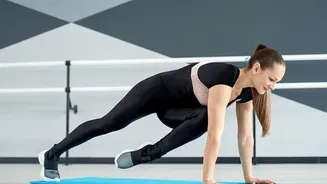
When we talk about 'the core', it’s easy to picture a chiselled six-pack. But a truly strong core is a complex system of muscles that wraps around your entire torso. It includes your abdominal muscles, obliques along your sides, lower back muscles, glutes,
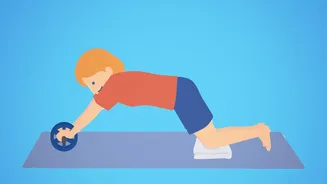
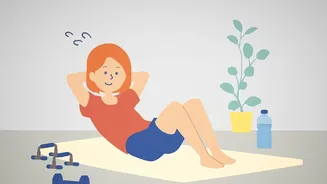
and even your pelvic floor. These muscles work together to stabilise your spine, control movement, and transfer power through your body. Traditional exercises like sit-ups often target only a small part of this system. A functional core isn’t just about aesthetics; it’s the foundation for good posture, balance, and preventing everyday aches and pains, especially in the lower back.
How Skating Activates Your Core
Every moment you’re on roller skates, your core is firing on all cylinders to keep you from falling. Unlike standing on solid ground, balancing on eight small wheels creates a constant state of instability. To stay upright, your deep abdominal and back muscles must make thousands of tiny, rapid adjustments. This process, known as proprioception or body awareness, is a workout in itself. With every push, glide, and turn, you’re engaging your obliques and lower back to control the motion. This continuous engagement builds endurance in your trunk muscles, something static floor exercises can't replicate.
The Power of Dynamic Movement
The real magic of skating for core work lies in its dynamic nature. Your body is in constant motion, forcing your core to react and stabilise through a wide range of movements. Think about navigating a turn: your core has to brace to keep your upper body stable while your legs cross over. Even a simple forward stride involves a subtle rotation in your torso that your obliques must control. This is far more functional than holding a static plank. It trains your muscles to work together in a coordinated way, which translates directly to better balance and control in other sports and daily activities.
Simple Moves for a Stronger Core
You don't need to be a roller derby star to reap the core benefits. Simply skating with good posture—knees bent, back straight, core engaged—is a great start. To intensify the workout, try single-leg glides, where you balance on one foot for as long as possible before switching. This forces the stabilising muscles in your standing leg and core to work overtime. Another excellent move is the 'T-stop', which requires significant core control to execute smoothly. As you get more comfortable, practicing gentle weaving from side to side, almost like a slalom, will deeply engage your obliques and lower abs.
Getting Started Safely
The benefits are clear, but safety is paramount. Before you start, invest in a proper set of protective gear, including a helmet, wrist guards, and knee and elbow pads. When you first start, find a smooth, flat, and empty surface like a basketball court or an empty parking lot to practice. Focus on the fundamentals: finding your balance, gliding, and learning how to stop safely. Don't worry about speed or fancy tricks. The goal is to build confidence and allow your muscles, especially your core, to adapt to this new challenge. Consistency is more important than intensity in the beginning. Regular, shorter sessions will build strength and skill faster than infrequent, exhausting ones.