





The Numbers Behind the News
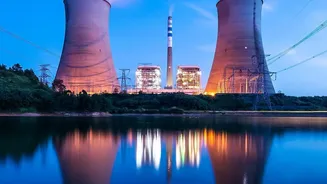
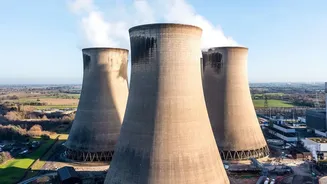
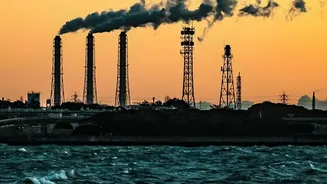
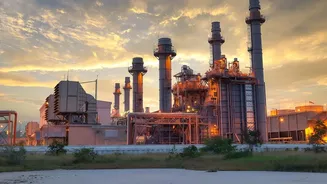
According to the latest “Boom and Bust Coal” report from Global Energy Monitor (GEM), India has significantly expanded its pipeline for new coal capacity. In 2024, the country proposed 38.4 gigawatts (GW) of new coal power, the highest annual figure since
2015. This surge means that India and China together accounted for a staggering 92% of all newly proposed coal power capacity worldwide in 2024. Furthermore, a related GEM report on coal mining shows India nearly doubled its proposed mining capacity in 2025, from 329 million tonnes per annum (mtpa) to 638 mtpa. This increase was so substantial that it drove an 11% rise in the global pipeline for new coal mines, almost single-handedly. Much of this proposed expansion is concentrated in the states of Jharkhand and Odisha.
India's Energy Dilemma
The push for more coal is not happening in a vacuum. It is a direct response to India's soaring energy demand, which is growing faster than any other major economy. The International Energy Agency (IEA) projects India's electricity demand will grow by nearly 7% in 2026 alone. This immense appetite for power is fuelled by rapid economic growth, increasing urbanisation, and the need to provide reliable energy for its 1.4 billion citizens. More frequent and intense heatwaves have also led to record peaks in power consumption, straining the grid and reinforcing the government's focus on energy security. While India has made massive strides in renewable energy, coal remains the backbone of its power system, generating about 75% of the country's electricity. Officials argue that coal provides essential, round-the-clock baseload power that intermittent renewables like solar and wind cannot yet guarantee on their own.
A Tale of Two Energy Policies
India's energy strategy appears contradictory. On one hand, the government is pursuing an ambitious target of installing 500 GW of non-fossil fuel capacity by 2030 and has achieved remarkable growth in solar power. In fact, for the first time in 2025, over half of India's installed power capacity came from non-fossil sources, a milestone reached ahead of schedule. However, installed capacity doesn't equal actual power generation. Due to higher utilisation rates, coal plants still do the heavy lifting. The government's official stance is a “phase down” of coal, not a phase-out. Policymakers see coal as a necessary transitional fuel to ensure stability while the green transition matures. This explains why, even as solar capacity skyrockets, the government continues to support new coal projects, often through state-owned entities.
The Global Context and Climate Concerns
India's coal expansion runs counter to the global trend, where many developed nations are accelerating the retirement of their coal fleets. The IEA has forecast that global coal demand will plateau by 2030, and other analyses show wind and solar overtook coal in the global electricity mix for the first time in 2025. This makes India's large-scale investment in new coal a high-stakes gamble. Environmental groups and energy analysts warn that these new plants risk becoming stranded assets—economically unviable before they can complete their operational lifespan—as the cost of renewables and battery storage continues to fall. By locking in decades of carbon emissions, this new coal capacity also poses a significant challenge to achieving the Paris Agreement's goal of limiting global warming to 1.5°C.