




A Landmark Count
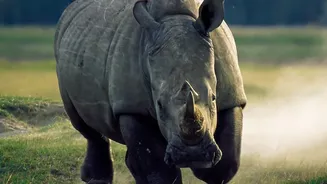
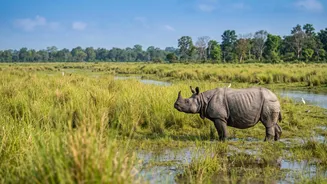
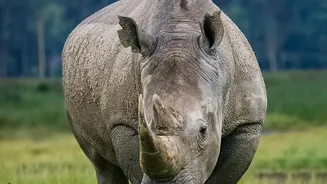
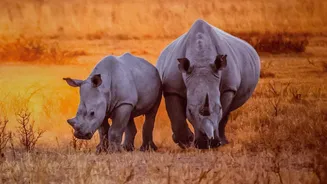
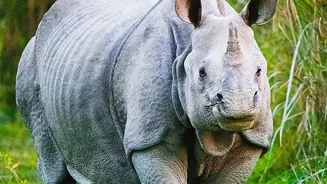
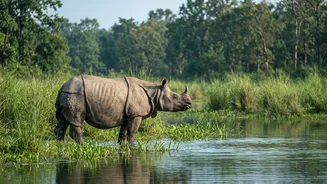
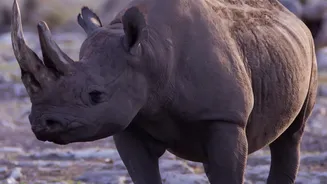
The latest census, conducted in June 2026 by forest personnel and experts from WWF-India, has confirmed the presence of 36 greater one-horned rhinoceroses within Dudhwa's second Rhino Rehabilitation Area (RRA-2). This specific enclosure is a key part
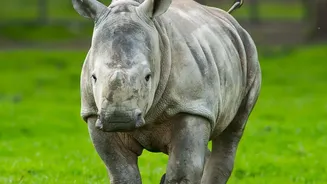
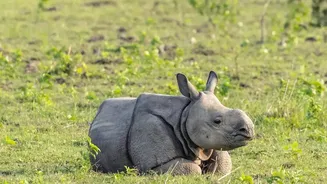
of the park's broader conservation strategy. The overall rhino population in the entire Dudhwa Tiger Reserve has now reached 53, including 17 adult males, 25 adult females, and 11 calves. This figure marks a net increase of five rhinos, a significant achievement considering recent mortalities from territorial fights and tiger predation. The count of 36 in the second enclosure highlights its success as a breeding ground and a safe haven, crucial for the species' long-term survival in the region.
A Journey Four Decades in the Making
The presence of rhinos in Dudhwa today is the result of an ambitious reintroduction program that started back in 1984. Historically, rhinos roamed the Terai grasslands of Uttar Pradesh but were wiped out by the early 20th century due to habitat loss and hunting. In 1979, the IUCN's Asian Rhino Specialist Group recommended establishing new populations within their former ranges. This led to the selection of Dudhwa for a pioneering project. The initial phase in 1984-85 saw the translocation of seven founder rhinos from Assam's Pobitora Wildlife Sanctuary and Nepal's Chitwan National Park. These animals formed the seed population for what has become one of India's most important conservation stories.
From Enclosure to the Wild
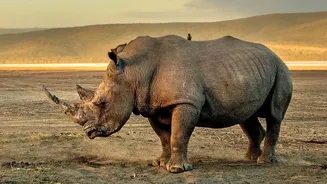
For nearly 40 years, the growing rhino population was carefully managed within two large, fenced enclosures known as Rhino Rehabilitation Areas (RRA-1 and RRA-2). This cautious approach was taken to protect the animals from poaching and human-wildlife conflict near the porous India-Nepal border. However, the long-term goal was always to establish a free-ranging, self-sustaining population. A major milestone was recently achieved with the release of several rhinos from these enclosures into the larger park area. As of July 2026, 11 rhinos are now roaming freely, a move designed to improve genetic diversity, reduce inbreeding, and allow the animals to reclaim their historic habitat. This development not only helps the rhinos but also enhances the entire grassland ecosystem, as they are considered 'ecological engineers'.
Challenges on the Horizon
Despite the remarkable success, the project is not without its challenges. The Terai landscape faces immense pressure from human activities and habitat loss. Within the reserve, natural threats persist. The recent deaths of two calves in conflicts with a dominant male rhino and another rhino killed by tigers underscore the harsh realities of the wild. Protecting the free-ranging rhinos is a new frontier for the park management. It requires intensive monitoring using radio collars and dedicated teams to track their movements, ensure they don't stray into conflict-prone areas, and protect them from poaching, a constant threat in the region. The success of these free-ranging individuals will be crucial in determining the next phase of the conservation plan.
The Path Forward for Dudhwa's Rhinos
The growth of the rhino population to 53 is a validation of decades of hard work, but conservationists are already looking ahead. The Uttar Pradesh government has approved the establishment of two new Rhino Rehabilitation Areas (RRA-3 and RRA-4) to accommodate the growing numbers and further manage the population. The long-term vision is to establish a viable, breeding population outside the fenced areas that can eventually number between 80 to 100 individuals, which scientific assessments suggest the park can support. The successful births of calves in the wild by previously released rhinos signal that this vision is attainable. The Dudhwa story is a powerful example of how sustained, science-based efforts can bring a species back to its ancestral home.