




More Than Just Kitchen Scraps
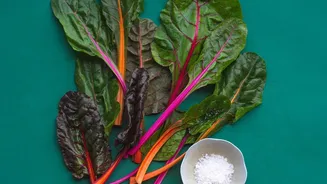
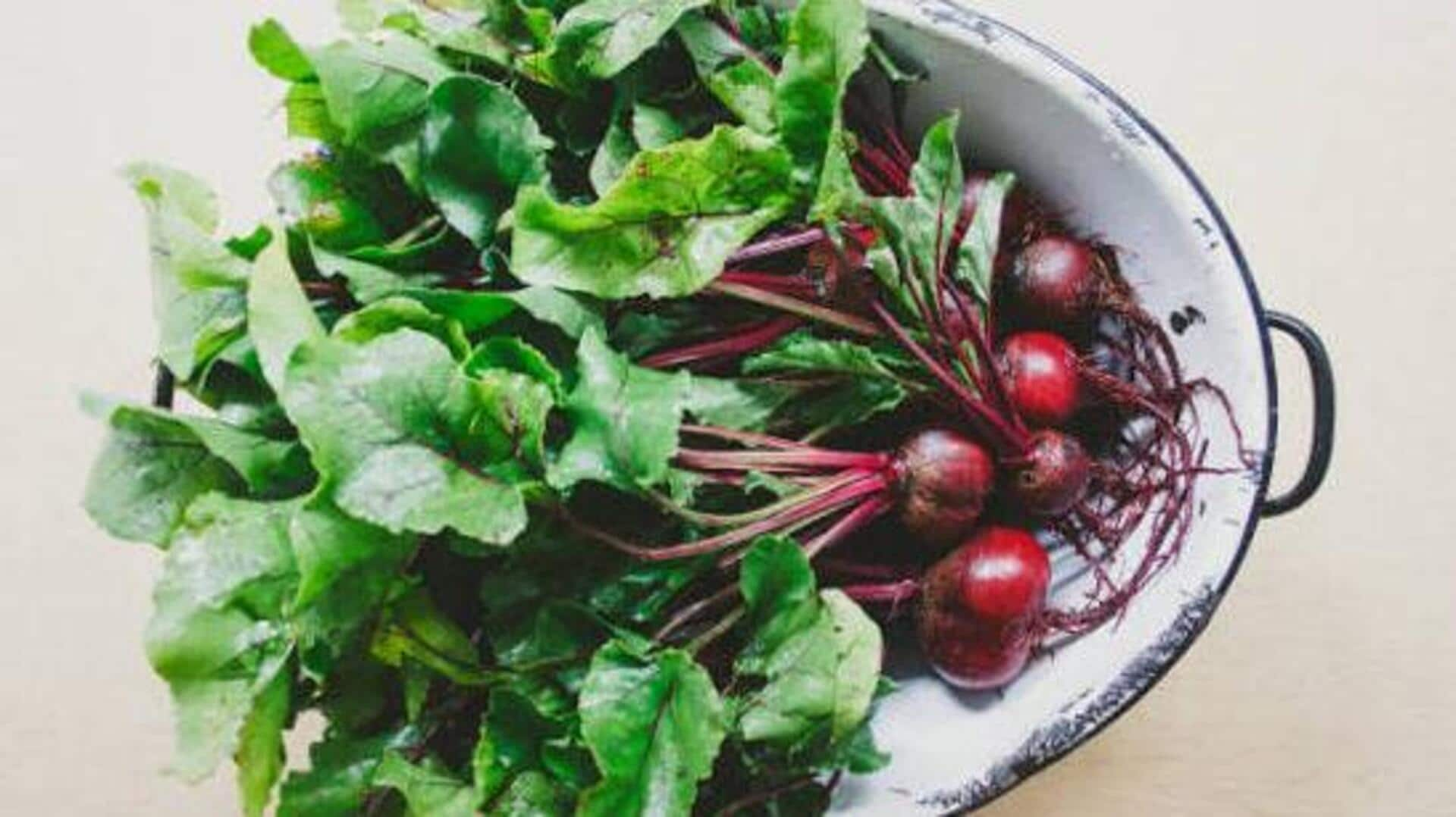
Beet greens are the leafy tops of the beetroot plant, scientifically known as Beta vulgaris. They are in the same family as Swiss chard and spinach, and their flavour is often compared to these more common greens: earthy, mild, and slightly sweet. Despite
being perfectly edible and nutritious, they are frequently trimmed off at the grocery store or discarded at home. This habit often stems from simply not knowing what to do with them or assuming the root is the only valuable part. By treating them as an ingredient rather than waste, you unlock a bonus vegetable you already paid for, making your groceries go further.
A Quiet Nutritional Profile
Without making grand promises, the nutritional resume of beet greens is quietly impressive. They are remarkably low in calories while being a good source of several important vitamins and minerals. They are particularly rich in Vitamin K, which is essential for bone health and proper blood clotting. A single cooked cup offers a significant amount of potassium, a mineral important for regulating blood pressure. You'll also find notable amounts of Vitamin A, crucial for vision and immune function, and Vitamin C, a powerful antioxidant. While they contain iron, it's worth noting they are comparable to spinach in this regard, another leafy green celebrated for its iron content.
A Note on Oxalates
It's important to approach any food with a balanced perspective. Like spinach and Swiss chard, beet greens contain oxalates. These natural compounds can be an issue for individuals prone to certain types of kidney stones. For most people, consuming them in moderation as part of a varied diet is perfectly fine. Lightly cooking the greens can also help reduce their oxalate content. This is not a reason to avoid them entirely, but rather to be mindful, especially if you have pre-existing health conditions that require oxalate restriction.
Putting Them to Use in the Kitchen
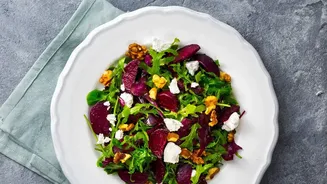
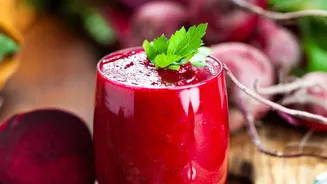
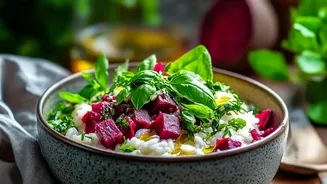
The best part about beet greens is how easy they are to incorporate into meals. Their stems are also edible; just chop them finely and cook them for a minute or two before adding the leaves, as they are firmer. The simplest preparation is to sauté them with a bit of olive oil and garlic, just as you would with spinach. They wilt down beautifully, making them a great addition to soups, stews, and pasta dishes. For a quick breakfast, fold them into an omelette or scrambled eggs. If the leaves are young and tender, they can even be used raw in salads or blended into smoothies, adding a nutrient lift without an overpowering taste.
A Win for Your Wallet and the Planet
Ultimately, the case for beet greens is a practical one. Using the entire vegetable is a fundamental way to reduce food waste in your own kitchen. Globally, a tremendous amount of food is wasted every year, and using parts like beet tops is a small but meaningful step toward a more sustainable habit. It's also an economic win. You're getting two distinct vegetables—the root and the greens—for the price of one. Instead of buying a separate bag of spinach or kale, you can simply use the tops from the beets you were already planning to roast or pickle, stretching your food budget and adding variety to your meals.