






Decoding Nutrient-Dense Foods
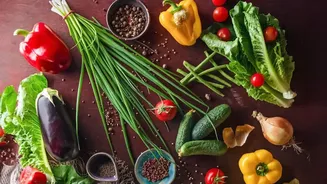
First, let's clarify what 'nutrient-dense' means. It refers to foods that are rich in vitamins, minerals, and other beneficial compounds, with relatively few calories. In the Indian context, this isn't about expensive, imported 'superfoods'. It's about staples
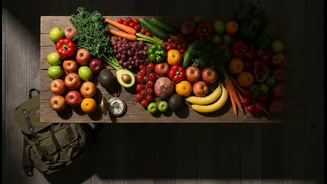
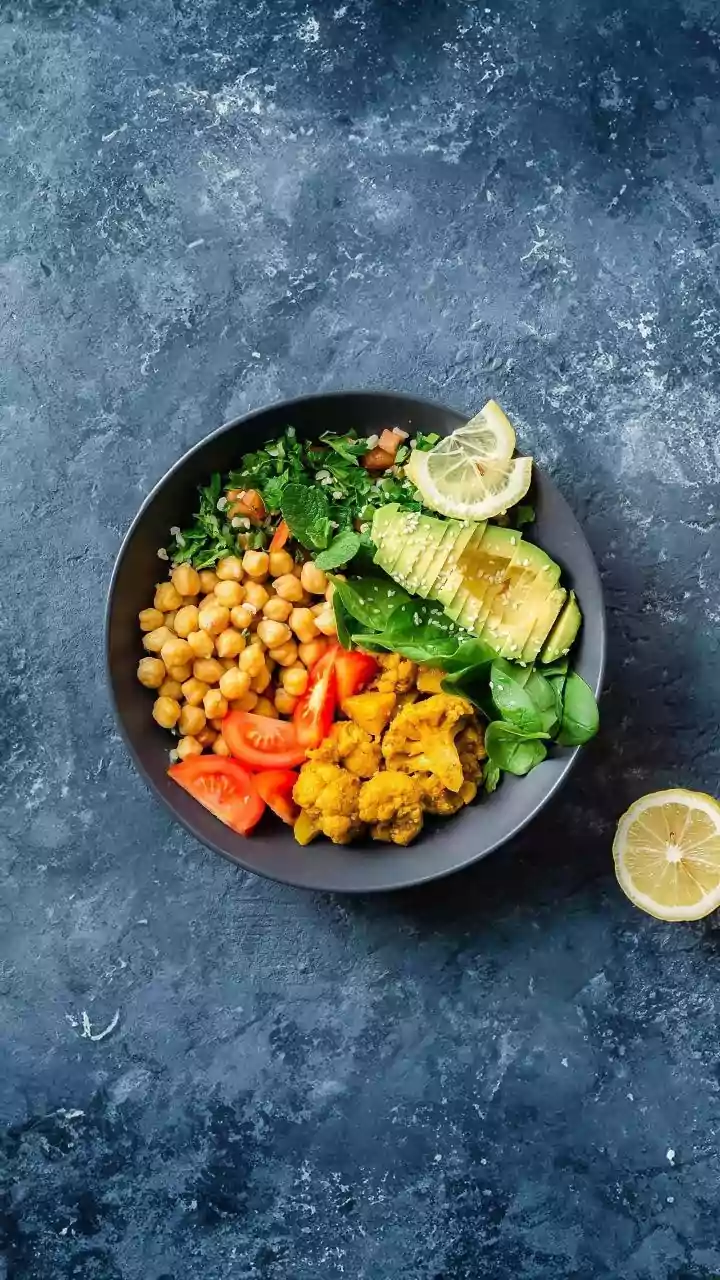
like millets (ragi, bajra), pulses (dal), legumes, and a rainbow of seasonal, local vegetables and fruits. Think of spinach, which is packed with folate and iron, mung beans that are a great source of protein, or the humble amla, bursting with Vitamin C. These foods are the foundation of a healthy diet, providing the essential building blocks for growth, energy, and a strong immune system. The opposite is 'calorie-dense, nutrient-poor' food, such as many packaged snacks and sugary drinks, which offer energy but little else.
The Double Hurdle of Cost and Access
The word 'affordable' is where the problem gets tricky. It's not just about the price tag on a single item. For many families, when budgets are tight, the first items to be cut are often the most nutritious ones like fresh vegetables, fruits, and dairy. This is because calorie-dense processed foods can seem cheaper and more filling. However, the bigger, often invisible, hurdle is access. You can't eat what you can't get. In many urban slums and remote rural areas, fresh, high-quality produce is simply not available on a consistent basis. These 'food deserts' mean residents are reliant on whatever is sold locally, which may be limited to non-perishable, processed goods. This lack of access is compounded by poor infrastructure, fractured supply chains, and inadequate storage facilities.
The Economic Toll of Poor Nutrition
The consequences of inconsistent access to nutritious food ripple outwards, impacting not just individual health but the entire national economy. Malnutrition is estimated to cost India a significant percentage of its GDP annually through lost productivity and increased healthcare costs. A person who is undernourished is more susceptible to illness, leading to more sick days and lower work capacity. For children, the effects are even more devastating, leading to stunting, cognitive delays, and poorer performance in school, which perpetuates a cycle of poverty. This creates a productivity trap: poor nutrition leads to lower earnings, which in turn restricts a family's ability to afford healthy food. Investing in nutrition isn't a welfare cost; it is a direct investment in human capital and economic development.
Forging a Path to Nutritional Security
Tackling this challenge requires a multi-pronged approach. At the national level, India has several large-scale initiatives. The Public Distribution System (PDS) aims to provide subsidised food grains, while schemes like the Mid-Day Meal and ICDS (Integrated Child Development Services) target the nutritional needs of children and mothers. Programmes like POSHAN Abhiyaan are designed to improve nutritional outcomes across the country. However, implementation challenges, funding gaps, and logistical hurdles often limit their effectiveness. Enhancing these systems to include more nutrient-dense items like millets and pulses, and ensuring they reach the most vulnerable, is crucial. For instance, strengthening Anganwadi centres and improving supply chains to both rural and urban areas can make a significant difference.
What Can Individuals and Communities Do?
While systemic change is essential, there are steps individuals and communities can take. Prioritising local and seasonal produce is often more affordable and nutritious. Learning to cook simple, balanced meals using traditional ingredients like dal, whole grains, and vegetables can stretch a budget further than relying on pre-packaged foods. Community-level initiatives also show great promise. Kitchen gardens, even in small urban spaces, can supplement a family's diet with fresh produce. Supporting local farmers and cooperatives helps build more resilient local food systems. By making conscious choices as consumers and advocating for better food policies, we can all contribute to building a future where everyone has consistent access to the nutritious food they need to thrive.