




The New Rules: Comfort and Versatility
For many young people, the decision to sidestep a heavy lehenga or cumbersome saree is a practical one. Comfort has become a top priority for a generation that grew up in an era where activewear became everyday wear. They are less willing to spend hours
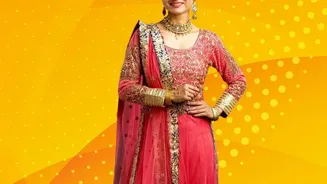
in restrictive, elaborate outfits that are difficult to manage, especially during long festival days. This has led to a surge in demand for lighter, more breathable fabrics like cotton, georgette, and linen blends that allow for movement and dancing. The goal is no longer to wear an outfit for a single occasion but to invest in versatile pieces that can be styled for a campus visit, a family dinner, or a festive party. This shift dismantles the old framework where ethnic wear was reserved only for special events, integrating it into daily life.
Individuality Over Uniformity
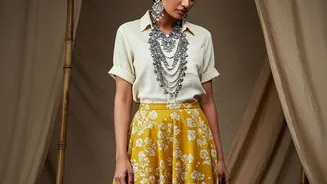
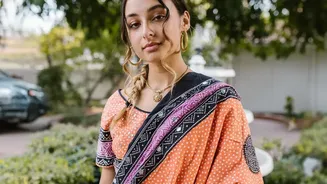
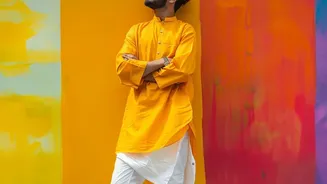
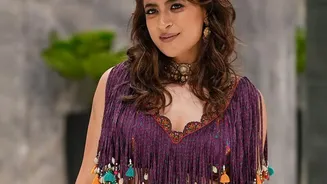
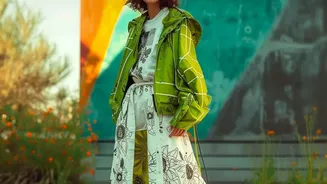
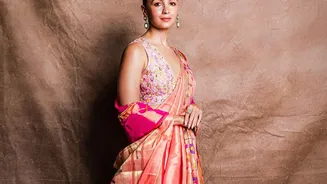
Beyond comfort, this trend is fundamentally about self-expression. For Gen Z, clothing is less about meeting social expectations and more about declaring who they are. While traditional outfits are beautiful, they can sometimes feel like a uniform. The new wave of festive dressing allows for a more personal stamp. This is where Indo-Western fusion wear thrives. Think of pairing a traditional hand-block print skirt with a contemporary crop top, styling a kurta with ripped jeans, or belting a saree to give it a modern silhouette. These combinations are a form of creative expression, allowing individuals to honor their heritage on their own terms rather than simply conforming to tradition.
The Anatomy of a Modern Festive Look
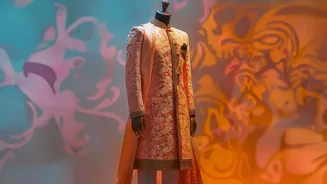
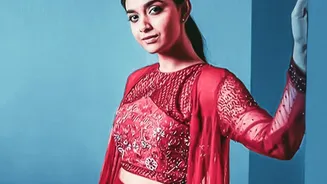
So, what are these new festive staples? Co-ord sets—matching tops and bottoms, often in ethnic prints—have become incredibly popular for their chic, put-together feel without the formality of a full suit. Draped saree-gowns, dhoti-style pants, and lehengas paired with jackets instead of dupattas offer a blend of Indian aesthetics with Western silhouettes. Halter necks and corset-style tops in traditional prints are replacing conventional blouses, demonstrating how the silhouette is now as important as the fabric or embellishment. These styles are not about rejecting Indian craftsmanship but about applying it to cuts that feel liberating and current.
A Conscious Closet
This sartorial shift is also linked to a growing consciousness around sustainability. Young consumers are increasingly moving away from mass-produced fast fashion and showing a greater appreciation for artisanal craftsmanship and timeless designs. They are more likely to support smaller, homegrown brands that champion ethical production, use natural dyes, and work with handloom textiles. There's also a rising interest in upcycling, such as turning a mother's old silk saree into a modern dress or co-ord set. This approach values clothing with a story and a smaller environmental footprint, making festive dressing more meaningful and less disposable.