





The Heart of the Matter: A National Health Crisis
India is facing a growing epidemic of non-communicable diseases (NCDs), with hypertension (high blood pressure) and cardiovascular disease leading the charge. An estimated 199 million Indians live with high blood pressure, and high salt intake is a primary
culprit, contributing to approximately 175,000 deaths annually. The average Indian consumes 8 to 11 grams of salt per day, which is nearly double the World Health Organization's (WHO) recommended limit of 5 grams. This excessive sodium intake places immense strain on the cardiovascular system, increasing the risk of heart attacks, strokes, and kidney disease. Recognizing this urgent public health challenge, India has committed to a 30% reduction in sodium intake by 2030.
What Is the Expert Proposal?
A panel of 29 leading Indian medical experts, including cardiologists, nephrologists, and public health specialists, has put forth a significant recommendation. They advocate for integrating low-sodium salt substitutes (LSSS) into India’s national strategy to reduce hypertension. The proposal urges that these substitutes, specifically potassium-enriched iodised salt, be formally recognised as an 'edible salt' category by the Food Safety and Standards Authority of India (FSSAI). The goal is to make these healthier alternatives a mainstream choice for households across the country, given that nearly 80% of sodium in the Indian diet comes from salt added during home cooking.
Understanding Low-Sodium Salt
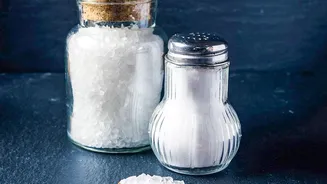
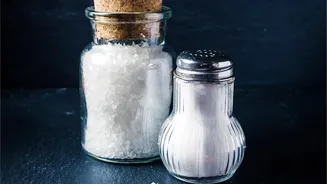
So, what exactly is a low-sodium salt substitute? It’s a reformulated version of regular table salt where a portion of the sodium chloride (NaCl) is replaced with potassium chloride (KCl). Typically, these substitutes contain about 70-75% sodium chloride and 25-30% potassium chloride. The result is a product that looks, tastes, and can be used in cooking just like conventional salt, but with a powerful dual health benefit: it lowers the intake of harmful sodium while simultaneously increasing the consumption of potassium, a mineral known to help lower blood pressure.
The Science-Backed Benefits
The recommendation isn't just a hopeful suggestion; it's backed by robust scientific evidence. Large-scale international studies have demonstrated that switching to potassium-enriched salt can significantly reduce the risk of stroke by 14%, major cardiovascular events by 13%, and overall mortality by 12%. A randomized controlled trial conducted in rural India also showed a notable reduction in systolic blood pressure among participants using the substitute. Experts suggest the impact of this simple switch could be comparable to that of first-line blood pressure medications. It tackles two problems at once by cutting down on excess sodium and boosting potassium, a nutrient in which Indian diets are often deficient.
Hurdles on the Path Forward
Despite the clear benefits, several challenges stand in the way of widespread adoption. Public and even physician awareness remains low, with many doctors still advising patients to simply 'eat less salt' rather than consider a substitute. Cost is another factor. While one expert on the panel noted the price difference could be as little as 25 paise more per day, this can still be a barrier for many households. Availability is also a concern, as these substitutes are often found in supermarkets but are scarce in the small 'kirana' stores where a majority of Indians shop. For the proposal to succeed, it will require a concerted effort involving government regulation for clear labelling, public awareness campaigns, and ensuring the product is both affordable and widely accessible. There are also important safety considerations, as individuals with advanced kidney disease or those on specific medications should avoid increased potassium intake.