






How Gentle Movement Helps Your Gut
Yoga's benefits for digestion are twofold. Firstly, certain poses physically massage the abdominal organs, which can stimulate movement within the intestines and help relieve issues like bloating and constipation. Twists and forward folds, in particular,
apply gentle compression that enhances circulation and encourages the digestive process. Secondly, yoga helps calm the nervous system. Stress is a well-known trigger for digestive upset, and by activating the 'rest and digest' response through deep breathing and mindful movement, yoga can create a more favourable environment for healthy gut function.
1. Cat-Cow Pose (Marjaryasana-Bitilasana)
This dynamic movement is a perfect warm-up that gently massages your internal organs. The alternating arching and rounding of the spine stimulates the abdomen and intestines, which can help get things moving and relieve minor discomfort. It’s a foundational pose known for waking up the spine and improving blood flow to your digestive system.How to do it: Start on your hands and knees in a tabletop position, with wrists under shoulders and knees under hips. As you inhale, drop your belly, lift your chest and tailbone, and gaze forward into Cow Pose. As you exhale, round your spine toward the ceiling, tuck your chin to your chest, and press the mat away for Cat Pose. Continue flowing between the two poses for 8-10 breaths.
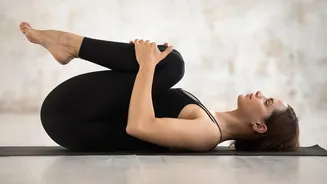
2. Wind-Relieving Pose (Ardha Pawanmuktasana)
The name says it all. This pose is renowned for its ability to help release trapped gas from the digestive tract, easing bloating and abdominal pressure. By hugging one knee at a time towards the chest, you apply gentle, targeted pressure to the ascending and descending colon, which can stimulate bowel function and provide significant relief.How to do it: Lie on your back with both legs extended. Exhale and draw your right knee into your chest, clasping your hands around your shin. Keep your left leg extended and relaxed on the floor. Hold for 30-60 seconds, breathing deeply into your belly. Release and repeat on the left side. Following the right-then-left sequence is thought to work with the natural direction of your digestion.
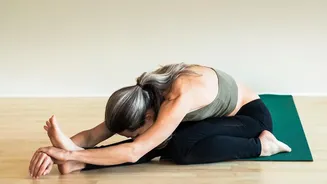
3. Seated Forward Bend (Paschimottanasana)
This calming forward fold provides a gentle compression of the abdomen, which massages digestive organs like the liver and intestines. This action stimulates digestive 'fire' (agni) and can improve circulation to the entire gut. Beyond the physical benefits, forward folds are known to calm the nervous system, reducing the stress that can often contribute to digestive woes.How to do it: Sit on the floor with your legs extended straight in front of you. You can sit on the edge of a folded blanket to help tilt your pelvis forward. Inhale to lengthen your spine, and as you exhale, hinge forward from your hips, not your waist. Walk your hands forward along your legs, stopping wherever is comfortable. Keep a slight bend in your knees to avoid straining your hamstrings. Hold for 5-8 deep breaths.
4. Supine Spinal Twist (Supta Matsyendrasana)
Twisting poses are excellent for stimulating the digestive system. A gentle reclining twist like this one can help improve intestinal motility, aiding in the elimination of toxins and relieving constipation. It's like wringing out a cloth—the twisting action encourages fresh blood flow to your abdominal organs when you release, which supports their function.How to do it: Lie on your back and hug your knees into your chest. Extend your left leg straight onto the mat. Guide your right knee across your body to the left side, letting it rest on the floor or a cushion. Open your right arm out to the side at shoulder height and turn your gaze to the right, if comfortable for your neck. Hold for 30-60 seconds, then gently return to the centre and repeat on the other side.
5. Thunderbolt Pose (Vajrasana)
This is one of the very few yoga poses that is highly recommended to practice directly after a meal. Sitting in this kneeling position helps to increase blood flow to the digestive organs while reducing it in the legs. This redirection of energy is believed to enhance the digestive process, making it a powerful tool against indigestion, acidity, and bloating.How to do it: Kneel on the floor with your knees together. Your big toes should touch, and your heels should be slightly apart. Lower your buttocks to sit on your heels, resting them in the space between. Place your hands on your thighs with your palms down and keep your spine straight. Start by holding the pose for 1-2 minutes and gradually increase to 5-10 minutes, especially after meals.