







A Tale of Two Futures
The report, titled 'Hidden Assets: The Economic and Health Case for Climate and Clean Air Action', presents two distinct paths for Delhi. Released by the UN Environment Programme (UNEP) and the Climate and Clean Air Coalition (CCAC), its central finding
for the capital is a projection: Delhi can reduce its cumulative PM2.5 exposure burden by 20 percent by the year 2040. This positive outcome, however, is tethered to a significant condition. The reduction is only possible if the city meets its current national air quality standards on schedule, starting from 2026. It's a clear signal that the goals are achievable, but the timeline is not flexible.
The Key Qualification: The Cost of Delay
Here lies the critical qualification that defines the report's true message. The authors project that, on average, implementation of such environmental policies globally is delayed by approximately eight years due to factors like institutional barriers. If Delhi follows this trend and experiences an eight-year delay, the potential gains are cut in half. An eight-year delay means the reduction in PM2.5 exposure by 2040 would drop from 20 percent to just 10 percent. This isn't just a statistical downgrade; it represents a massive increase in health risks and economic costs over the period, essentially forfeiting half of the potential benefits. This 'cost of delay' is the central warning of the UN's assessment.
Why This Nuance Matters
Framing the report as simply 'more bad news' misses the point. The qualification shifts the conversation from a sense of hopelessness to one of agency and consequence. It argues that the tools and policies to meaningfully improve air quality exist, but their effectiveness is acutely time-sensitive. The report identifies institutional barriers as the single largest contributor to these delays globally. For Delhi, this puts the onus squarely on coordinated and timely action from all levels of government and regulatory bodies. The message is not that the fight is lost, but that every year of inaction has a measurable, detrimental impact on public health and the economy. The UNEP report emphasizes that strengthening enabling conditions—be they economic, social, or institutional—can help implement solutions up to a decade sooner.
The Bigger Picture for Delhi
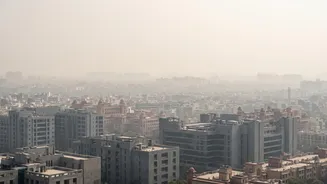
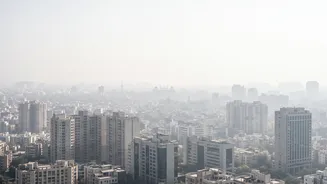
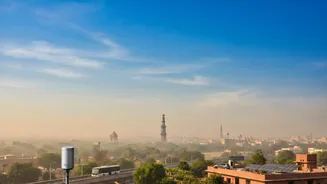
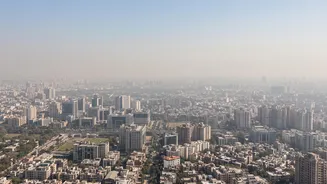
This UN report arrives in a context of ongoing struggle and incremental change. For years, Delhi has battled with multiple pollution sources, including vehicular emissions, industrial output, construction dust, and seasonal stubble burning. Reports from as recently as early 2026 have highlighted governmental efforts to create a unified assessment of pollution sources, with transport and secondary particulates being major contributors. The UNEP assessment doesn't override these realities but rather provides a forward-looking economic and health-based argument for accelerating the solutions. It frames clean air not as a cost but as an asset, suggesting that for every dollar invested in integrated climate and air pollution measures, the return on investment can be substantial. The report's warning about implementation delays serves as a critical reminder that having policies on paper is only the first step in a long and urgent race against time.