



The Hills Are Alive With Colour
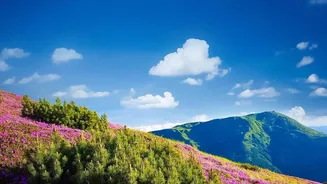
The long wait is officially over. Across the shola grasslands of Munnar, a natural spectacle that unfolds only once every 12 years for a given plant population is currently underway. The Neelakurinji, or Strobilanthes kunthiana, has begun to flower, transforming
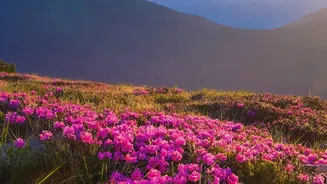
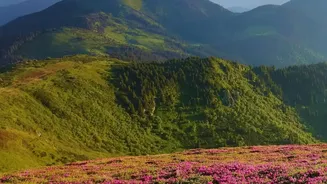
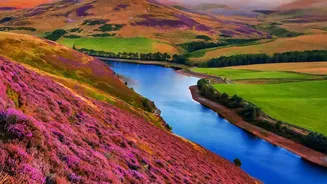
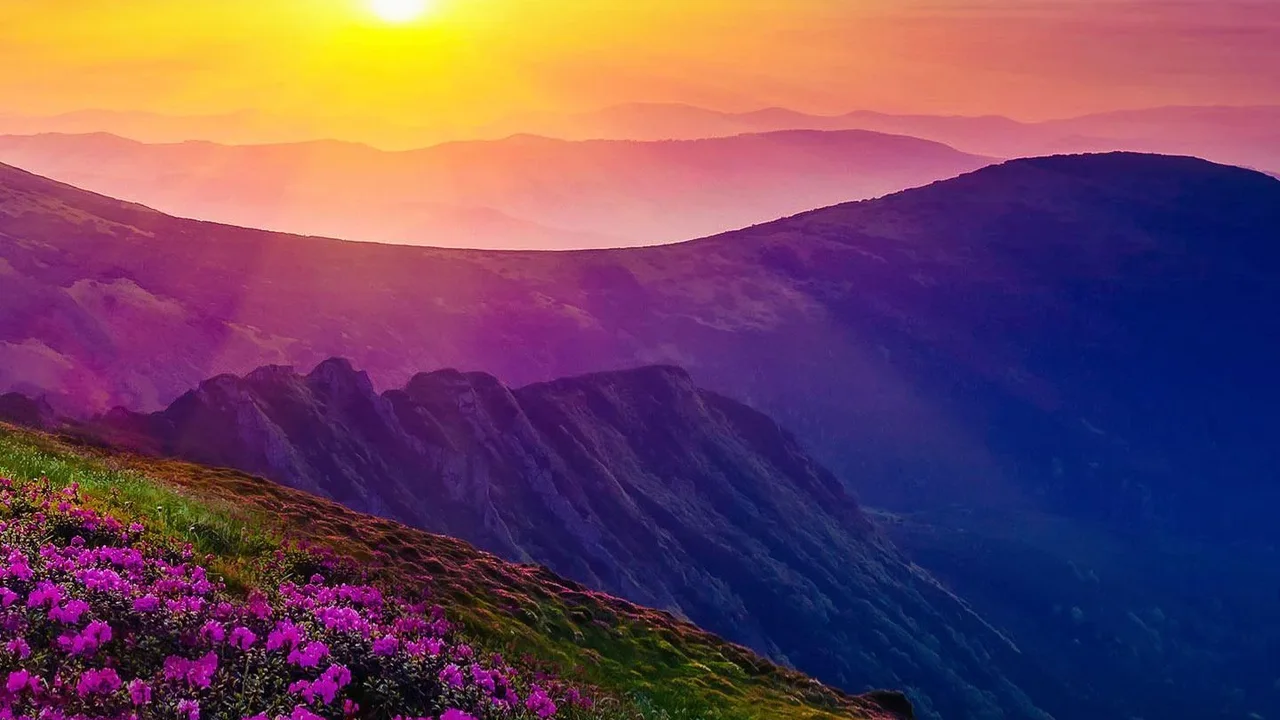
vast stretches of the Western Ghats into a breathtaking carpet of purple and blue. Reports confirm that the bloom started in August and is expected to reach its peak in September and October 2026. This year, the main event is concentrated around the Korandakadu, Chokramudi, and Mattupetty hills, offering a stunning visual feast for nature lovers and photographers who have gathered to witness the phenomenon.
Why This Bloom Is So Special
What makes the Neelakurinji so remarkable is its unusual life cycle, a phenomenon known as gregarious flowering. The plant is monocarpic, meaning it flowers just once in its lifetime before scattering its seeds and dying. This synchronized mass blooming is believed to be an evolutionary survival strategy, overwhelming seed predators and ensuring the continuation of the species. For twelve long years, the shrub grows quietly on the high-altitude grasslands, waiting for its moment to burst into colour. The name itself, derived from the Tamil words ‘neela’ (blue) and ‘kurinji’ (flower), is a nod to its iconic colour that famously gave the Nilgiri Hills, or ‘Blue Mountains,’ their name.
Two Clocks Ticking in the Same Hills
Many travellers associate Munnar’s Neelakurinji bloom with Eravikulam National Park, which saw its last major flowering in 2018. However, it's important to know that different populations of the flower across the Western Ghats operate on different 12-year clocks. The current 2026 bloom is happening in a separate region, primarily around Chokramudi and Mattupetty, which last flowered in 2014. So, while the famous Eravikulam bloom is still on schedule for 2030, this year offers a unique and separate opportunity to witness the magic. This distinction has clarified confusion and highlighted the incredible diversity of the region's ecosystems, where multiple cycles coexist.
A Welcome Boost for Tourism
The return of the Neelakurinji is a significant event for local tourism, which is bracing for a surge of visitors. After the formal inauguration of the season in late August, authorities have been preparing to manage the influx. Areas like Chokramudi were opened to visitors on August 24, with forest officials anticipating the bloom will spread to higher altitude slopes like Meesapulimala as the season progresses. The event is a boon for the entire region, attracting domestic and international tourists eager for a chance to see the rare spectacle. For many local communities, the bloom is a culturally auspicious and economically vital time.
Viewing Responsibly and Protecting a Treasure
This natural wonder unfolds in a fragile ecosystem. The Neelakurinji plant is endemic to the Western Ghats and was recently classified as a 'Vulnerable' species by the IUCN, facing threats from habitat loss and climate change. In light of this, authorities are emphasizing the need for responsible tourism. Visitors are urged not to pluck the flowers or stray from designated paths. The areas are strictly no-plastic zones, and there are penalties for damaging the plants; two youths were recently booked for uprooting the protected flowers. By respecting these guidelines, visitors can help ensure that this incredible 12-year cycle continues for generations to come, safeguarding the very magic they have come to see.