







The Invisible Attack on Your Skin
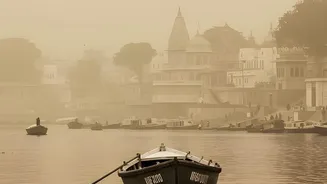
You can’t always see it, but your skin feels it daily. Microscopic pollutants, including particulate matter (PM), ozone, and traffic-related fumes, are constantly settling on your skin. These particles are often smaller than your pores, allowing them
to penetrate the skin's outer barrier. Studies have shown that people living in areas with higher pollution levels can show more signs of skin ageing, such as dark spots and wrinkles, compared to those in cleaner environments. This isn't just about surface dirt; it's a deeper cellular issue.
How Pollution Triggers Premature Ageing
When pollutants invade the skin, they trigger a process called oxidative stress. This is an imbalance caused by an army of unstable molecules called free radicals that attack healthy skin cells. This assault has several damaging effects, according to dermatologists. It leads to the breakdown of collagen and elastin, the essential proteins that keep skin firm and plump, resulting in wrinkles and sagging. Furthermore, research shows pollution can increase enzymes that degrade the skin's matrix and decrease its natural collagen content, a double blow to its structural integrity. This damage is often made worse when combined with sun exposure, creating a 'photopollution' effect that speeds up the ageing process.
The Telltale Signs Doctors See
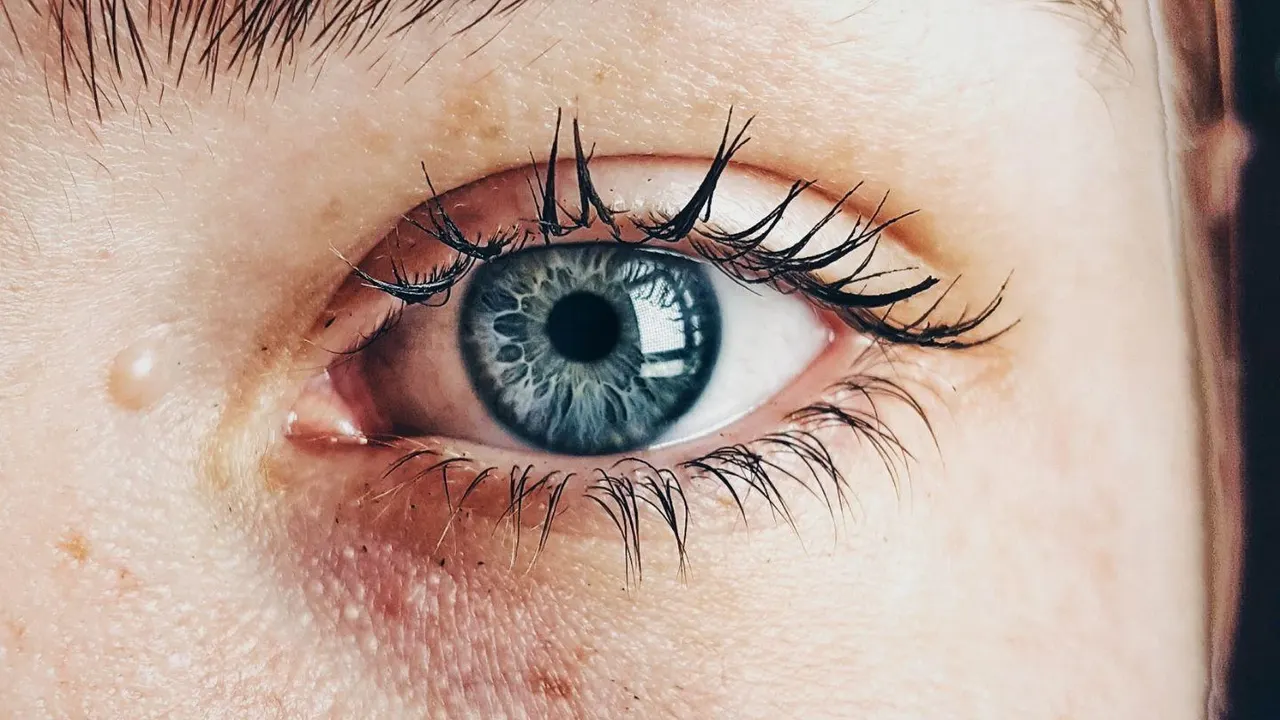
The effects of pollution aren't just theoretical; they manifest as visible changes that doctors are increasingly linking to environmental exposure. One of the most common signs is hyperpigmentation, or the formation of dark spots, also known as age or liver spots. Studies have specifically connected exposure to traffic-related soot and particles with a higher number of pigment spots on the cheeks and forehead. Beyond spots, doctors also point to a loss of elasticity, increased fine lines, dryness, and a generally dull complexion as consequences of long-term exposure to polluted air. In some cases, it can also worsen inflammatory conditions like eczema and acne.
Your First Defence: A Thorough Cleanse
The single most important first step in any anti-pollution skincare routine is cleansing. Removing the pollutant particles that have accumulated on your skin throughout the day is crucial. Many dermatologists recommend a double-cleansing method in the evening, especially for those living in urban areas. This involves first using an oil-based cleanser to dissolve makeup and oily impurities, followed by a gentle, water-based cleanser to wash everything away. This ensures that you effectively remove the tiny particles that can clog pores and trigger inflammation without stripping your skin's natural barrier.
The Power of Antioxidants
Since pollution causes damage through free radicals, your best defence is a strong offence using antioxidants. These powerful ingredients neutralize free radicals before they can harm your skin cells. Vitamin C is a highly recommended antioxidant that helps protect against oxidative damage and can brighten the skin. Other key antioxidants that doctors and skincare experts suggest include Vitamin E, niacinamide (Vitamin B3), ferulic acid, and green tea extract. Applying a serum with these ingredients in the morning provides a protective shield that works all day to fight off environmental stressors.
Shield Your Skin from Sun and Pollutants
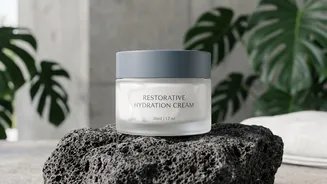
Sunscreen is non-negotiable. Doctors stress that UV radiation and pollution have a synergistic effect, meaning they are more damaging together than either one is alone. Therefore, applying a broad-spectrum sunscreen with an SPF of 30 or higher every single day is essential for protecting against premature ageing. Some modern sunscreens are even formulated to offer protection against pollution as well. Alongside sunscreen, using moisturisers rich in ingredients like ceramides and hyaluronic acid helps strengthen your skin's natural barrier, making it harder for pollutants to penetrate in the first place.