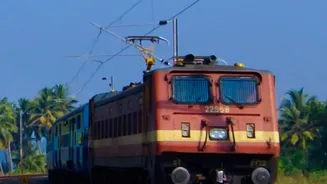








The Blueprint for Expansion
The Cabinet Committee on Economic Affairs (CCEA) has approved three major multi-tracking projects with a combined investment of ₹10,783 crore. These projects will add approximately 656 kilometres of new railway lines across West Bengal, Jharkhand, Odisha,
Madhya Pradesh, and Chhattisgarh. The specific initiatives include the construction of a fourth line between Kharagpur and Jharsuguda, another fourth line from Katni to Pendra Road, and a third line connecting Bilaspur with Pendra Road. The expansion is a strategic move to increase the capacity of the existing network, rather than building entirely new routes, to improve efficiency on critical corridors. This major upgrade is scheduled for completion by the 2029-30 fiscal year.
Why These Five States?
The selection of these five states is rooted in a strategic focus on bolstering India's industrial and mineral transport capabilities. The corridors passing through West Bengal, Jharkhand, Odisha, Madhya Pradesh, and Chhattisgarh are vital for the movement of essential commodities like coal, cement, iron, and steel. By adding more tracks, the government aims to alleviate heavy congestion on these freight-intensive routes, which are part of India's broader industrial supply chain. This capacity augmentation is expected to handle an additional 27 million tonnes of freight traffic annually, directly supporting the core sectors of the economy and reducing logistics bottlenecks.
Connecting Villages and Boosting Livelihoods
Beyond industrial freight, the project has a significant social dimension. The expansion will directly improve connectivity for approximately 4,790 villages, benefiting a combined population of around 56 lakh people across 14 districts. For residents in these areas, the upgraded railway infrastructure means easier and more reliable travel to major towns and cities. This improved access connects them to better markets, educational institutions, healthcare facilities, and employment opportunities. The initiative is also expected to stimulate local economies by facilitating the movement of both people and goods, potentially creating jobs and supporting self-employment in smaller towns and rural areas.
A Boost for Tourism and Pilgrimage
The new railway lines are also set to make several important religious, cultural, and tourist destinations more accessible. Places expected to benefit from enhanced connectivity include the Taratarini Temple, Shri Kshetra Jagannath Temple near Jharsuguda, Bandhavgarh Tiger Reserve, and the Amarkantak Temple, among others. By improving rail access, particularly during peak travel seasons, the government aims to encourage tourism and pilgrimage. This focus aligns with a broader strategy to leverage infrastructure development to promote regional heritage and wildlife tourism.
Navigating the Road Ahead
While the approval marks a significant milestone, the path to completion involves navigating several common challenges in large-scale infrastructure projects. Securing land and obtaining necessary clearances are often complex and time-consuming processes in India. The projects are being planned under the PM Gati Shakti National Master Plan, which aims to streamline development through integrated planning and stakeholder consultation to avoid such hurdles. Ensuring the massive financial outlay is effectively managed to prevent cost and time overruns will also be critical for the successful execution of this ambitious plan.