



A Nutritional Powerhouse in Every Bite
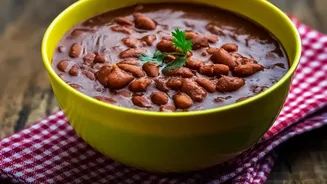
At its core, rajma is a humble red kidney bean, but its nutritional profile is anything but ordinary. Celebrated as an excellent source of plant-based protein, it’s a go-to for vegetarians and anyone seeking to build and repair muscle. A single serving
delivers a significant protein punch, making it incredibly filling and effective for weight management. The high content of dietary fibre is another key benefit. This combination of protein and fibre keeps you feeling full and satisfied for longer, reducing the urge to snack between meals. The fibre also aids in promoting good digestive health and ensuring regular bowel movements. Furthermore, rajma has a low glycemic index, meaning it releases energy slowly and helps regulate blood sugar levels, preventing the sharp spikes that can follow other carbohydrate-rich meals.
The Soul of North Indian Flavours
What transforms the simple kidney bean into the iconic dish of rajma is the masterful blend of Indian spices. The flavour journey begins with a base of slowly sautéed onions, ginger, and garlic, which creates a rich, aromatic foundation. A thick, tangy gravy is built upon this using tomatoes. From there, a symphony of spices is introduced. Common players include turmeric for its earthy notes and vibrant colour, coriander powder for its mild warmth, and cumin for its distinct aroma. Many recipes feature a signature 'tadka' or tempering of whole spices like bay leaves, cinnamon, and cloves bloomed in hot oil. A pinch of garam masala is often added towards the end to lend a final layer of complex, fragrant warmth, while kasoori methi (dried fenugreek leaves) can provide a unique, slightly bittersweet finish. This careful layering of flavours is what makes rajma so deeply comforting and unmistakably Indian.
More Than a Meal, It's a Tradition
Rajma chawal holds a special place in the heart of North Indian culture, particularly in Punjab, Delhi, and Jammu. It is the quintessential Sunday lunch, a ritual that brings families together for a leisurely, satisfying meal. Its status as 'ghar ka khana' (home food) makes it a symbol of comfort, nostalgia, and maternal care. Many who live away from home associate the dish with warmth and a cure for homesickness. Beyond the family dining table, rajma chawal is also a hero of roadside dhabas, where it offers a cheap, nourishing, and incredibly filling meal for truckers and travellers on long journeys. Its ability to be both a celebrated family tradition and a practical, everyday source of sustenance is a testament to its cultural significance.
A Surprising Journey to the Indian Kitchen
Despite its deep integration into Indian cuisine, the kidney bean is not native to the subcontinent. Its story begins thousands of years ago in Central and South America, particularly in regions of modern-day Mexico and Peru. The bean was introduced to Europe by Spanish and Portuguese traders following the Columbian Exchange and eventually made its way to India through these colonial trade routes in the 16th century. While it arrived centuries ago, it was Indian cooks who truly transformed the bean, embracing it and adapting it with local spices and cooking techniques to create the dish we know today. It found a particularly suitable growing climate in the cooler Himalayan regions like Jammu, Himachal Pradesh, and Uttarakhand, which now produce some of the most prized local varieties. The popularisation of the pressure cooker in the mid-20th century further cemented its place, making the once slow-cooked legume an accessible meal for any day of the week.