



The Magic is Called Emulsion
The secret behind toum’s transformation lies in a scientific process called emulsification. An emulsion is a mixture of two liquids that don’t normally combine, like oil and water. In toum, the “water” component comes from lemon juice and the moisture
within the garlic itself. The magic happens when oil is introduced to this base incredibly slowly while being blended at high speed. The force of the blender breaks the oil down into microscopic droplets, which then become suspended within the lemon juice and garlic mixture. This process is similar to how mayonnaise is made, but instead of egg yolks, toum relies on a more surprising ingredient to hold everything together: garlic.
Garlic: The Unsung Hero of Stability
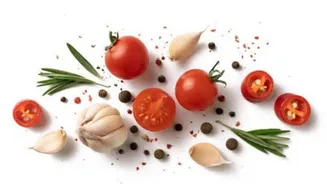
While we love it for its pungent flavour, garlic has another hidden talent: it’s a natural emulsifier. When garlic cloves are crushed in a food processor, compounds within their cell walls are released. Specifically, a compound called allicin, which gives garlic its sharp bite, also has properties that help bond oil and water. The salt in the recipe does more than just add flavour; it acts as an abrasive, helping to break down the garlic more thoroughly and draw out its moisture, creating a better base for the emulsion to form. Freshly squeezed lemon juice is also crucial, as its acidity helps to stabilize the mixture and balances the strong flavour of the raw garlic.
Why it's So White and Fluffy
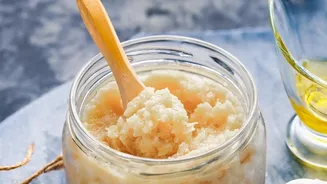
Toum’s snowy white appearance is a direct result of the emulsification process. The oil you start with may be golden, but as it’s broken down into countless microscopic droplets, it changes how light passes through it. Instead of light travelling straight through, it gets scattered by the tiny, suspended oil particles, resulting in a sauce that appears opaque and bright white. Using a neutral-flavoured, light-coloured oil like canola, sunflower, or grapeseed is key; a dark or flavourful extra-virgin olive oil can make the toum yellowish and bitter. The fluffiness comes from the sheer force and duration of the whipping process, which incorporates air into the emulsion, giving it that signature light, airy, almost cloud-like texture. Adding a spoonful of ice water during blending can also help keep the mixture cool and enhance its fluffiness.
Patience is the Main Ingredient
The most critical factor in making toum is patience, especially when adding the oil. If you pour the oil too quickly, the garlic and lemon juice base will become overwhelmed and won’t be able to hold all the droplets. This causes the emulsion to “break,” resulting in a separated, oily mess. The oil must be drizzled in, starting with just a few drops at a time, until the sauce begins to thicken and turn white. Only then can you slowly increase the flow to a very thin, steady stream. Alternating the oil with small additions of lemon juice or ice water helps maintain the stability of the emulsion as you build the sauce.
How to Rescue a Broken Toum
Even experienced cooks sometimes have their toum break. It’s frustrating, but often fixable. If your sauce separates, don't throw it out. The most common fix is to start over with a fresh emulsifying agent in a clean bowl. You can use a single fresh garlic clove and a tablespoon of lemon juice or ice water, process it into a paste, and then, with the machine running, very slowly drizzle your broken mixture back in. This allows the new base to re-emulsify the separated oil. Other methods involve using a tablespoon of aquafaba (the liquid from a can of chickpeas) or an egg white as a powerful binder to bring the sauce back together.