


Moving Beyond the Puree
For years, the pumpkin breakfast has been defined by a singular, soft texture. Whether stirred into oatmeal, baked into a muffin, or blended into a pancake, pumpkin puree provides a wonderful, creamy base but often results in a one-note experience. The
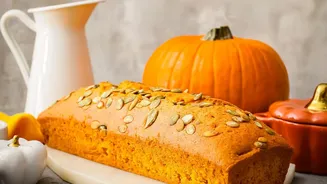
new approach to morning pumpkin encourages us to think of that smooth puree as a canvas, not the entire painting. It’s a nutrient-rich starting point, packed with vitamins and a subtle sweetness. By intentionally adding contrasting and complementary textures, you can transform a simple meal into something far more satisfying and complex. The key is to think in layers, considering what will pop against the inherent creaminess of the pumpkin.
The Art of the Crunch
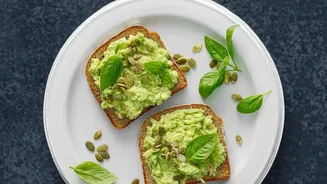
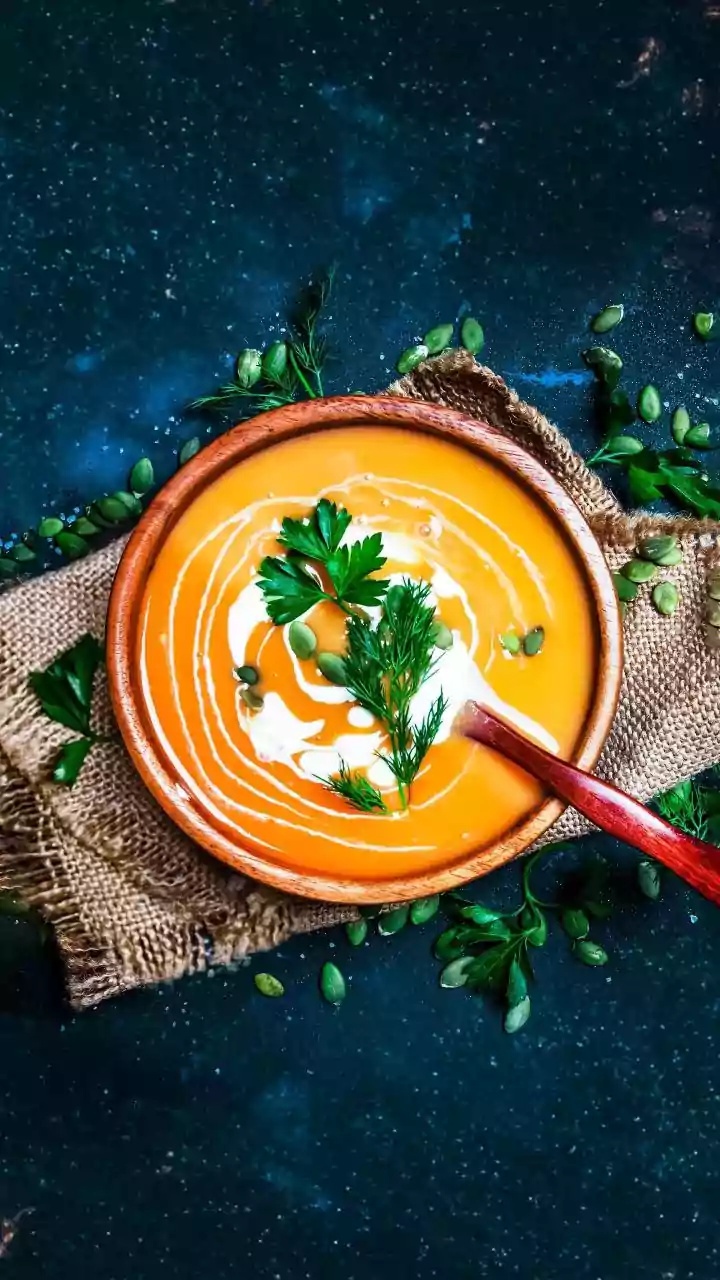
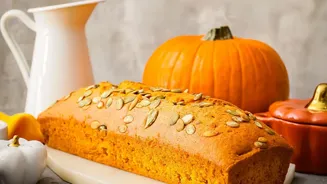
The easiest way to add excitement to a pumpkin dish is with a bit of crunch. The contrast between a smooth pumpkin base and a crunchy topping is instantly gratifying. Think about topping a bowl of pumpkin oatmeal or a yogurt parfait with a handful of homemade pumpkin seed granola. Toasted pecans or walnuts not only add a crunchy texture but also a nutty depth that pairs beautifully with pumpkin's earthy sweetness. For a more unexpected twist, consider a savory application. Crispy, salty bacon or prosciutto, crumbled over a savory pumpkin dish, creates a delightful sweet-and-salty combination that is hard to resist. Even something as simple as toasted breadcrumbs or puffed grains can provide that much-needed textural lift.
Layering Luscious Textures
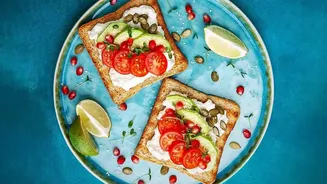
Contrast isn't the only tool available; you can also layer similar textures to create a rich, luxurious experience. Pairing pumpkin puree with other creamy ingredients adds complexity. Imagine pumpkin pancakes not just on their own, but filled with a tangy cream cheese swirl, which adds a different kind of smoothness and a welcome tartness. A dollop of whipped ricotta on pumpkin toast introduces a light, airy creaminess, while a swirl of thick Greek yogurt or coconut cream into a pumpkin smoothie bowl builds richness. These combinations work because while the texture is consistently creamy, the flavors diverge, preventing the dish from becoming monotonous.
A Savory Awakening
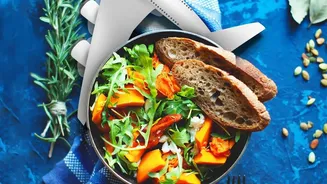
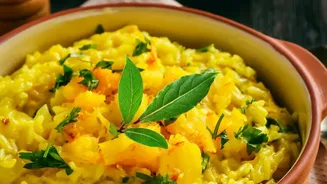
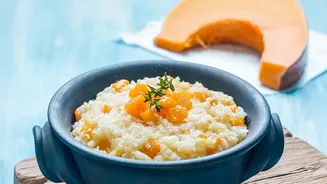
Perhaps the biggest shift in pumpkin breakfasts is the move away from exclusively sweet applications. Pumpkin's mild, slightly sweet flavor makes it incredibly versatile for savory dishes. Herbs like sage, thyme, and rosemary are classic autumnal partners that bring out pumpkin's earthy notes. Consider a pumpkin shakshuka, where eggs are gently baked in a savory stew of tomatoes, spices, and pumpkin puree for a hearty, flavorful start to the day. Another innovative idea is baking eggs inside small, hollowed-out pumpkins for a stunning and delicious presentation. You can also make savory cornbread with pumpkin and sage or add the puree to a creamy polenta topped with mushrooms and sausage for a brunch-worthy meal.
Balancing with Spice and Acidity
Finally, flavor is just as important as texture. While pumpkin pie spice—a blend of cinnamon, nutmeg, ginger, and cloves—is a classic for a reason, modern recipes are exploring a wider world of spices. Cardamom adds a floral, complex warmth, while a hint of chili or cayenne can provide a surprising and pleasant heat. Beyond spice, acidity is crucial for balancing pumpkin's richness. A squeeze of fresh orange or lime juice can brighten up a pumpkin smoothie or a baked good. Tangy additions like a spoonful of labneh or a crumble of feta cheese in a savory dish can cut through the sweetness and add another layer of flavor, making the entire dish more dynamic and memorable.