




The Kitchen Budget Rollercoaster
One month it's tomatoes, the next it's onions or leafy greens. Recent reports from July 2026 confirm that food inflation continues to be a concern, with vegetables often leading the price surge. Factors like heatwaves, uneven monsoon rains, and supply
chain disruptions contribute to this volatility. For instance, some markets have seen sudden, sharp one-day price jumps in green and leafy vegetables, sometimes by over 25%. This unpredictability makes meal planning and budgeting a significant challenge for families across the country. The feeling of your grocery bill being out of your control is a common frustration, but adopting a more adaptable approach in the kitchen can provide a powerful solution.
What Exactly is Flexible Cooking?
Flexible cooking is a mindset, not a set of rigid recipes. It’s about understanding the 'why' behind ingredients and being willing to make smart swaps based on what’s fresh, affordable, and available. Instead of sticking strictly to a recipe that calls for a vegetable that has suddenly become expensive, a flexible cook knows how to substitute it without sacrificing flavour or nutrition. This approach empowers you to take advantage of market gluts, use seasonal produce at its peak (and cheapest), and ultimately, gain more control over your food expenses. It’s a shift from recipe-led cooking to technique-led cooking, focusing on foundational skills that can be applied to a wide variety of ingredients.
Embrace the Art of the Swap
Mastering substitutions is the cornerstone of flexible cooking. When a staple ingredient becomes too costly, knowing the right alternative is key. For example, if tomatoes, a common base for many Indian gravies, are prohibitively expensive, you can achieve a similar tangy flavour using tamarind paste, yogurt (dahi), or dried mango powder (amchur). If a specific leafy green like spinach (palak) is overpriced, consider other seasonal greens that might be cheaper. Doodhi (bottle gourd) can often stand in for zucchini in many preparations, offering a similar texture and water content. The goal is to identify the role an ingredient plays—be it sourness, bulk, or texture—and find a cost-effective replacement that can perform a similar function.
Build a Resilient Pantry
A well-stocked pantry is your best defence against price shocks. While fresh vegetables are volatile, the prices of lentils, legumes, and whole spices are generally more stable. Keeping a good supply of various dals (like moong, masoor, and chana), chickpeas, and rajma allows you to cook nutritious, filling meals that are less dependent on fresh produce. These can form the base of countless dishes, from simple dals and khichdi to more elaborate curries. Spices, too, are crucial. Having a robust collection of whole and ground spices allows you to transform even the simplest, most affordable vegetables into a flavourful meal. A pantry full of these workhorses means you'll always have a satisfying meal option, regardless of what the vegetable market looks like.
Plan Around Sales, Not Just Recipes
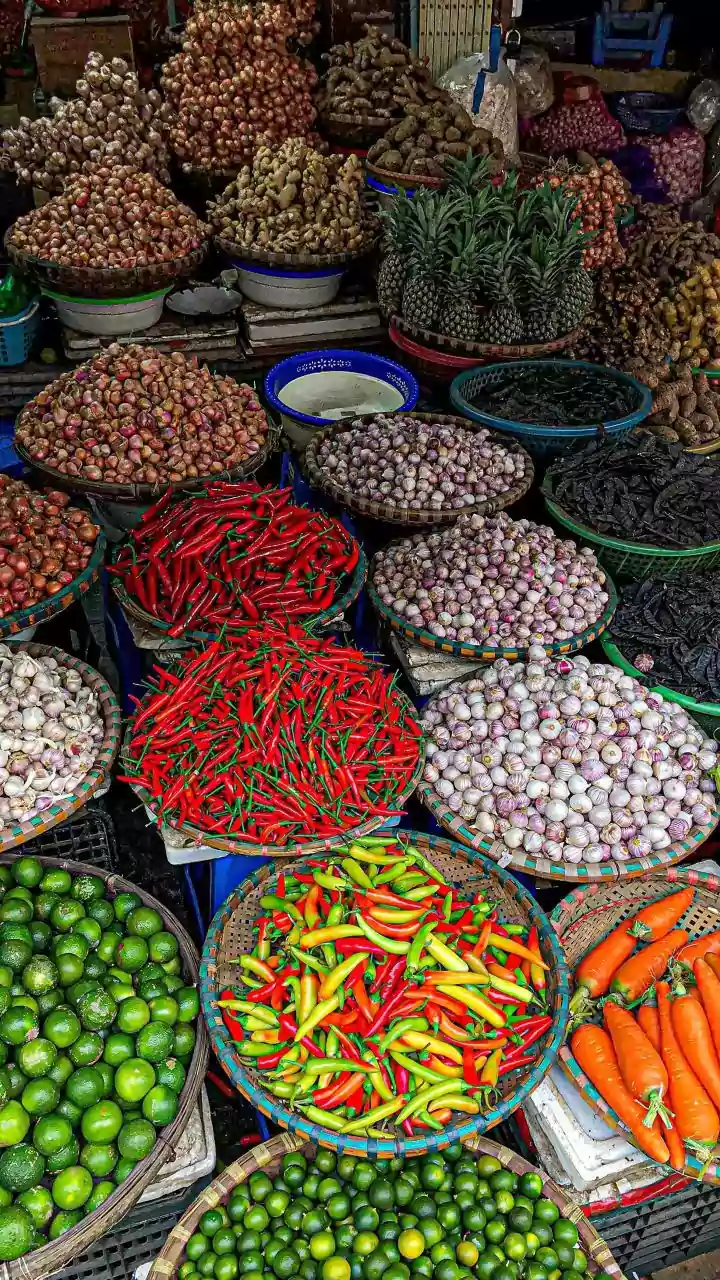
Instead of deciding what to cook and then shopping for the ingredients, try reversing the process. Head to the market or your local vendor and see what’s on sale or abundantly available at a low price. Let the market guide your meal plan for the week. If carrots and cabbage are cheap, plan for dishes that use them. This strategy ensures you’re always cooking with the most affordable produce. It might mean trying new recipes or adapting old favourites, but this habit is one of the most effective ways to slash your grocery bills. It also encourages you to cook seasonally, which often means you're getting produce that is not only cheaper but also fresher and more flavourful.