






The Viral Sensation Explained
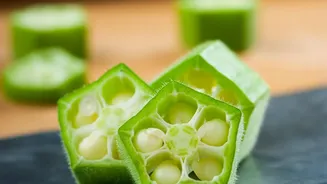
Across social media platforms, users are soaking sliced okra pods in water overnight and then applying the resulting slippery, gel-like liquid to their faces. The claims are dramatic, with fans promising everything from intense hydration to a reduction
in fine lines and an all-over glow. This simple, inexpensive DIY trend has exploded in popularity, often positioned as a natural alternative to more expensive skincare products and treatments. The slimy texture, a result of a substance called mucilage, is what gives okra its unique feel and is at the heart of the claims. This mucilage is packed with polysaccharides, which are known to have moisturizing properties.
The Feel vs. The Reality
There's a reason why okra water feels so good on the skin, at least initially. The mucilage acts as a humectant, drawing moisture to the surface of the skin, and forms a temporary film that can make your face feel smooth, plump, and hydrated. This provides an immediate, albeit temporary, moisturizing sensation. However, this feeling of hydration is not the same as deep, long-term skin repair. True skin repair involves processes like boosting collagen production, speeding up cell turnover, and repairing the skin barrier on a molecular level. While the surface hydration from okra water is pleasant, there is limited scientific evidence to suggest its molecules can effectively penetrate the skin's outer layer to trigger these deeper regenerative functions.
What Do the Experts Say?
While online testimonials are plentiful, the scientific community and dermatologists are more reserved. Skincare expert Dr. Geetika Mittal Gupta notes that while okra itself contains beneficial vitamins A and C and antioxidants, research on okra water specifically is limited. She cautions that it is not a "miracle cure" and cannot replace a balanced diet or proven medical treatments for skin conditions. The consensus among experts is that while drinking or applying okra water is unlikely to cause harm for most people, the dramatic claims of it being a 'natural Botox' are overstated. The nutrients praised in okra, like Vitamin C, are more effective in professionally formulated serums where they are stabilized and designed for skin penetration.
The Benefits of Eating Okra
While applying okra water topically might not be a game-changer, eating the vegetable certainly is. Okra is a nutritional powerhouse, rich in vitamins A, C, and K, as well as antioxidants, folate, and fiber. These nutrients are vital for overall health, which is the foundation of good skin. Vitamin C is a crucial component for collagen production in the body, which keeps skin firm and elastic. The antioxidants fight free radical damage from environmental stressors, which contributes to aging. Furthermore, the fiber in okra supports good gut health, and a healthy gut is often linked to clearer skin. So, for proven benefits, adding okra to your diet is a much more scientifically supported path to a healthy glow.
The Verdict on Your Skincare Routine
So, should you throw out your skincare products and switch to okra water? The evidence suggests no. While it can provide a temporary feeling of hydration and is a fun, low-risk DIY to try, it is not a substitute for scientifically-proven skincare ingredients for targeted concerns like wrinkles, hyperpigmentation, or acne. There's no harm in using it as a soothing, hydrating mask, but don't expect it to perform like a retinol, a potent vitamin C serum, or a professionally administered treatment. Think of it as a supplemental step, not a foundational one. For genuine skin repair, it is best to rely on products backed by extensive research and to consult a dermatologist for persistent skin issues.