





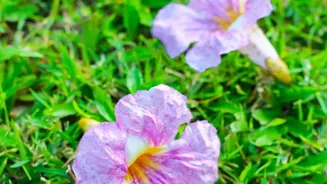
A Landscape Washed in Violet
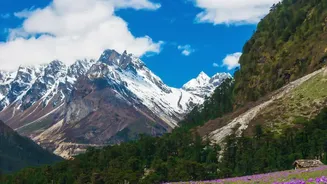
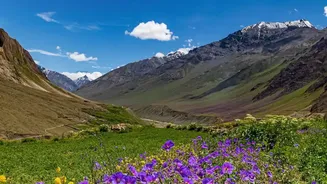
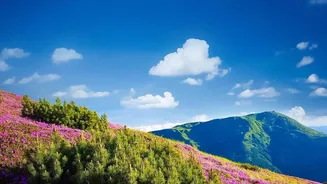
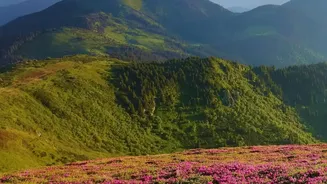
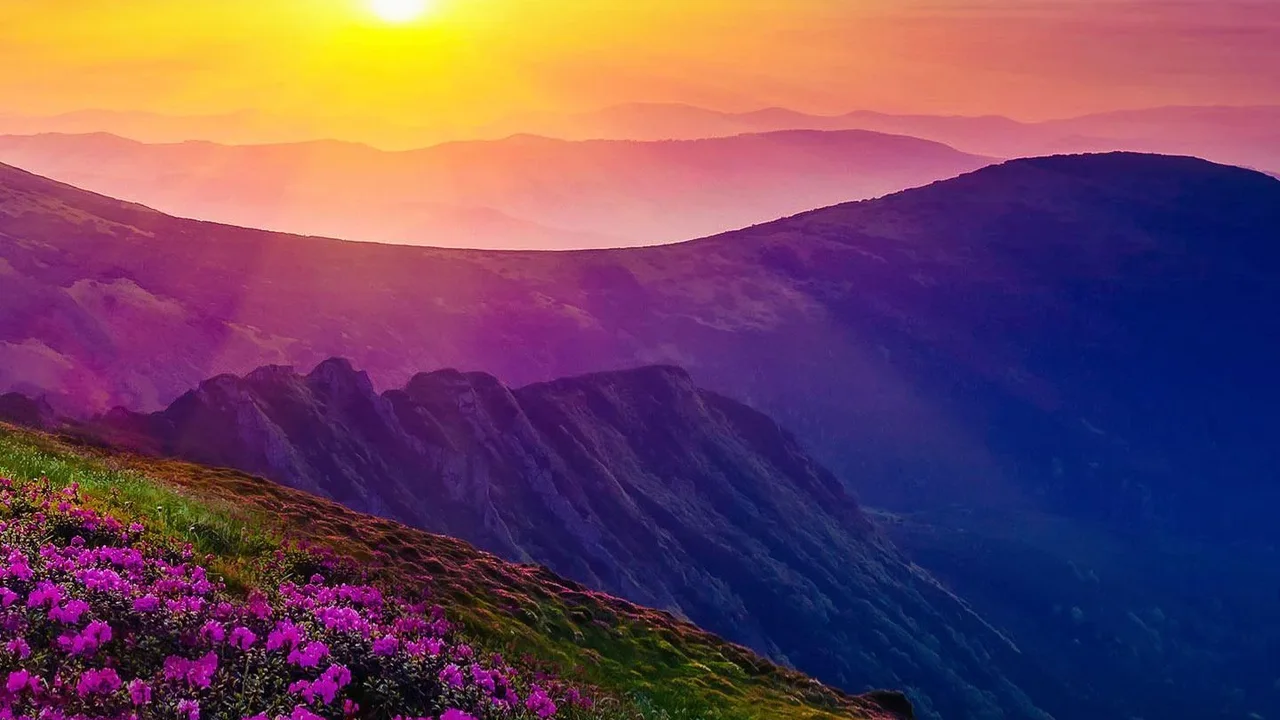
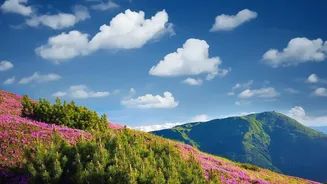
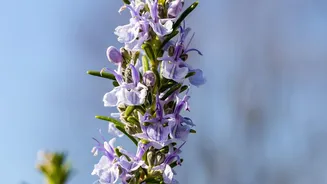
Imagine entire hillsides, as far as the eye can see, shedding their usual green for a breathtaking blanket of purplish-blue. This is not a dream, but a real phenomenon currently unfolding in parts of Kerala's Western Ghats. The star of the show is the Neelakurinji,
or Strobilanthes kunthiana, a shrub that grows in the high-altitude shola grasslands. For a few precious months, these flowers bloom in a synchronized, massive display, creating a visual that draws nature lovers and photographers from around the globe. The name 'Nilgiri', or Blue Mountains, is itself believed to have been inspired by the spectacle of these flowers carpeting the hills. The peak viewing season for this year's event is expected to last through September and October.
The Science of a 12-Year Wait
What makes the Neelakurinji so special is its incredibly patient life cycle. The plant is monocarpic, which means it flowers only once in its lifetime, sets a profusion of seeds, and then dies. This entire process takes 12 years. For over a decade, the plant lies in a quiet vegetative state, gathering the energy needed for its one magnificent bloom. This synchronized flowering, known as gregarious flowering or masting, is an evolutionary survival strategy. By flowering all at once, the plants overwhelm seed predators, ensuring that enough seeds survive to begin the next 12-year cycle. This unique rhythm is so reliable that local indigenous communities, like the Paliyan tribe, have historically used the blooming cycles to calculate their age.
A Tale of Two Blooms: 2026 and 2030
While the 2026 bloom is a significant event, there's a crucial detail for visitors to understand. The Neelakurinji in the Munnar region has different populations that follow separate 12-year clocks. The current bloom happening now is concentrated in areas like the Chokramudi hills and the Mattupetty-Korandakkad region. This population last flowered in 2014. However, the most famous mass flowering, which covers the vast grasslands of Eravikulam National Park, last occurred in 2018. Therefore, the next grand, park-wide spectacle in Eravikulam is not expected until 2030. The 2026 bloom is a separate, equally stunning event, offering a precious opportunity to see the flowers four years before the next major Eravikulam bloom.
Where to See the Flowers in 2026
For those hoping to witness this year's spectacle, the main viewing areas are away from Eravikulam National Park. The Chokramudi hills and the region around Mattupetty are the prime locations. To manage the influx of tourists and protect the fragile ecosystem, authorities have opened a designated viewing area at Chokramudi, which became accessible to visitors on August 24, 2026. These high-altitude slopes provide sweeping vistas of the violet-clad landscape. Forest officials expect the bloom to spread further across nearby hills like Meesapulimala as the season progresses. Due to the high demand and the need for conservation, it is essential to stick to designated paths and follow local guidelines.
A Fragile Natural Heritage
The Neelakurinji is more than just a beautiful flower; it is a keystone of the shola-grassland ecosystem, attracting a host of pollinators like bees and butterflies during its bloom. However, this delicate habitat is under threat from plantations, development, and climate change. In a sign of its increasing fragility, Strobilanthes kunthiana was assessed for the first time in 2024 for the IUCN Red List and classified as a 'Vulnerable' species. This designation underscores the urgent need for conservation and responsible tourism. Visitors are strongly advised not to pluck or trample the flowers, as each plant represents the culmination of a 12-year cycle and holds the seeds for the next generation, which will not bloom again until around 2038.
Planning Your Once-in-a-Decade Trip
Given the rarity of the event, Munnar is expecting a significant surge in visitors. If you plan to travel, booking accommodation and transport well in advance is highly recommended. Munnar is accessible by road, with the nearest railway station at Aluva (around 110 km away) and the nearest airport in Cochin. Once in Munnar, local transport can be used to reach the designated viewing points around Chokramudi and Mattupetty. The Idukki district administration has even considered an app-based system to manage visitor slots to prevent overcrowding. By planning ahead and travelling mindfully, you can respectfully enjoy one of India's most extraordinary natural wonders without disturbing its delicate balance.