


The Quest for a Tougher Rupee
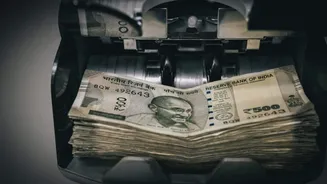
Anyone who has received a limp, taped-up ten-rupee note knows the problem all too well. India’s paper currency, made of 100% cotton, struggles to withstand the rigours of heavy circulation and diverse climates. Notes get soiled, torn, and damaged quickly,
especially lower denominations like Rs 10 and Rs 20 that change hands frequently. This forces the RBI to spend thousands of crores annually just to collect and destroy damaged notes and print fresh ones. In 2025-26 alone, security printing expenses amounted to Rs 4,875 crore. This recurring cost is a major reason the RBI is reviving its plan to test polymer banknotes—a move it first considered over a decade ago.
Polymer vs. Paper: The Durability Debate
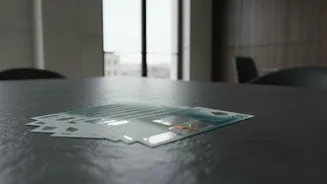
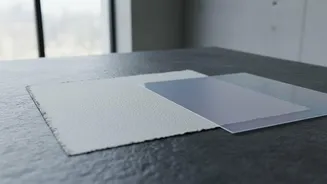
The primary advantage of polymer notes is their sheer resilience. Made from a synthetic polymer like biaxially oriented polypropylene (BOPP), these notes are not paper but a flexible, non-porous plastic. This makes them waterproof, tear-resistant, and far less likely to accumulate dirt and grime. International experience shows that polymer notes can last anywhere from two to five times longer than their paper counterparts. In the Philippines, for instance, from 2022 to mid-2026, over half the P1,000 paper notes issued were returned as worn-out, compared to just 0.02 percent of polymer notes. A longer lifespan means fewer notes need to be printed and distributed over time, reducing long-term costs for the central bank.
A Fortress in Your Pocket: Enhancing Security
Counterfeiting remains a persistent threat. Polymer banknotes offer a significant upgrade in security. The material allows for advanced anti-counterfeiting features that are difficult to replicate on paper. These include transparent windows, intricate holograms, and special inks. Countries that have switched to polymer, like Australia, Canada, and the United Kingdom, have reported a significant drop in counterfeiting rates. By making fake notes harder and more expensive to produce, polymer serves as a strong deterrent, protecting the integrity of the currency system. For its trial, the RBI is seeking polymer sheets with advanced features like clear windows, metallic numerals, and magnetic threads.
The Cost Calculation and Environmental Equation
The switch doesn't come cheap. The initial cost of printing a polymer note is higher than a paper one. However, the economic argument for polymer is based on its total lifecycle cost. Because they last much longer, the need for reprinting is drastically reduced, which can lead to substantial savings over time. The environmental impact presents a more complex picture. While polymer is derived from fossil fuels, the longer lifespan of the notes means less energy and raw materials are used over time for replacements. Furthermore, at the end of their life, worn-out polymer notes can be shredded and recycled into other plastic products, like furniture or building materials, whereas paper notes are typically shredded and sent to landfills.
Lessons from Abroad and the Path Forward
India is not charting entirely new territory. Over 45 countries, including Australia, which pioneered the technology in 1988, now use polymer notes. The experiences of nations from the UK and Canada to Malaysia and Vietnam offer a valuable knowledge base. The RBI's planned pilot will involve issuing one billion pieces each of Rs 10 and Rs 20 polymer notes to test their performance in Indian conditions. This trial will assess everything from durability in different climates to public acceptance and compatibility with ATMs and counting machines. While the government has clarified there are no immediate plans to replace paper currency entirely, the outcome of this comparison will determine the future look and feel of the money we use every day.