




It’s a traveller’s mini-nightmare: you’ve just stepped off the plane and realise your headphones, wallet, or child’s favourite toy is still in the seat pocket. You turn to go back, only to be stopped by a firm but polite crew member. Why?
Security is the Top Priority
The number one
reason you can’t simply walk back onto an aircraft is security. Once you step off the plane and into the terminal, you have officially left a secure, controlled environment and entered a semi-public space. Airports are divided into sterile and non-sterile areas. The aircraft and the jet bridge are considered part of the 'sterile' area, meaning everyone and everything inside has been thoroughly screened. Once you leave that zone, aviation security rules dictate that you cannot re-enter without being screened again. While it may seem harmless, authorities can't be certain you haven't been handed an item or picked something up in the moments after deplaning. To maintain the integrity of the sterile environment, the rule is absolute: once you're out, you stay out. This prevents any possibility of an unscreened object making its way onto the aircraft.
The Headcount Conundrum
Before any flight departs, the flight crew conducts a precise headcount and cross-references it with the passenger manifest. This is a crucial safety and security check. When passengers deplane, a similar count is done to ensure everyone who was on board has safely gotten off. If a passenger were to re-board, it would disrupt this sensitive count. Airline staff would have to restart their final passenger reconciliation processes, which are linked to baggage matching. If a passenger who checked in a bag is not on the flight, their luggage must be located and removed before takeoff for security reasons. Allowing people to get on and off the aircraft after the initial deplaning count would create logistical chaos and could lead to significant delays or, worse, a security oversight.
A Tightly Timed Turnaround
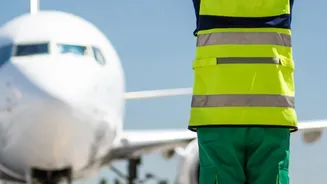
Airlines operate on incredibly tight schedules, and the time an aircraft spends on the ground is known as the 'turnaround'. For many low-cost carriers, this can be as short as 25-30 minutes. During this brief window, a flurry of activity occurs simultaneously: the plane is refuelled, catering is restocked, the cabin is cleaned, maintenance checks are performed, and baggage for the next flight is loaded. This process is a carefully choreographed dance involving dozens of ground staff. A passenger trying to re-enter the aircraft would be like someone trying to swim against a strong current. It would interrupt the workflow, force multiple teams to halt their procedures, and almost certainly cause a departure delay, which has a ripple effect across the airport's entire schedule.
International Flights and Customs
For international arrivals, the rules are even stricter due to customs and immigration laws. The moment you step off an international flight, you are legally considered to have entered a new country, even if you are just on the jet bridge. You are on a direct path to the immigration and customs hall. The aircraft itself is treated as a sort of transitional zone. Re_entering the plane would be akin to leaving the country again without going through the proper exit procedures. This could cause serious issues with customs and border protection authorities, who maintain strict control over who and what crosses their borders. Allowing passengers to move back and forth would create a loophole in this tightly controlled system.
So, What Should You Do?
If you realise you've left an item behind, don't try to argue your way back onto the plane. Your best course of action is to immediately find the airline's gate agent or a customer service representative. They are equipped to handle this situation. While you won't be allowed back on, they can radio the cabin crew or the cleaning crew who are preparing the aircraft for its next flight. These staff members can search for your item and, if found, will arrange for it to be brought out to you or sent to the airline's lost and found office. The key is to act quickly and speak to the right person. The cabin crew performs a postflight check to look for forgotten items, so there's a good chance your possession will be found.