





The Power of the Present: Mindful Breathing
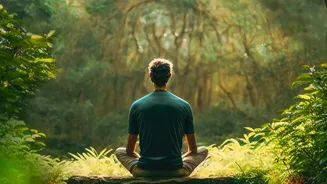
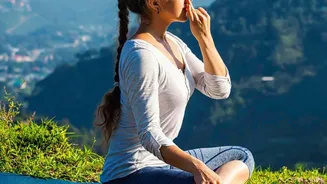
Mindful breathing is an ancient practice with modern backing. At its core, it's the simple act of focusing on your inhalations and exhalations without judgment. This technique is a cornerstone of mindfulness-based stress reduction (MBSR). Scientific studies
show that by consciously slowing your breathing, you can activate the parasympathetic nervous system, often called the 'rest and digest' system. This process helps counteract the body's 'fight or flight' response, lowering levels of the stress hormone cortisol, reducing heart rate, and calming feelings of anxiety. The biggest advantage of mindful breathing is its accessibility. It requires no special equipment, can be done anywhere from a crowded bus to your office desk, and even a few minutes can make a difference. It's an ideal tool for those who need an immediate, discreet way to manage acute moments of stress throughout a packed day. If you find yourself overwhelmed by racing thoughts, this inward-focused practice helps ground you in the present moment, offering a quick mental reset.
Nature's Remedy: The Call of the Trail
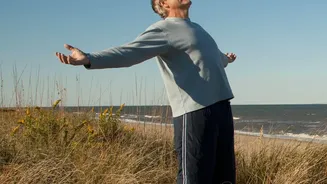
For some, the answer to stress lies not inward, but outward. Ecotherapy, or nature therapy, involves immersing yourself in a natural environment to promote well-being. Hiking on a mountain trail, walking through a local park, or even sitting by a lake can have profound physiological and psychological benefits. Research demonstrates that spending time in nature can significantly lower cortisol levels, reduce blood pressure, and improve mood. This is sometimes explained by the 'biophilia hypothesis,' the idea that humans have an innate tendency to connect with nature. Unlike the focused stillness of breathing exercises, a nature walk offers what is known as 'soft fascination'. The gentle, engaging stimuli of the natural world—the rustling of leaves, the vastness of the sky—can capture your attention effortlessly, providing a respite from mental fatigue without demanding intense focus. This method is particularly effective for those who feel cooped up, restless, or find that physical movement helps them process stress.
Which Path Is Yours? A Practical Comparison
Choosing your ideal method often comes down to personality and logistics. Mindful breathing is perfect for the time-poor individual who needs an on-the-spot solution. It’s an internal tool that builds mental resilience from within, making it highly effective for managing anxiety and improving emotional regulation. However, some people, particularly those dealing with intense negative thoughts, may find the inward focus of mindfulness challenging at first. Hiking and nature walks, on the other hand, are excellent for those who need a change of scenery to clear their head. The combination of physical activity and a restorative environment can improve creative problem-solving and boost attention. The main drawback is the required investment of time and accessibility. Not everyone has easy access to a trail, and it requires a bigger commitment than a five-minute breathing exercise. Even so, studies suggest that as little as 20 minutes in a natural space can have a positive impact.
The Best of Both Worlds: A Hybrid Approach
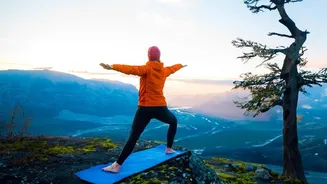
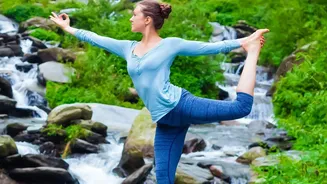
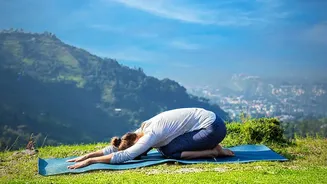
Ultimately, you don't have to choose. The line between mindful breathing and nature therapy can be beautifully blurred. Practicing mindful walking on a trail is a powerful way to combine both methods. Instead of listening to a podcast, focus on the sensation of your feet on the ground, the rhythm of your breath, and the sights and sounds of the environment around you. This integrated approach allows you to benefit from the physical and mental reset of being in nature while using your breath to anchor you in the present moment. Research shows that mindfulness practiced in a natural setting can lead to a greater reduction in stress and rumination compared to indoor practice alone. It can feel more intuitive and less judgmental, as your attention is gently guided outward by the environment.