




First, Understand Your Light Source
Before you even step into a nursery, take a moment to be a detective in your own home. The direction your windows face is the single most important factor determining what kind of plants will thrive. A plant label that says 'bright, indirect light' means
very different things in a north-facing versus a south-facing room. North-facing windows offer the least light, which is cool and indirect all day. East-facing windows provide gentle, direct morning sun. West-facing windows get hit with intense, hot afternoon sun. And south-facing windows are the sunniest of all, offering bright, direct light for most of the day. Using the compass app on your phone is the easiest way to determine which direction your windows face.
Next, Assess Your Room's Humidity
Humidity, or the amount of water vapour in the air, is another critical piece of the puzzle. Many popular houseplants are native to tropical regions and crave higher humidity than the average home provides. A typical home might have a relative humidity of around 40-60%, which is fine for many plants, but some will need more. Rooms like kitchens and bathrooms naturally have higher humidity. You can get a precise reading with a simple tool called a hygrometer. For a quick DIY test, place a glass of ice water in a room for five minutes. If heavy condensation forms and drips, your humidity is high. If there's no moisture on the glass, the air is likely quite dry.
Plants for North-Facing Windows
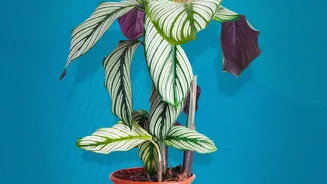
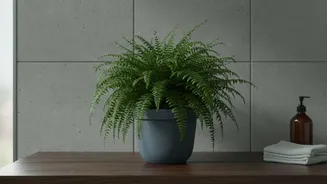
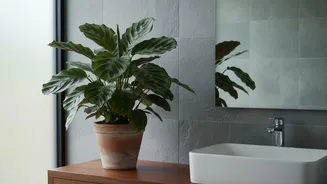
North-facing windows are perfect for plants that can't handle direct sun. This is the realm of low-light champions. For drier rooms, you can't go wrong with a Snake Plant (Sansevieria) or a ZZ Plant (Zamioculcas zamiifolia), both of which are tough, adaptable, and store water in their leaves. If you have a north-facing window in a more humid space like a bathroom, consider a Peace Lily (Spathiphyllum), which enjoys moist conditions and can even produce its signature white blooms in lower light. Another great option for higher humidity is the Peacock Plant (Calathea), known for its stunning foliage, though it can be a bit more demanding about its environment.
Plants for East-Facing Windows
An east-facing window provides the gentle morning sun that many plants adore, without the scorching heat of the afternoon. It's an ideal spot for many popular houseplants. The delicate leaves of a Calathea or Maranta (Prayer Plant) will flourish here, as the direct sun isn't strong enough to burn them. This is also a fantastic location for many types of Philodendron and Pothos, which will appreciate the bright start to the day. For those who want flowers, African violets will often perform well in an east-facing spot, producing their vibrant blooms without getting scorched. These plants generally prefer average to high humidity, so grouping them can help create a beneficial microclimate.
Plants for West-Facing Windows
West-facing windows offer a few hours of very intense, hot afternoon sun. This can be too much for delicate tropicals, but it's perfect for plants that need a bit more of a light punch. Variegated plants often show more vibrant colours in a west-facing window. Crotons, with their fiery red, orange, and yellow leaves, will thrive in this exposure. The classic Rubber Plant (Ficus elastica) is another sturdy choice that can handle the bright light. If your space is on the drier side, succulents like Aloe Vera and Jade Plants can also do well here, as long as the light isn't overwhelmingly intense all afternoon.
Plants for South-Facing Windows
This is the sunniest and warmest spot in your home, and it's reserved for true sun-lovers. South-facing windows are the prime real estate for desert dwellers like most cacti and succulents, including Echeveria and many types of Aloe. These plants are adapted to bright, direct sun and typically prefer lower humidity and soil that dries out completely between waterings. Jasmine is another plant that, according to Vastu, does well near a south-facing window, bringing a beautiful fragrance indoors. If you have the space, a Bird of Paradise plant can make a dramatic statement, basking in the ample light a southern exposure provides.