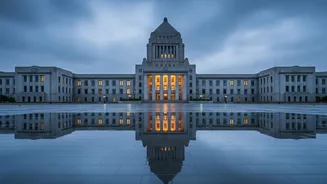








A Leader's Brief Respite
In a country where dedication is often measured in hours logged at the office, Prime Minister Fumio Kishida recently taking a five-hour break was newsworthy. While the specifics of his time off were private, the duration itself became a talking point.
For a leader who has spoken of tackling major domestic issues like economic disparity and a declining birthrate, such a brief pause is seen by many as emblematic of the immense pressure at the top. This isn't unique to Kishida; his predecessors have also been known for grueling schedules. Former Prime Minister Sanae Takaichi once remarked she subsisted on just two to four hours of sleep, even dismissing the idea of work-life balance for herself. When the leader's downtime is counted in mere hours, it reflects a powerful cultural expectation that resonates across the entire workforce.
The Science of True Rest
So, why is a five-hour break considered insufficient? Health experts and sleep foundations globally are clear: adults aged 18-64 need seven to nine hours of sleep per night for optimal health, mental clarity, and physical performance. This doesn't even account for waking hours needed for true leisure and mental decompression. Chronic sleep deprivation, defined as consistently getting less than the recommended amount, cannot be fixed with a single long weekend or a short break. It chips away at long-term health, increasing the risk of heart disease, mood disorders, and reduced immunity. Rest is not just about the absence of work; it's a biological necessity for cognitive function, memory consolidation, and emotional regulation. From a scientific standpoint, a five-hour break, likely bookended by official duties, barely scratches the surface of what is required to recover from sustained high-stress work.
The Shadow of 'Karoshi'
To understand why this is such a sensitive topic in Japan, one must know the word karoshi. Translating literally to "death from overwork," it is a socio-medical term for fatalities and disabilities caused by excessive, work-related stress, leading to events like heart attacks and strokes. The phenomenon, first identified in the 1970s, is a stark reminder of the human cost of Japan's intense work culture. The government officially recognizes cases where an individual has worked more than 80-100 hours of overtime in a month leading up to their death. The issue became so prominent that the World Health Organization and International Labour Organization have studied the global impact, defining long working hours as more than 55 per week. The fear of karoshi, and the related phenomenon of karojisatsu (suicide from overwork), looms large in the national consciousness.
A Culture of Endurance
The pressure to overwork is not just a top-down mandate; it's woven into the fabric of Japanese society. The post-war economic boom created a generation of 'salarymen' whose identity was tied to corporate loyalty and grueling hours. This ethos persists today, where leaving the office before one's boss is often frowned upon and taking earned vacation time can be seen as a lack of commitment. This cultural pressure creates a powerful incentive to work far beyond the statutory limit of 40 hours per week. While many younger workers are pushing back against this norm, changing such a deeply ingrained mindset is a slow and difficult process. The Prime Minister's schedule is, in many ways, just a high-profile example of a nationwide standard.
Can the Government Fix Itself?
Ironically, the Japanese government has been trying to address the problem for years. The "Work Style Reform Law," enacted in 2019, introduced legal caps on overtime, aiming for a general limit of 45 hours per month and 360 per year. The law was a direct response to the karoshi crisis and aimed to enforce a healthier work-life balance. However, critics argue these reforms have loopholes and that enforcement is challenging, especially when the country's own leaders seem to embody the very culture the laws are meant to dismantle. When the person in charge of promoting national well-being operates on a schedule that defies health recommendations, it sends a mixed message about the true priorities of the nation. It suggests that while the government advocates for rest, the culture of endurance remains the unwritten rule.