


The Blueprint for Change
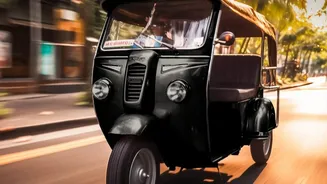
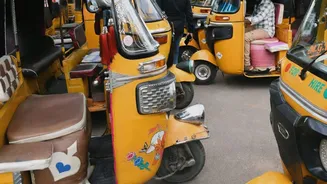
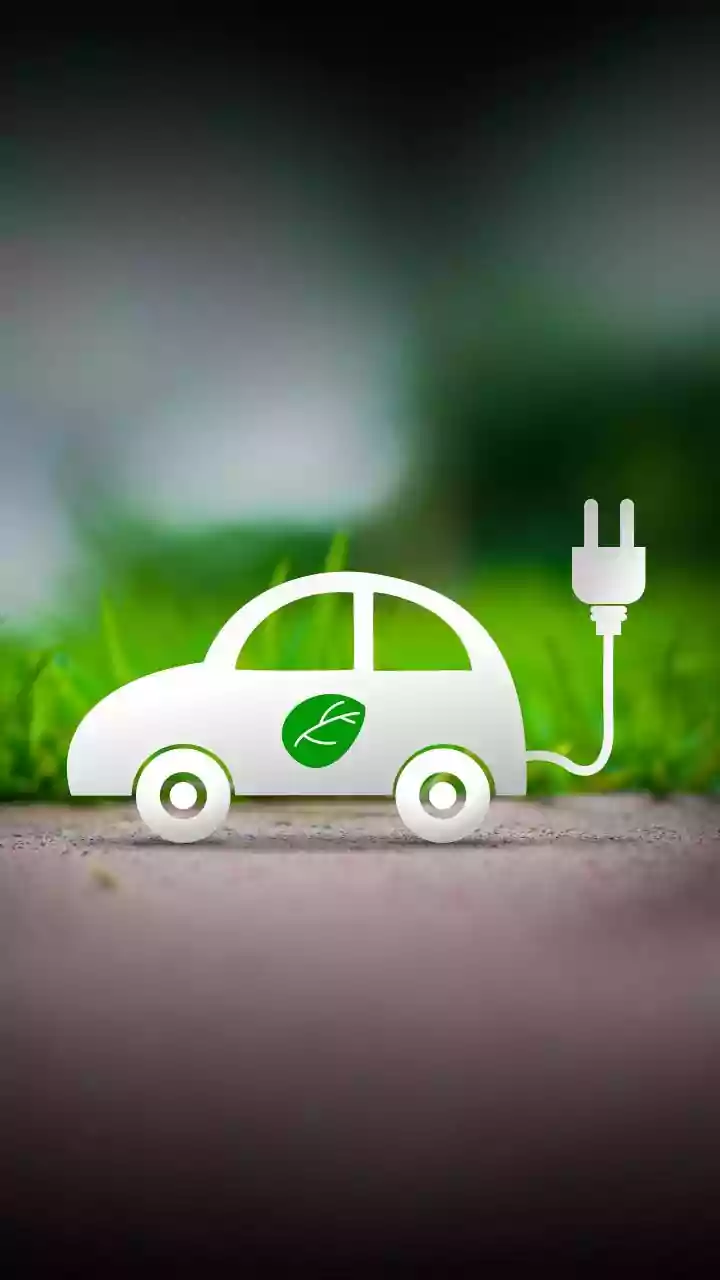
The Telangana state cabinet has officially approved the 'Telangana Auto-Rickshaw Electric Conversion Scheme–2026', a significant push towards cleaner urban transport. This initiative earmarks Rs 200 crore to facilitate the conversion of 18,766 auto-rickshaws
currently running on petrol and diesel in Hyderabad's Core Urban Region Economy (CURE) area. This target group includes 11,254 diesel and 7,512 petrol autos. The scheme is a cornerstone of the government's broader 'Telangana Rising Vision–2047', which aims to make Hyderabad a greener, more sustainable city. A three-tier committee system will be established to oversee the implementation and ensure transparency.
What's on Offer for Drivers?
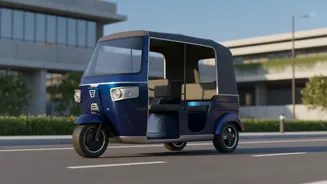
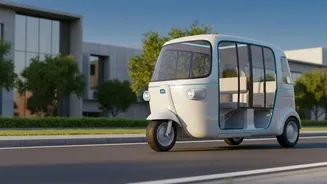
The government is offering substantial financial assistance to ease the transition for auto drivers. Each eligible driver can receive a subsidy of up to Rs 1.5 lakh. Drivers have two main options. They can choose to retrofit their existing vehicle with an approved electric conversion kit (AIS-123 certified), with the subsidy covering up to Rs 1.5 lakh or the actual cost, whichever is lower. Alternatively, they can opt to scrap their old internal combustion engine (ICE) auto and purchase a brand new, factory-built electric three-wheeler. In this case, a fixed subsidy of Rs 1.5 lakh will be deducted directly from the on-road price by the empanelled dealer. To make the scheme accessible to all, funding is being pooled from various welfare departments, including SC, ST, BC, and Minority Welfare, but the assistance is available to all eligible owners regardless of social category.
The Environmental and Economic Payoff
The primary goal of the scheme is to tackle Hyderabad's urban pollution. Transport Minister Ponnam Prabhakar stated that the initiative aims to steer the city’s transport system towards net-zero carbon emissions. Beyond the clear environmental benefits of reducing air and noise pollution, the government hopes to provide economic relief to the drivers themselves. By switching to electric, drivers can significantly lower their daily operational costs, freeing them from the burden of volatile and rising fuel prices. This move is part of a larger strategy that includes inducting thousands of electric buses into the state transport fleet and offering 100% exemptions on road tax and registration fees for new EVs to encourage wider adoption.
Potential Roadblocks Ahead
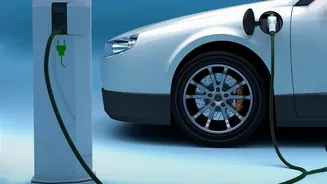
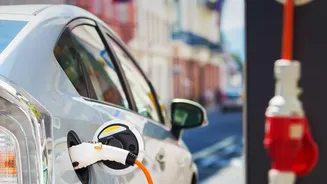
While the plan is ambitious, its success hinges on overcoming several practical challenges. A major concern for drivers is 'range anxiety'—the fear of a battery running out of charge before reaching a destination. This is compounded by the current lack of widespread and accessible charging infrastructure across Hyderabad. Another significant hurdle is the upfront cost. Even with a subsidy, some drivers may find the remaining cost of a new vehicle or a high-quality conversion kit prohibitive. Past efforts to encourage retrofitting have seen a tepid response precisely because of high costs and complex approval processes. For the scheme to work, ensuring the availability of reliable, certified conversion kits and a robust network of both fixed charging stations and battery-swapping facilities will be absolutely critical.