
Why These Specific Dates?
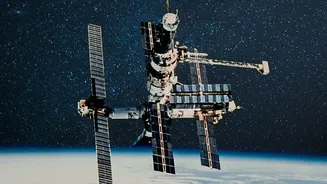
The week is framed by two pivotal moments in space history that define its spirit. The celebration kicks off on October 4, the anniversary of the 1957 launch of Sputnik 1, the first human-made satellite to orbit Earth, which effectively opened the door
to the cosmos. It concludes on October 10, a date that marks the 1967 entry into force of the Outer Space Treaty, a foundational document establishing the principles of peaceful international space exploration. This pairing of a technological milestone with a diplomatic one underscores the week's dual focus: celebrating the achievements of space exploration while promoting international cooperation and education.
2026 Theme: The 'Rocket Revolution'
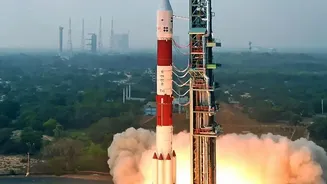
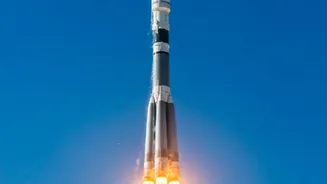
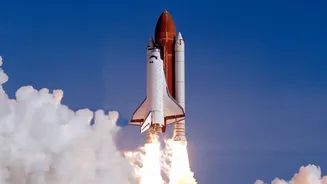
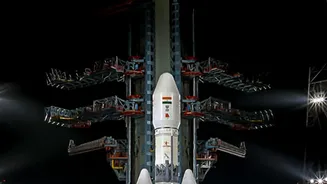
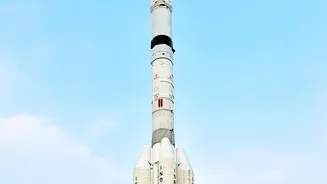
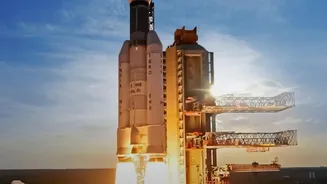
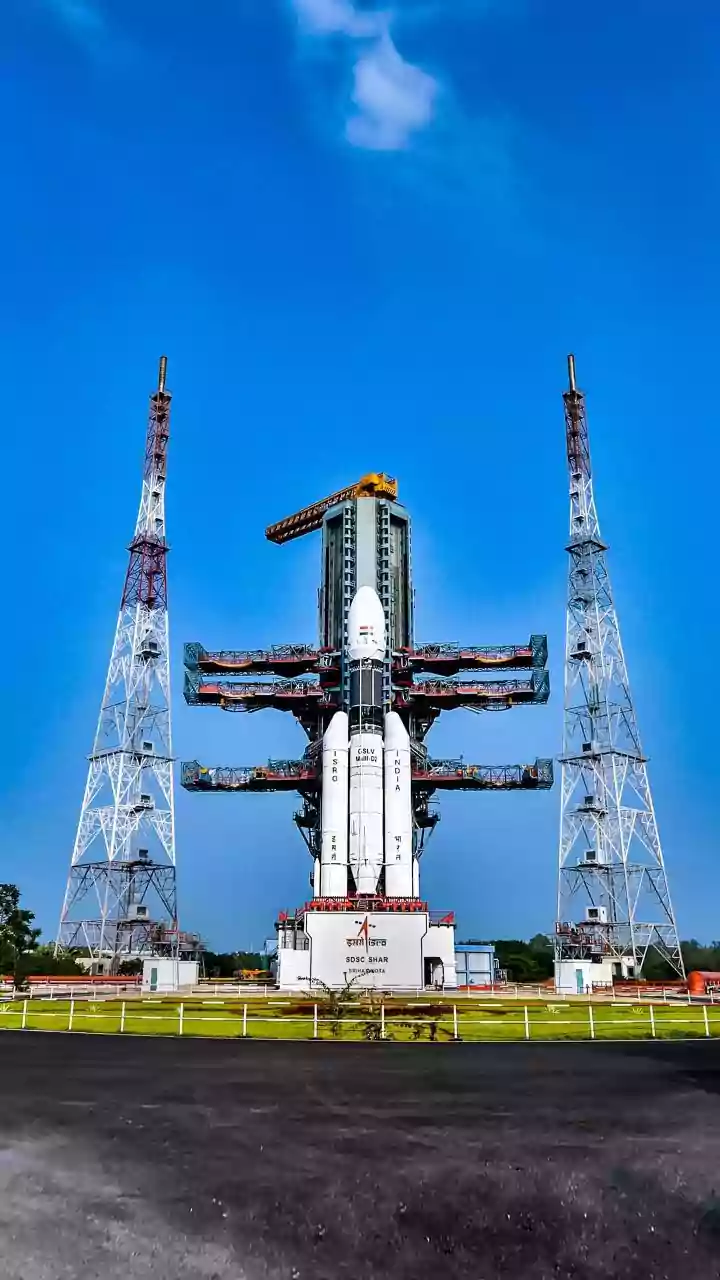
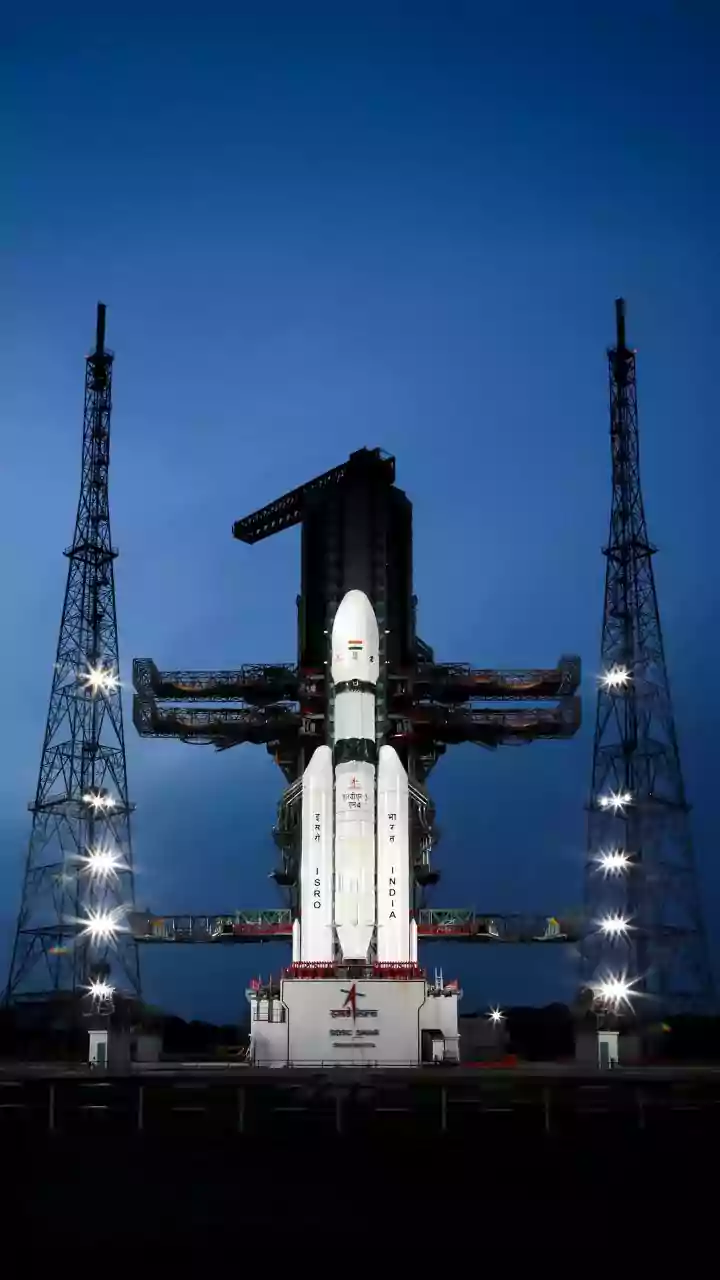
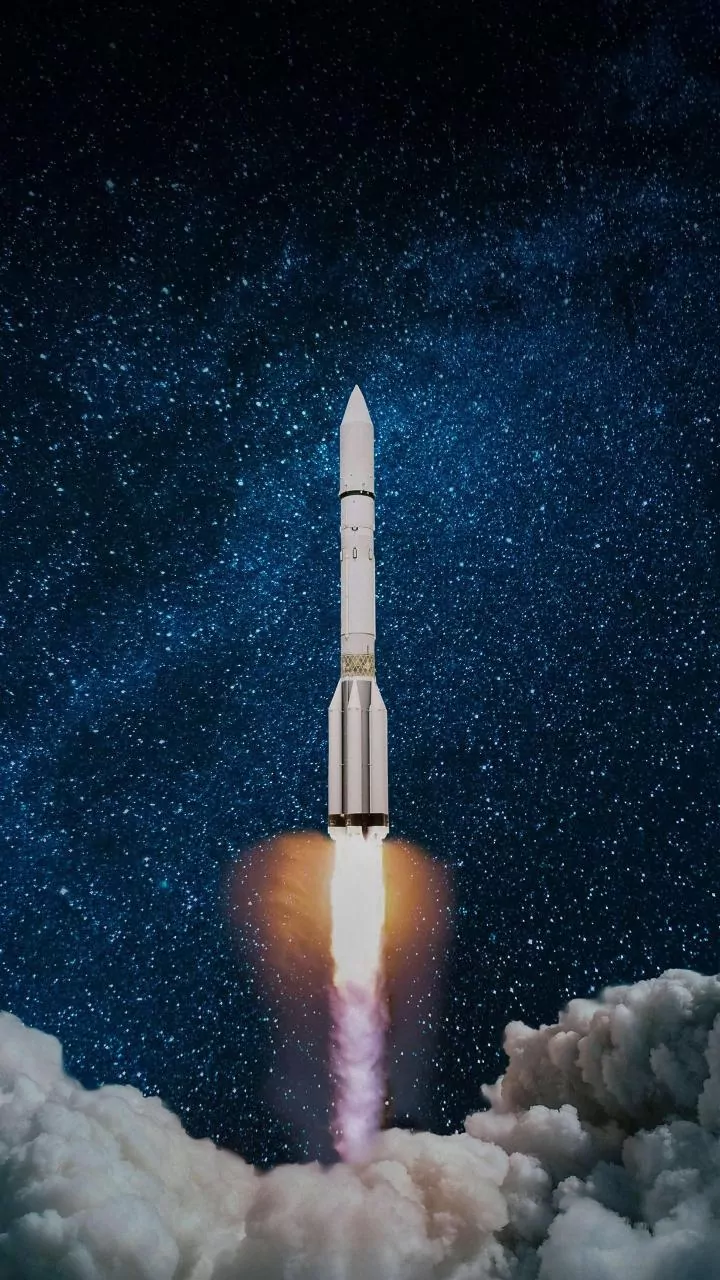
Each year, World Space Week adopts a theme to focus its global activities. For 2026, the theme is 'Rocket Revolution'. This timely topic highlights the dramatic transformation happening in the launch industry. For decades, space access was the exclusive domain of a few government agencies using expendable, expensive rockets. The 'Rocket Revolution' theme explores the shift towards reusable launch systems, the rise of commercial spaceflight companies, and the involvement of universities and startups in developing new ways to reach orbit. This revolution is making space more accessible, lowering costs, and stimulating a new ecosystem of innovation.
Bringing Space Down to Earth in India
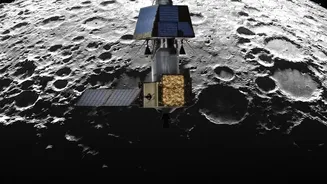
India is an enthusiastic participant in World Space Week, with the Indian Space Research Organisation (ISRO) and its various centres playing a leading role in organising outreach activities. ISRO centres like the Vikram Sarabhai Space Centre (VSSC) in Kerala traditionally arrange a host of events for students and the public. These often include lectures by scientists, essay and quiz competitions, model rocketry workshops, and exhibitions showcasing India's achievements in space. The 2026 'Rocket Revolution' theme has particular relevance for India as it develops its own reusable launch vehicle technology and fosters a growing private space sector. National coordinators help synchronise these efforts, connecting schools, planetariums, and science clubs across the country to the global celebration.
More Than Just a Celebration
The goals of World Space Week extend far beyond a seven-day festival. The primary mission is to educate people worldwide about the tangible benefits they receive from space, from GPS navigation and weather forecasting to satellite communications and disaster management. A key objective is to excite young people about Science, Technology, Engineering, and Mathematics (STEM) and inspire them to become the next generation of scientists, engineers, and entrepreneurs. By demonstrating public support for space programs, the week also encourages governments and industries to continue investing in space for sustainable economic development. It's the largest annual space event on the planet, with tens of thousands of events held in over 95 nations.