



Meet Daifuku, the Japanese 'Modak'
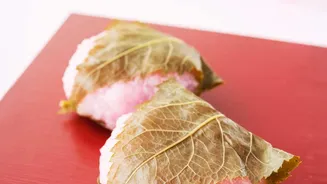
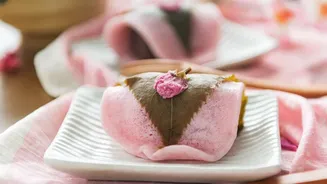
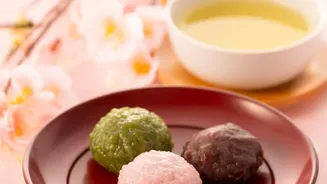
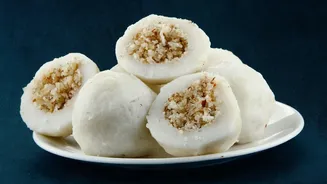
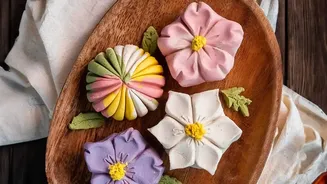
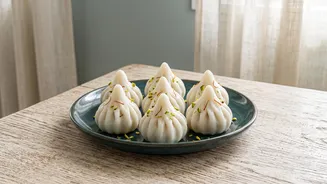
Across the sea in Japan, a strikingly similar confection known as Daifuku is a popular treat. Daifuku, which translates to "great luck," is a type of wagashi, or traditional Japanese sweet. Like a modak, it's a soft, round, filled dumpling. At first glance,
the resemblance is uncanny: a small, white, hand-held parcel that promises a sweet surprise within. Both are cherished parts of their respective culinary landscapes, but the similarities often end with their dumpling-like appearance.
A Tale of Two Doughs
The primary difference lies in the outer shell. India's steamed modak, specifically the 'Ukadiche Modak' famous during Ganesh Chaturthi, is made from a dough of rice flour and hot water, which is kneaded until soft. This creates a delicate, non-sticky casing with a subtle flavour. In contrast, Daifuku's outer layer is made from mochi. Mochi is crafted from mochigome, a type of glutinous rice that is steamed and pounded until it becomes incredibly sticky and elastic. This gives Daifuku its signature soft, chewy, and slightly stretchy texture, a key distinction from the softer bite of a steamed modak. The mochi shell is then dusted with potato or corn starch to prevent it from sticking to everything it touches.
The Sweet Surprise Inside
The fillings are where these two sweets diverge significantly in flavour. A traditional Indian modak is filled with a warm, fragrant mixture of freshly grated coconut and jaggery, spiced with cardamom or nutmeg. This 'saran' is moist, rich, and has a distinctly earthy sweetness. Daifuku, on the other hand, is most commonly filled with 'anko,' a sweet paste made from boiled and mashed azuki beans (red beans) and sugar. While anko is the classic filling, modern Daifuku comes in endless varieties. One of the most popular is Ichigo Daifuku, which features a whole strawberry nestled inside the anko, offering a beautiful balance of sweet and tart. Other variations include fillings like matcha cream, chestnuts, and even custard.
A Treat for Gods and People
Both sweets hold immense cultural importance, but in different contexts. The modak is deeply intertwined with religious tradition in India. It is considered the favourite food of Lord Ganesha and is the primary offering, or 'prasad', during the Ganesh Chaturthi festival. Devotees often prepare 21 or 101 modaks as a symbol of devotion and to receive blessings of wisdom and prosperity. While Daifuku's name means "great luck" and it is often enjoyed during the New Year and other festivals, it is more of a year-round popular snack than a specific religious offering. It's a beloved comfort food, enjoyed by people of all ages and often given as a gift. Interestingly, a sweet called Kangidan, made of curds, honey, and red bean paste, is offered to a deity in Japan who is considered a version of Lord Ganesha, showing a deeper, more ancient connection.
A Universal Love for Dumplings
The existence of both the modak and Daifuku speaks to a universal culinary theme: the simple, satisfying joy of a sweet-filled dumpling. From the Polish pierogi to the Chinese tangyuan, cultures all over the world have independently created their own versions of a starchy outer layer encasing a delicious filling. It showcases how different societies, using their own local ingredients and flavour profiles, arrived at a similar, comforting conclusion. The shape, whether pleated by hand into a perfect peak like a modak or kept smooth and round like Daifuku, represents a small parcel of happiness.