






What This Recognition Really Means
Being placed on the UNESCO Tentative List is the crucial first step in a long journey towards earning the coveted World Heritage Site tag. Think of it as a formal declaration to the world that India considers Sirpur to have 'outstanding universal value'.
A site must be on this preparatory list for at least a year before the country can prepare a detailed nomination dossier for the final consideration by the World Heritage Committee. While it is not a guarantee of the final status, it is a massive vote of confidence and brings international attention to the site's preservation needs and historical importance. It officially puts Sirpur on the global heritage map.
A Journey into Sirpur’s Glorious Past
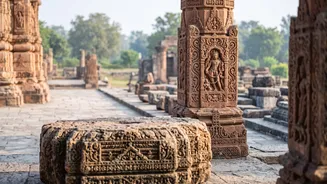
Nestled on the banks of the Mahanadi river, Sirpur, once known as Shripura, was a bustling metropolis and the capital of the Panduvamshi dynasty of Dakshina Kosala (South Kosala) from the 5th to the 8th centuries. This was not just a political centre; it was a thriving hub of art, commerce, and education. Archaeological excavations have revealed a well-planned city with palaces, complex water management systems, and bustling marketplaces. The city's eventual decline around the 12th century, possibly due to catastrophic floods or earthquakes, led to it being buried under layers of earth. This very act of nature, however, helped preserve its magnificent structures for centuries, waiting to be rediscovered.
A Melting Pot of Faiths
What truly makes Sirpur exceptional is its story of religious harmony, etched in stone and brick. In an era often marked by sectarian conflict, Sirpur was a rare beacon of syncretism where different faiths flourished side-by-side. Excavations have unearthed a stunning array of Hindu temples dedicated to both Vishnu and Shiva, standing in close proximity to sprawling Buddhist monasteries (viharas) and evidence of a Jain presence. This peaceful co-existence of Shaivism, Vaishnavism, Buddhism, and Jainism is the site's most powerful narrative. It provides tangible proof of a deeply tolerant and intellectually vibrant society, making it a valuable lesson from the past for the present.
The Architectural Marvels of Sirpur
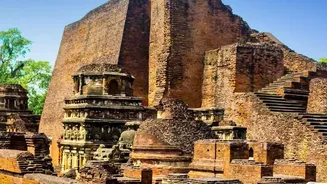
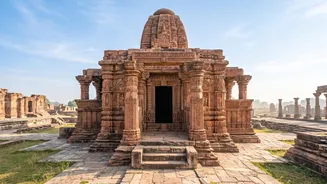
The craftsmanship at Sirpur is nothing short of breathtaking. The star attraction is the Lakshmana Temple, a west-facing temple dedicated to Lord Vishnu. Believed to have been built by Queen Vasata, it is celebrated as one of India’s finest and best-preserved brick temples from that period, adorned with intricate carvings. Beyond this, the site includes the Rama Temple and other smaller shrines. Equally impressive are the vast Buddhist complexes like the Anand Prabhu Kuti Vihar and the Swastik Vihar. These were not simple places of worship but large educational institutions, complete with monks' cells, assembly halls, and stunning statues of the Buddha, revealing Sirpur’s status as a major centre for Buddhist learning.
The Path to World Heritage Status
With Sirpur now on the Tentative List, the real work begins. The Archaeological Survey of India (ASI) and state authorities will need to prepare a comprehensive nomination dossier. This document must meticulously detail the site’s history, outline its 'outstanding universal value', and present a robust plan for its long-term management and protection. This file is then submitted to the UNESCO World Heritage Centre for a rigorous evaluation by advisory bodies like the International Council on Monuments and Sites (ICOMOS). The final decision rests with the World Heritage Committee, which meets annually. The journey is demanding, but the recognition would ensure Sirpur's legacy is preserved for generations to come.