

What Exactly Is Tai Chi?
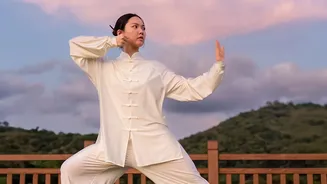
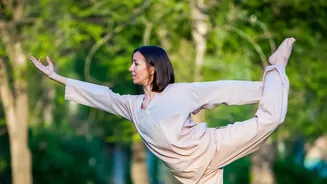
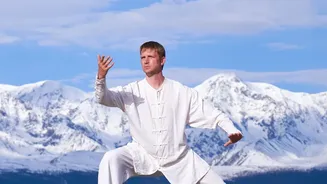
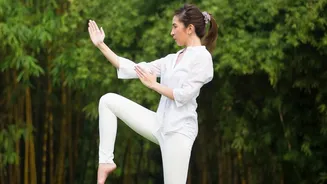
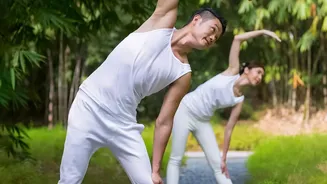
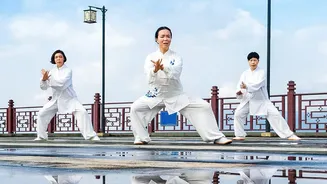
Often described as "meditation in motion," Tai Chi is an ancient Chinese practice that involves a series of slow, graceful movements. Though its roots are in the martial arts, it is now practiced worldwide primarily for its health benefits. The movements are fluid
and interconnected, performed in a slow, focused manner and accompanied by deep, natural breathing. Imagine a slow-motion dance where each posture flows seamlessly into the next. This continuous movement, combined with mental concentration, is what makes Tai Chi a unique mind-body exercise. There are several different styles, but all share core principles of relaxation, structural alignment, and mindfulness.
The Gentle Power of Low-Impact
One of the most significant draws of Tai Chi is its low-impact nature. The exercises are typically performed while standing, with gentle, controlled shifts of weight that avoid jarring the joints. Unlike high-impact activities like running, there is no jumping or stressful force on the knees, hips, and ankles. This makes it an exceptionally safe and accessible option for people of all ages and fitness levels, including older adults or those with joint issues like arthritis. The slow, deliberate motions are designed to be effortless, stretching and rotating muscles and ligaments gently. This not only improves flexibility and balance but does so without putting the body under undue strain.
Finding Calm in the Flow
The headline's claim that Tai Chi can feel calmer is well-supported by both practitioners and scientists. The practice's focus on deep breathing and mindful movement helps activate the body's relaxation response, also known as the parasympathetic nervous system. This can help lower stress hormones like cortisol, reduce blood pressure, and slow the heart rate. Numerous studies have shown that regular Tai Chi practice is associated with significant reductions in stress, anxiety, and symptoms of depression. By requiring full concentration on breath and body, Tai Chi provides a mental workout that interrupts the cycle of stressful thoughts, promoting a feeling of inner peace and emotional stability.
More Than Just a Mood Boost
While the mental calming effects are profound, the benefits don't stop there. Research has consistently linked Tai Chi to a wide range of physical improvements. Because it involves constant weight-shifting and controlled postures, it is particularly effective at improving balance and reducing the risk of falls, especially in older adults. Practitioners often experience enhanced flexibility, coordination, and muscle strength. Some studies even suggest it improves sleep quality, boosts immune function, and enhances cognitive abilities like memory and decision-making. It truly is a holistic practice that nurtures the entire self.
How to Get Started
Getting started with Tai Chi is straightforward. Look for beginner classes at local community centers, senior centers, or parks. Many instructors also offer classes online, which can be a convenient way to try it from home. Wear loose, comfortable clothing and flat-soled shoes. The most important thing is to find a qualified instructor who can guide you through the forms safely and effectively. Don't worry about perfecting the movements right away. The goal is not perfection, but rather the mindful experience of moving your body. Be patient with yourself and focus on how the practice makes you feel. With consistency, you'll likely discover the gentle power and calming influence of this ancient art.