



Why Your Gut Will Thank You
Before we build our plate, let's talk about the 'gut-friendly' aspect. Our digestive system is home to trillions of microorganisms, collectively known as the gut microbiome. Keeping this internal ecosystem balanced is key to good digestion, a strong immune
system, and even our mood. Two types of foods are superstars here: fibre-rich and fermented. Fibre acts as a prebiotic, which is essentially food for the beneficial bacteria in your gut. When these good bacteria are well-fed, they thrive. Fermented foods, on the other hand, are a source of probiotics—the live beneficial bacteria themselves. Adding foods like dahi (yogurt) or traditionally made pickles introduces these helpful microbes directly into your system.
The 20-Gram Protein Goal
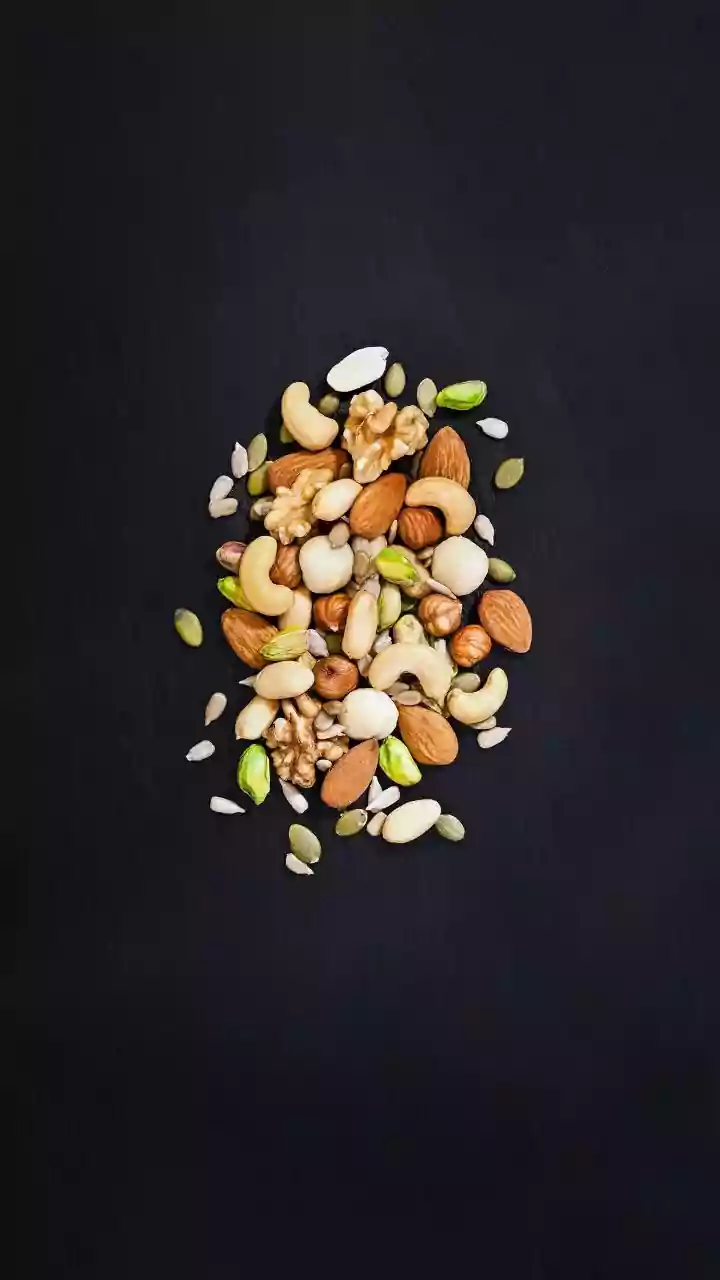
Protein is essential for feeling full and satisfied after a meal, building and repairing tissues, and maintaining muscle mass. While meat is a well-known source, the vegetarian world is packed with powerful protein options. Aiming for around 20 grams of protein at dinner is a fantastic target for a filling meal that supports your body’s needs. This benchmark is not only achievable but also ensures your vegetarian dinner has real staying power, preventing late-night snack cravings. The key is knowing which ingredients to choose and how to combine them effectively.
Your Vegetarian Protein Stars
Hitting that 20g target is simple when you know your sources. Paneer is a top contender, offering a robust 18-20 grams of complete protein per 100g serving. Lentils (dal) are another staple, providing about 18 grams of protein in a cooked cup, along with a healthy dose of fibre. Legumes like chickpeas (chana) and kidney beans (rajma) are also excellent, with around 15 grams per cooked cup. Soya chunks and tofu are other worthy additions; tempeh, which is fermented, provides both protein and gut benefits. Combining these with grains like roti or rice helps create a complete amino acid profile, ensuring your body gets everything it needs.
Fibre-Rich Foundations
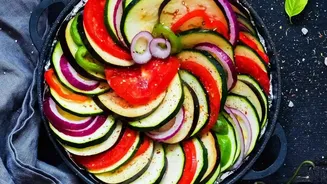
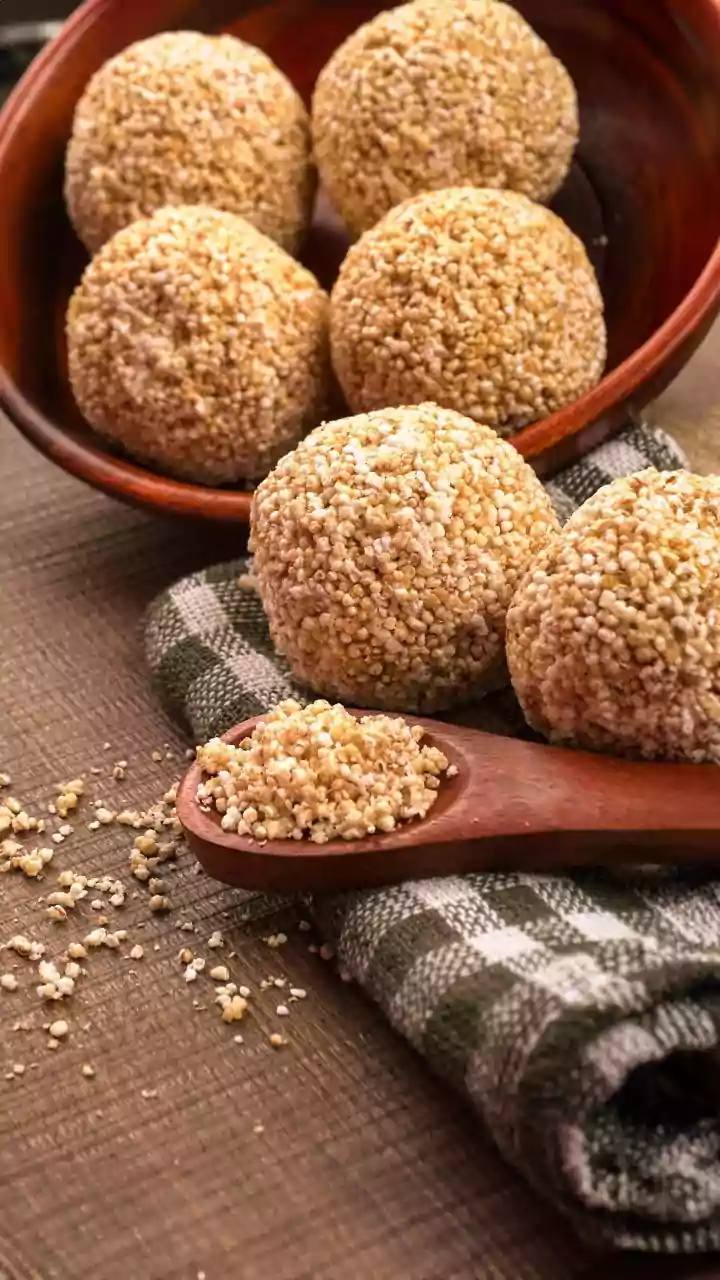
Fibre is the foundation of a gut-healthy meal. It keeps you full and ensures your digestive system runs smoothly. Luckily, Indian cuisine is naturally rich in high-fibre foods. Whole grains like bajra, jowar, ragi, and whole wheat atta for rotis are excellent choices. Vegetables are non-negotiable for fibre. Load your plate with leafy greens like spinach (palak), bottle gourd (lauki), beans, peas, carrots, and broccoli. Even a simple side salad of cucumber, tomato, and onion boosts your fibre intake significantly. These foods feed your good gut bacteria and add bulk to your meal, enhancing satiety.
Putting It All Together: Meal Ideas
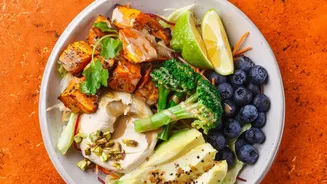
Now, let’s combine these elements into delicious, balanced dinners. Think of it as a simple formula: High-Protein Main + Fibre-Rich Base + Fermented Side. Here are a few examples: 1. Paneer Power Plate: Make a quick Paneer Bhurji with onions, tomatoes, and capsicum (about 100g of paneer for 18-20g protein). Serve it with two multigrain rotis for fibre and a bowl of plain dahi (yogurt) for your probiotics. 2. Classic Chana Masala: A hearty bowl of Chana Masala (using one cup of cooked chickpeas for 15g protein) paired with brown rice provides both protein and fibre. A small serving of homemade fermented pickle on the side adds that probiotic punch. 3. Lentil and Spinach Curry: Cook a thick Palak Dal using a cup of lentils (around 18g protein) and plenty of spinach. Enjoy it with a side of millet, like foxtail millet or bajra, to up the fibre content. A glass of buttermilk (chaas) can serve as your fermented element.