
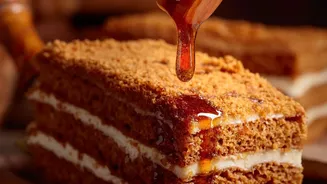
The Soul of Wild Honey
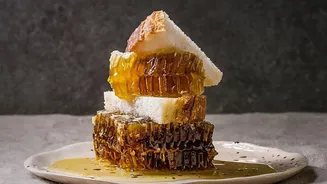
Forget the uniform sweetness of the squeezy bear. The wild honey that chefs are reaching for is a world away from its mass-produced counterpart. This honey is a liquid snapshot of a specific place and time—a concept known as 'terroir'. Depending on where
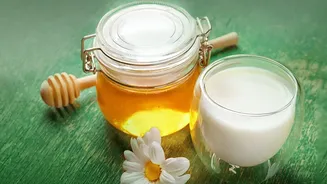
bees forage, wild honey can have a symphony of notes: earthy, woody, fruity, or intensely floral. Unlike commercial honey, which is often pasteurized and filtered to create consistency, wild honey is typically raw and unprocessed. This minimal handling preserves its unique pollen, enzymes, and a more complex and varied flavor profile that can change from one season to the next. It's this very unpredictability and depth that makes it an exciting, story-rich ingredient for a pastry chef looking to create something truly unique.
Chamomile’s Calming Complexity
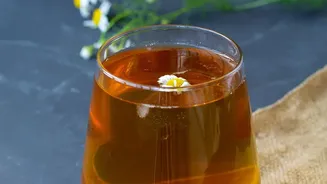
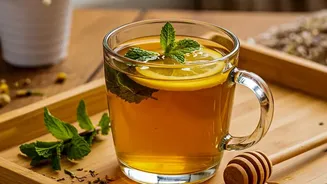
Chamomile is most famous as a soothing bedtime beverage, but its flavor is far from one-dimensional. The flower carries gentle, honeyed notes with a distinct apple-like quality and a subtle, hay-like earthiness. When used in pastry, it offers more than just its calming reputation; it provides a delicate aromatic layer that can balance richness and add a sophisticated floral dimension. Chefs often infuse chamomile directly into cream, milk, or butter, which captures its essence without introducing a bitter or overly 'herbal' taste. This technique allows the chamomile’s soothing, sweet aroma to perfume everything from light panna cotta to rich cake batters, transforming them into more nuanced and memorable creations.
A Match Made in Nature
So why do these two ingredients work so beautifully together? It's a natural partnership of complementary and contrasting notes. The inherent sweetness and viscosity of honey provide a perfect counterbalance to the light, almost ethereal, and sometimes slightly bitter notes of chamomile. Both share a floral DNA, which means their aromas harmonize rather than compete. A recipe for chamomile madeleines, for instance, might use honey not just for sweetness but to add a 'warm, rounded finish' to the cake's gentle floral notes. Similarly, in a panna cotta, the honey's deep sweetness is cut by the chamomile-infused cream, resulting in a dessert that feels both rich and refreshing. This pairing speaks to a larger trend in the pastry world: a move away from overpowering sweetness and toward complex, layered flavors drawn directly from nature.
The Bigger Picture: A Return to the Wild
The rise of the honey-chamomile pairing is part of a broader culinary philosophy. More and more, chefs are looking to their immediate environment for inspiration, using foraged ingredients, herbs, and edible flowers to ground their desserts in a sense of place. This approach moves beyond simply adding a flower for garnish; it's about building a dish around the essence of an ingredient. Pastry chefs are using everything from fig leaves to hibiscus to create novel flavors and textures, driven by a desire for authenticity and sustainability. In this context, pairing wild honey with chamomile isn't just a trend; it's a reflection of a deeper respect for natural ingredients and their ability to tell a compelling story on the palate.
Tasting the Trend
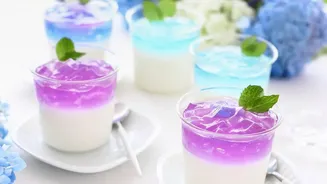
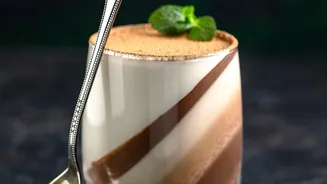
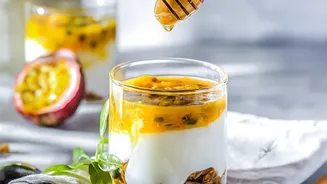
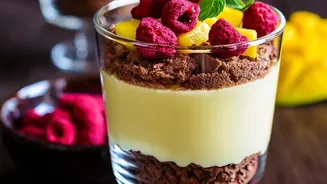
This pairing manifests in a variety of elegant and comforting desserts. Imagine a chamomile-infused panna cotta sweetened only with a drizzle of dark, wild honey. Or delicate cookies where finely ground chamomile flowers in the dough are complemented by honey's floral sweetness. You might also find it in a chamomile honey cake, where the floral and earthy qualities of the ingredients create a treat that feels both decadent and wholesome. Other applications include light and refreshing sorbets, where chamomile tea is mixed with honey and lemon, or simply as a chamomile-infused honey to drizzle over yogurt or ice cream. Each dessert highlights a different facet of the combination, from its soothing aroma to its rich, layered taste.