






The Fabric of Freedom
The story begins over a century ago. British colonial policies systematically dismantled India's thriving textile industry, turning the nation from a global exporter of fine fabrics into an importer of cheap, machine-made British cloth. This economic
subjugation sparked the Swadeshi movement, which began in 1905. It was a call for self-reliance, urging Indians to boycott foreign goods and embrace local products. At the heart of this movement was khadi, a simple hand-spun and hand-woven cloth. Championed by Mahatma Gandhi, the charkha (spinning wheel) and khadi became powerful symbols of non-violent resistance, economic independence, and national pride. Wearing khadi was not just a personal choice; it was a political statement, a tangible connection to the struggle for freedom and an embodiment of self-sufficiency.
An Industry's Struggle for Survival
After independence, the handloom sector, which had been a powerful political and economic force, faced new challenges. The rise of industrial power looms and the allure of mass-produced textiles pushed handwoven fabrics to the margins. Weavers, who are the custodians of ancient skills passed down through generations, found themselves in a precarious position, struggling to compete in a market dominated by speed and volume. Though the sector remained the country's second-largest employer after agriculture, providing livelihoods for millions, especially in rural areas, it fought for recognition and economic viability. Government initiatives and the efforts of cultural preservationists worked to keep the looms active, but the golden age of handlooms seemed a distant memory.
A Modern-Day Renaissance
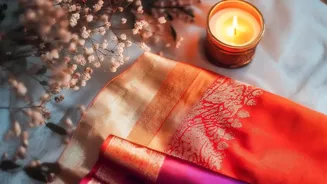
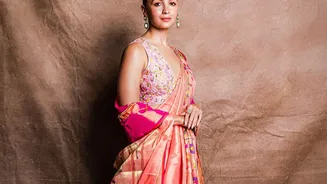
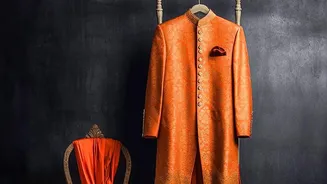
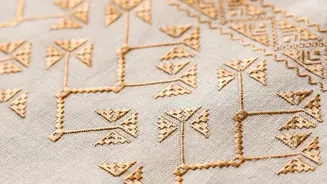
Today, the rhythmic clatter of the handloom is growing louder again. A significant craft revival is underway, driven not by political protest, but by a new set of values. A growing number of consumers, both in India and globally, are seeking out authentic, sustainable, and ethically made products. They are drawn to the unique beauty of handcrafted textiles and the stories behind them. This revival is championed by a new generation of designers who are blending traditional techniques with contemporary aesthetics, making handlooms relevant for modern wardrobes and homes. Social media and e-commerce platforms have also played a crucial role, bridging the gap between rural artisans and urban consumers and giving weavers direct access to new markets. According to the 4th All India Handloom Census, the sector engages over 3.5 million workers, more than 72% of whom are women.
Weaving the Past into the Future
This contemporary movement, while focused on style and sustainability, strongly echoes the principles of the Swadeshi era. The emphasis on supporting local artisans mirrors the earlier call for economic self-sufficiency. Choosing a handwoven fabric today is a vote for empowering rural communities and preserving a vital part of India's cultural heritage. Government support through schemes like the National Handloom Development Programme and the promotion of Geographical Indication (GI) tags for regional weaves further strengthens this connection. These initiatives help ensure the authenticity and quality of handloom products, protecting both the weaver and the consumer. The modern revival is proving that handlooms are not relics of the past but a vibrant and sustainable path forward, intertwining economic empowerment with cultural pride, just as they did during the freedom struggle.