



More Than Just an Ornament
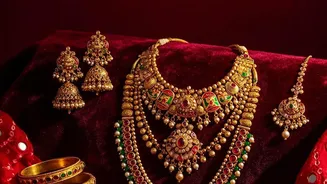
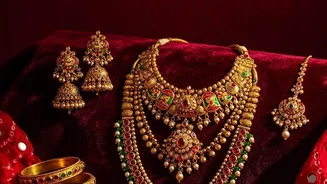
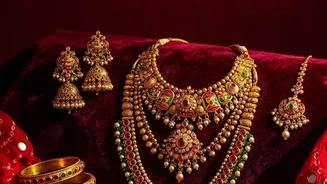
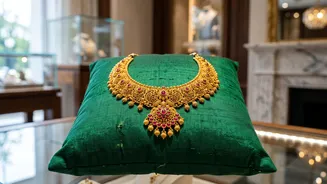
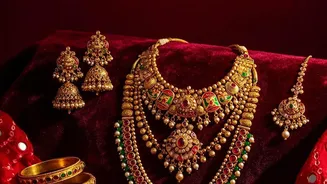
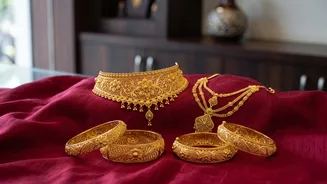
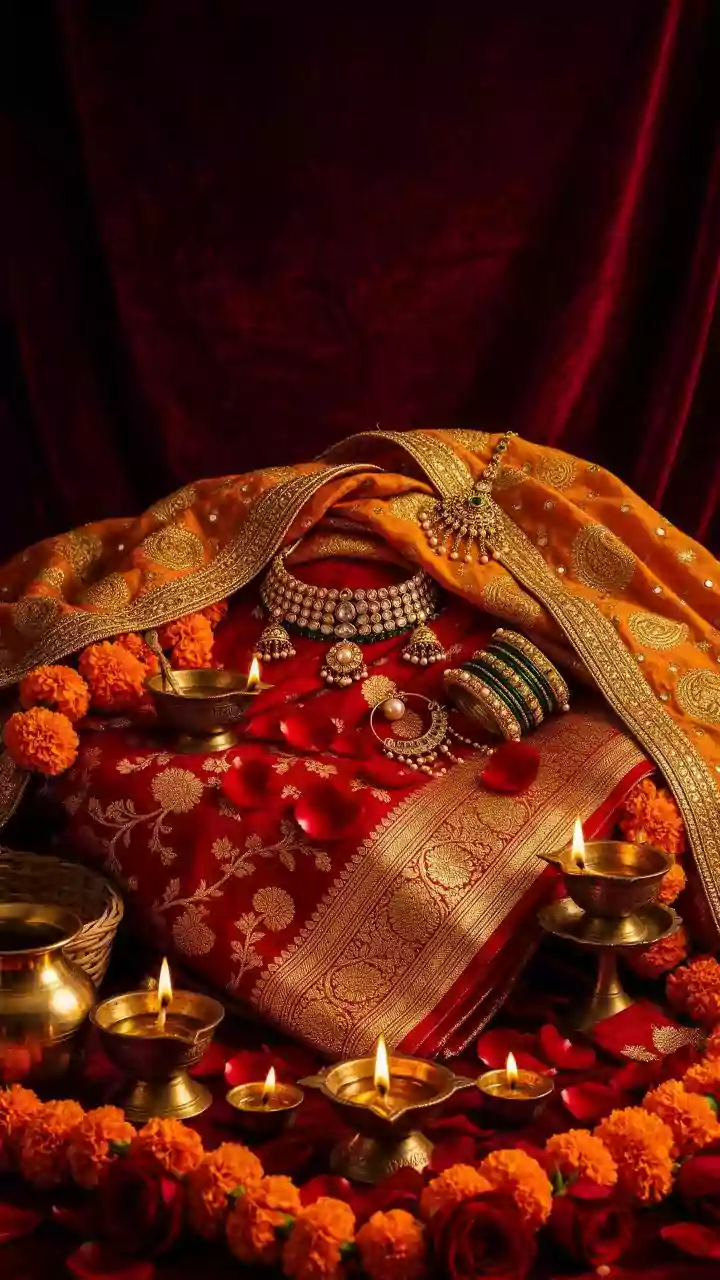
Gold is central to Indian weddings, symbolising prosperity, purity, and the blessings of Goddess Lakshmi for the new couple. It serves as both a sacred element in rituals and a form of financial security for the bride. Passed down through generations,
these pieces are not mere accessories but treasured heirlooms that connect a bride to her family's heritage. This deep cultural and financial significance is why a significant portion of a wedding's budget is often dedicated to gold jewellery, making price changes a critical factor in planning.
Decoding the Daily Gold Rate
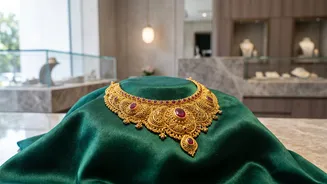
Before you step into a jewellery store, it's essential to understand what you're buying. Gold purity is measured in karats (K). 24K gold is the purest form (99.9% pure) but is too soft for intricate jewellery, making it ideal for coins and bars as an investment. For bridal jewellery, 22K gold is the standard choice in India. It contains 91.6% gold, with the rest being a mix of metals like silver or copper that add durability, a quality often denoted by the number '916'. This blend allows artisans to create detailed designs that can withstand wear while retaining a high gold value. Always check the daily rate for both 22K and 24K gold, as this is the base price before any other charges are added.
What Drives the Price Changes?
Gold prices in India are not set in isolation. They are primarily influenced by the international price, which is denominated in US dollars. Therefore, the USD-INR exchange rate plays a crucial role; a weaker rupee can make gold more expensive in India even if global prices are stable. Other major factors include global economic trends, interest rates set by central banks like the US Federal Reserve, and geopolitical uncertainty, which often drives investors towards gold as a 'safe haven' asset. Locally, government policies like import duties and seasonal demand during festival and wedding seasons also impact the final price you pay.
Understanding the Final Bill
The price tag on a piece of jewellery is more than just the cost of gold. Jewellers add 'making charges', which cover the labour and craftsmanship involved in creating the ornament. These charges can range from 8% to over 25% of the gold's value, depending on whether the piece is machine-made or a complex handcrafted design. It's an area where you can often negotiate. Additionally, a Goods and Services Tax (GST) of 3% is applied to the total value of the gold and the making charges. Always ask for a detailed bill that breaks down each of these costs clearly.
Guarantee of Purity: The BIS Hallmark
To protect consumers from being sold lower-purity gold, the Bureau of Indian Standards (BIS) has made hallmarking mandatory for gold jewellery. A genuine BIS hallmark consists of three marks: the triangular BIS logo, a stamp indicating the purity (e.g., 22K916), and a six-digit alphanumeric Hallmark Unique Identification (HUID) number. This HUID is unique to each piece of jewellery and allows you to verify its authenticity through the 'BIS Care' app, ensuring you get exactly what you paid for. Never purchase wedding jewellery without a valid hallmark.
Smart Buying Strategies for Wedding Shoppers
Timing your purchase can lead to significant savings. Instead of waiting until the last minute, start planning your gold shopping at least three to four months in advance. This gives you time to watch the price trends and buy on dips. Many jewellers offer savings schemes where you can pay in monthly instalments, protecting you from sudden price spikes. During the wedding season rush, negotiating making charges can be effective; don't hesitate to get quotes from multiple reputable jewellers. For heavier, traditional items, established family jewellers might offer better rates, while branded showrooms are a reliable choice for modern designs.